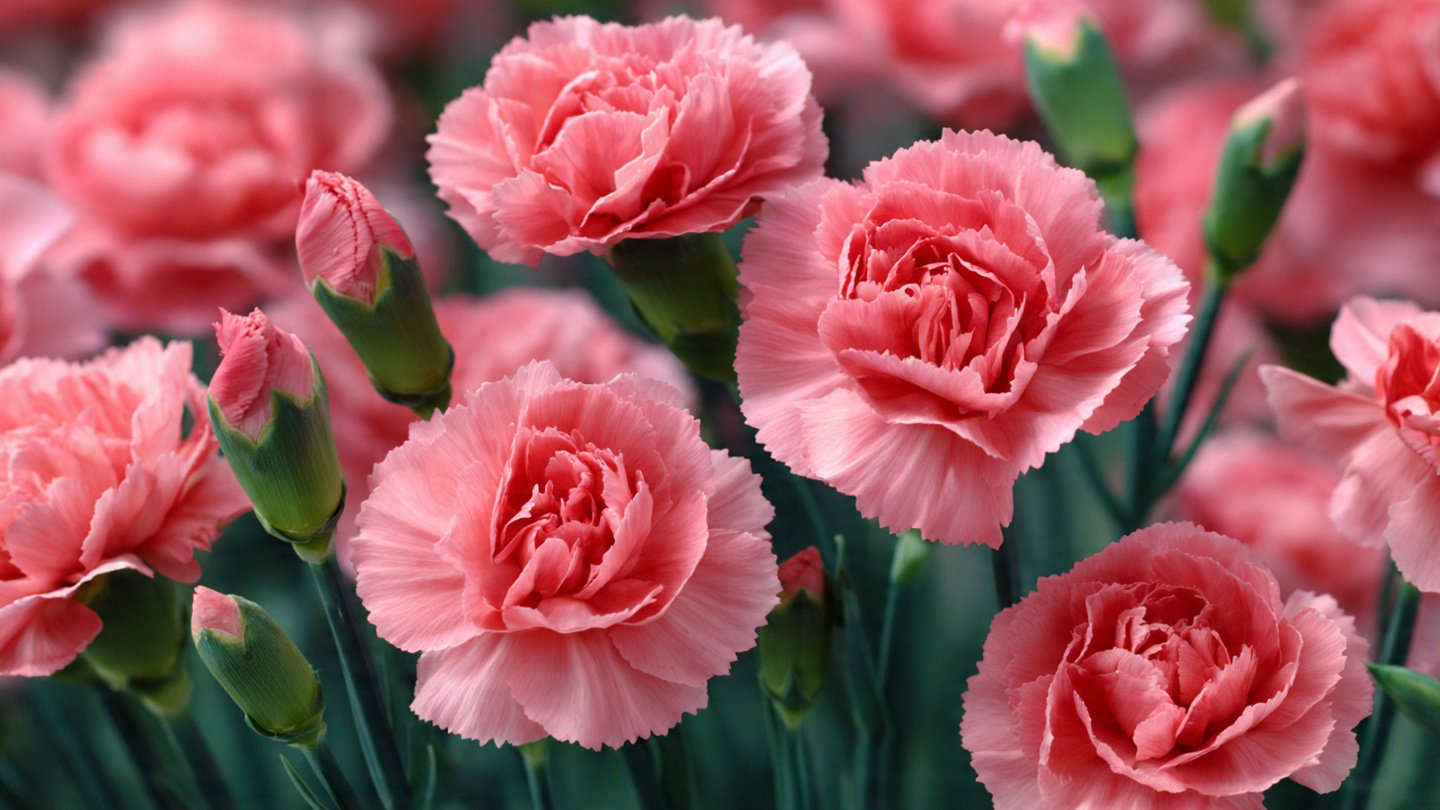
Carnation flowers, scientifically known as Dianthus caryophyllus, are beloved for their frilled petals, pleasant fragrance, and vibrant colors. Often associated with love and fascination, these blooms serve as a favorite choice for gardens, floral arrangements, and special occasions. The good news is that with the right conditions and care, you can grow carnation flowers that bloom continuously throughout the year. This article will guide you through everything you need to know about successfully cultivating these exquisite flowers.
Understanding Carnations
Edible Beauty
Carnations are not just for aesthetic appeal; many varieties are edible. They can add a unique flavor and color to salads and desserts. When growing carnations, ensure they are grown without pesticides if you plan on consuming the flowers.
Types of Carnations
Before diving into care tips, it’s essential to know that there are several types of carnations:
- Standard Carnations: The classic long-stemmed varieties often seen in bouquets.
- Mini Carnations: Smaller blooms, typically more compact and often used in floral arrangements.
- Pinks: Characterized by their fringed edges, these are usually grown as border plants.
Choosing the Right Variety
If you want continuous blooms, select varieties known for longevity and prolific flowering. Some popular options for continuous blooms include:
- ‘Everlast’: Known for its hardiness and continuous flowering.
- ‘Heartbeat’: Produces vibrant colors and can bloom from spring through fall.
- ‘Caryophyllus’: A classic that offers a variety of color options and a pleasant scent.
Soil Requirements
Type of Soil
Carnations thrive in well-draining soil. A pH range of 6.5 to 7.5 is optimal.
- Soilless Mix: A mix containing peat moss, vermiculite, and perlite is ideal.
- Amendments: Add compost or well-rotted manure to improve soil fertility and structure.
Soil Preparation
- Aeration: Ensure that the soil is well-aerated to avoid root rot.
- Drainage: If your soil retains too much water, consider adding sand or gravel for enhanced drainage.
Planting Carnations
Ideal Timing
The best time to plant carnations is in early spring or early fall, depending on your climate.
Spacing and Depth
- Spacing: Place plants 12-18 inches apart to ensure good air circulation and reduce the risk of diseases.
- Depth: Plant at a depth where the top of the root ball is level with the soil surface.
Methods of Planting
- Seeds: Start indoors and transplant after the last frost.
- Cuttings: For faster results, consider starting with cuttings from healthy plants.
Watering Your Carnations
Watering Schedule
Carnations prefer to be on the drier side. Water them thoroughly but allow the soil to dry out between waterings.
- Frequency: Generally, once every week should suffice, but adjust based on rainfall and humidity levels.
Techniques
- Drip Irrigation: This method provides moisture directly to the root zone while preventing excess moisture on foliage.
- Avoid Over-Watering: Monitor soil moisture levels to prevent root rot.
Sunlight Requirements
Light Preferences
Carnations love sunlight! Aim for a location that receives at least 6 hours of direct sunlight daily.
Managing Sunlight Exposure
- Dappled Sunlight: In extremely hot climates, consider partial shade during the hottest part of the day.
- Turn Pot Regularly: If growing in pots, turn them regularly to ensure even sunlight exposure.
Fertilizing Carnations
Types of Fertilizers
Use a balanced fertilizer with an N-P-K ratio of 10-10-10 for optimal growth.
- Organic Options: Manures and compost can enrich the soil naturally.
- Granular vs. Liquid: Granular fertilizers can be applied at planting, while liquid fertilizers can provide a quick nutrient boost during the growing season.
Fertilizer Schedule
- Initial Feeding: Incorporate fertilizer at the time of planting.
- Mid-Season Boost: Reapply every 4-6 weeks during the active growing season for enhanced blooming.
Pruning
Importance of Pruning
Pruning is vital for maintaining a bushy plant and promoting continuous blooms.
How and When to Prune
- Timing: Prune after the first blooming phase and before the growing season strengthens.
- Technique: Use clean, sharp scissors to cut back spent blooms and any leggy growth.
Deadheading
Regularly remove spent flowers (deadheading) to encourage new blooms and prevent the plant from going to seed. This is crucial for continuous flowering.
Managing Pests and Diseases
Common Pests
Carnations can sometimes attract pests such as aphids, spider mites, and thrips.
- Prevention: Keep plants healthy through proper care to minimize pest attraction.
- Treatment: Use insecticidal soap or neem oil for pest control if an infestation occurs.
Common Diseases
- Fungal Diseases: Root rot and powdery mildew can affect carnations.
- Prevention: Ensure proper air circulation and avoid overhead watering to keep foliage dry.
Seasonal Care
Winter Care
In colder climates, protect carnations during the winter months.
- Mulching: Apply a thick layer of mulch to protect roots from frost.
- Container Plants: Bring pots indoors during harsh winters.
Spring Revitalization
As spring arrives, prune back any dead growth and prepare to fertilize and water regularly for a robust blooming season.
Growing Carnations in Containers
Container Selection
Choose pots with drainage holes to prevent overwatering. The size should allow for at least one-year growth.
Soil Mixture
Use a well-draining potting mix, adding perlite or sand to enhance drainage.
Mobility and Sunlight
Containers allow for flexibility; move them to ensure they receive adequate sunlight throughout the year.
Continuous Blooming Techniques
- Pinching: Pinching back the tips of young plants encourages bushy growth and more blooms.
- Succession Planting: Plant a few pots every few weeks to ensure blooms at different times.
- Lighting: Consider using grow lights if growing indoors during winter months to extend daylight.
FAQs
How long do carnations typically bloom?
Carnations can bloom for several weeks, with proper care; they can continually regrow and bloom throughout the year.
Can carnations grow in shade?
While they can tolerate some shade, carnations thrive in full sun, requiring at least six hours of direct sunlight each day.
How do I get my carnations to bloom more frequently?
Regular deadheading, proper watering, and fertilization are key to promoting frequent blooms. Ensuring optimal growing conditions is also essential.
Are carnations perennial or annual?
Carnations can be classified as both depending on the variety. Many types are treated as annuals in colder climates, while some are perennials that can survive multiple growing seasons.
Can I propagate carnations easily?
Yes, carnations can be propagated through seeds or cuttings. Using healthy cuttings provides a faster way to grow new plants.
What’s the best way to prevent pests?
Healthy plants are less prone to pests. Regularly inspect for any signs of infestation and maintain proper cultural practices to minimize their presence.
Conclusion
Growing carnation flowers that bloom continuously throughout the year is an achievable goal with the right knowledge and care. By understanding their needs for sunlight, soil, water, and nutrients, while also knowing how to manage pests and diseases, you can enjoy these beautiful, aromatic blooms in your garden or home all year round. Whether you choose to produce them for personal enjoyment or commercial use, their rich colors and delightful fragrance will surely add life and vibrancy to any space. Happy gardening!