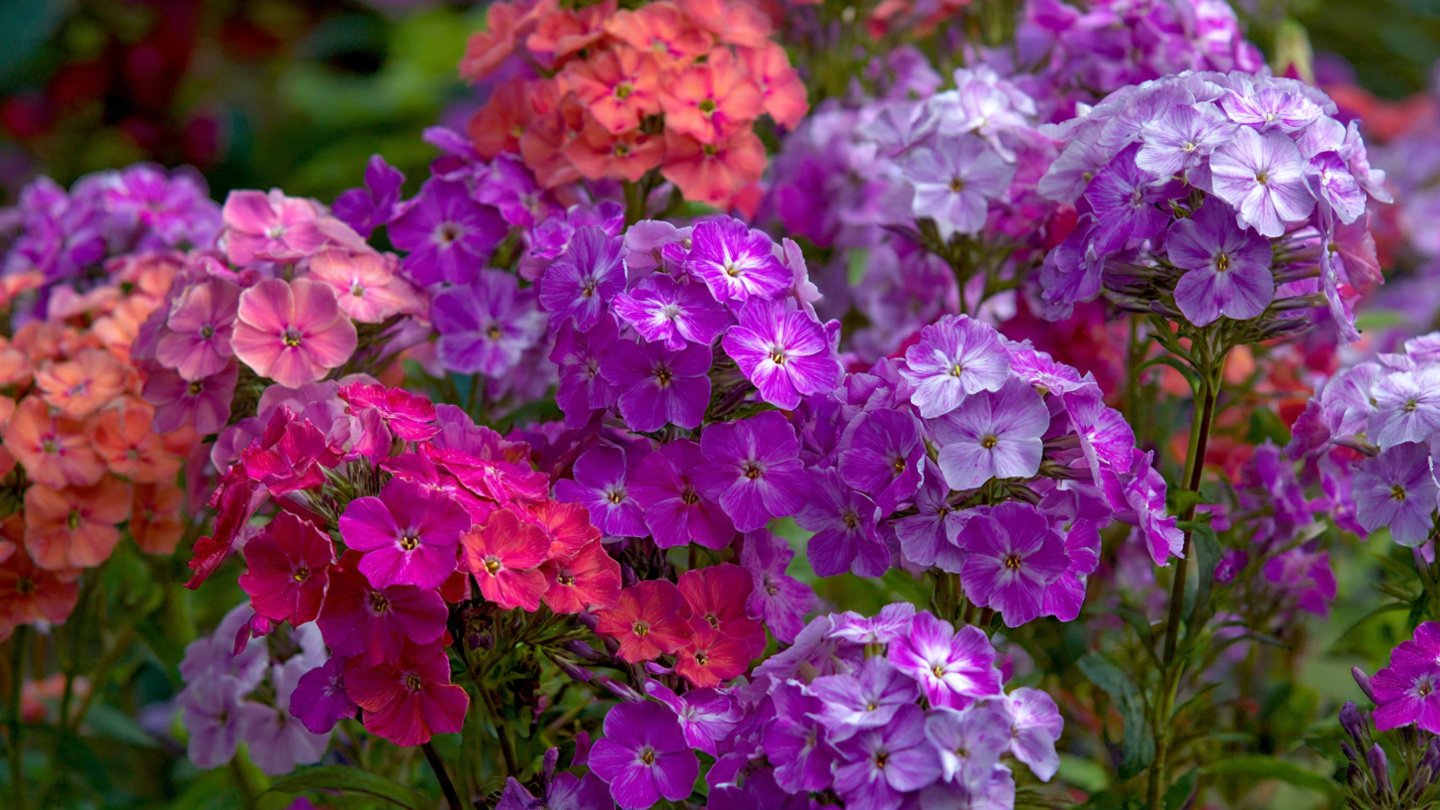
Phlox are a stunning addition to any garden, offering a spectacular show of colorful blooms ranging from soft pastels to vibrant hues. Their beauty, combined with a delightful fragrance, makes them a favorite among gardeners. This article provides an in-depth guide on successfully cultivating vibrant mixed color blooms of phlox, covering everything from selection and planting to care and maintenance.
Understanding Phlox
Phlox belong to the family Polemoniaceae and are indigenous to North America. The most commonly grown varieties are Phlox paniculata (garden phlox) and Phlox subulata (creeping phlox). The unique feature of phlox is their impressive range of colors, including pink, purple, red, white, and blue, making them an excellent choice for mixed plantings.
Types of Phlox
-
Phlox Paniculata: This is the taller variety, reaching heights of up to 4 feet. They are hardy and well-suited for the back of borders or as standalone specimens.
-
Phlox Subulata: Commonly known as moss phlox, this variety is shorter and more spread out, making it perfect for ground cover. They typically reach heights of only 6 to 12 inches.
-
Phlox Divaricata: Also known as woodland phlox, this species thrives in shaded areas and brings a different texture and form to garden beds.
Each type has its characteristics, making it essential to choose the right variety for your specific gardening needs.
Choosing the Right Location
When planning to cultivate phlox, selecting the right location is crucial to ensure that your plants thrive.
Sunlight
Phlox prefer full sun but can tolerate partial shade, especially the woodland varieties. Ideally, they should receive at least 6–8 hours of direct sunlight each day. In hotter climates, some afternoon shade can prevent the plants from getting scorched.
Soil
Phlox thrive in well-draining soil rich in organic matter. A pH of 6.0 to 7.0 is ideal. Before planting, it’s advisable to test your soil, as amendments might be necessary. Adding compost or well-rotted manure can improve soil structure and fertility.
Planting Phlox
When to Plant
The best time to plant phlox is in spring after the last frost date or in early autumn. This timing allows the plants to establish their roots before the harsher weather conditions of winter or summer.
Spacing
When planting phlox, it’s important to consider their mature size. Taller varieties should be spaced about 18–24 inches apart, while creeping phlox can be placed 12–18 inches apart.
Planting Steps
-
Dig the Hole: Prepare a hole that’s twice as wide as the root ball but no deeper than the ball itself.
-
Soil Preparation: Mix the excavated soil with compost or organic fertilizer to provide nutrients.
-
Planting: Gently remove the plant from its container and place it in the hole. Ensure the crown of the plant (where the roots meet the stem) is level with the soil surface. Fill in with soil and pat it down gently.
-
Watering: After planting, give the phlox a deep watering to settle the soil and eliminate air pockets.
Caring for Phlox
Watering
Phlox require consistent moisture, especially during their blooming season. The soil should be kept evenly moist but not soggy. Water deeply once a week, increasing frequency during particularly hot or dry spells.
Fertilizing
Ideally, phlox benefit from a balanced fertilizer applied in early spring as new growth begins. A slow-release fertilizer or compost is an excellent choice. Avoid excessive nitrogen, as this can lead to lush foliage at the expense of flowers.
Deadheading and Pruning
To encourage continuous blooming, regularly deadhead spent flowers. This practice redirects energy to new blooms rather than seed production. In late fall or early spring, cut back old stems to about 6 inches above the ground to promote new growth.
Pest and Disease Management
Phlox can be susceptible to various pests and diseases, including:
-
Powdery Mildew: Common in humid climates, it appears as a white powdery substance on leaves. To manage it, ensure good air circulation and avoid overhead watering. If necessary, fungicides can be used.
-
Aphids: These pests can be managed using insecticidal soap or neem oil.
-
Slugs and Snails: Handpicking, traps, or organic slug bait can help control their population.
Keeping a close eye on your plants and promptly addressing any issues will keep your phlox looking their best.
Creating Mixed Color Blooms
To achieve vibrant mixed color blooms of phlox, consider the following strategies:
Color Selection
Choose varieties that bloom at the same time to ensure a show of color throughout the growing season. Mixing different varieties can help achieve a continuous bloom from spring to late summer.
Companion Planting
Phlox pairs beautifully with other flowering plants. Consider planting alongside:
-
Echinacea (Coneflower): Their upright form and daisy-like appearance complement phlox.
-
Rudbeckia (Black-eyed Susan): Their warm yellows and browns can create a striking contrast.
-
Salvia: The tall, spiky flowers provide height and drama next to bushy phlox.
Designing Flower Beds
When designing a flower bed, consider the height of your phlox. Taller species should be planted at the back, with shorter varieties in the front. Interspersing different colors can create a visually appealing tapestry.
Preparing for Winter
In colder climates, it’s essential to prepare phlox for winter. Once the leaves have died back, cut the plants down to about 6 inches above the ground. Apply a layer of mulch to protect the roots from freezing temperatures.
FAQs
Q1: How do I know if my phlox are not growing well?
A1: Signs of unhealthy phlox include yellowing leaves, stunted growth, or poor blooming. These issues could be due to improper watering, nutrient deficiencies, or pest infestations.
Q2: Can phlox survive in shaded areas?
A2: While phlox thrive in full sun, some varieties, like woodland phlox (Phlox divaricata), can tolerate partial shade. It’s best to check the specific needs based on the variety you choose.
Q3: How often should I prune my phlox?
A3: Deadheading spent flowers encourages additional blooms. In late fall or early spring, trim the plants back to about 6 inches above ground to encourage new growth.
Q4: Are phlox deer resistant?
A4: Generally, deer tend to avoid phlox; however, hungry deer may browse any plant. Applying repellents can help deter them.
Q5: What is the best way to propagate phlox?
A5: Phlox can be propagated by division or from seed. Division is best done in spring or fall when the plant is actively growing.
Q6: Do phlox attract bees and butterflies?
A6: Yes, phlox are known to attract pollinators such as bees and butterflies, making them an excellent choice for a wildlife-friendly garden.
Conclusion
Cultivating vibrant mixed color blooms of phlox can greatly enhance your garden’s beauty and attract beneficial pollinators. By understanding the specific needs of phlox, selecting the right varieties, and providing proper care, you can enjoy a dazzling display of color throughout the growing season. Whether you’re a seasoned gardener or a beginner, incorporating phlox into your gardening repertoire can lead to a rewarding and colorful experience. Happy gardening!