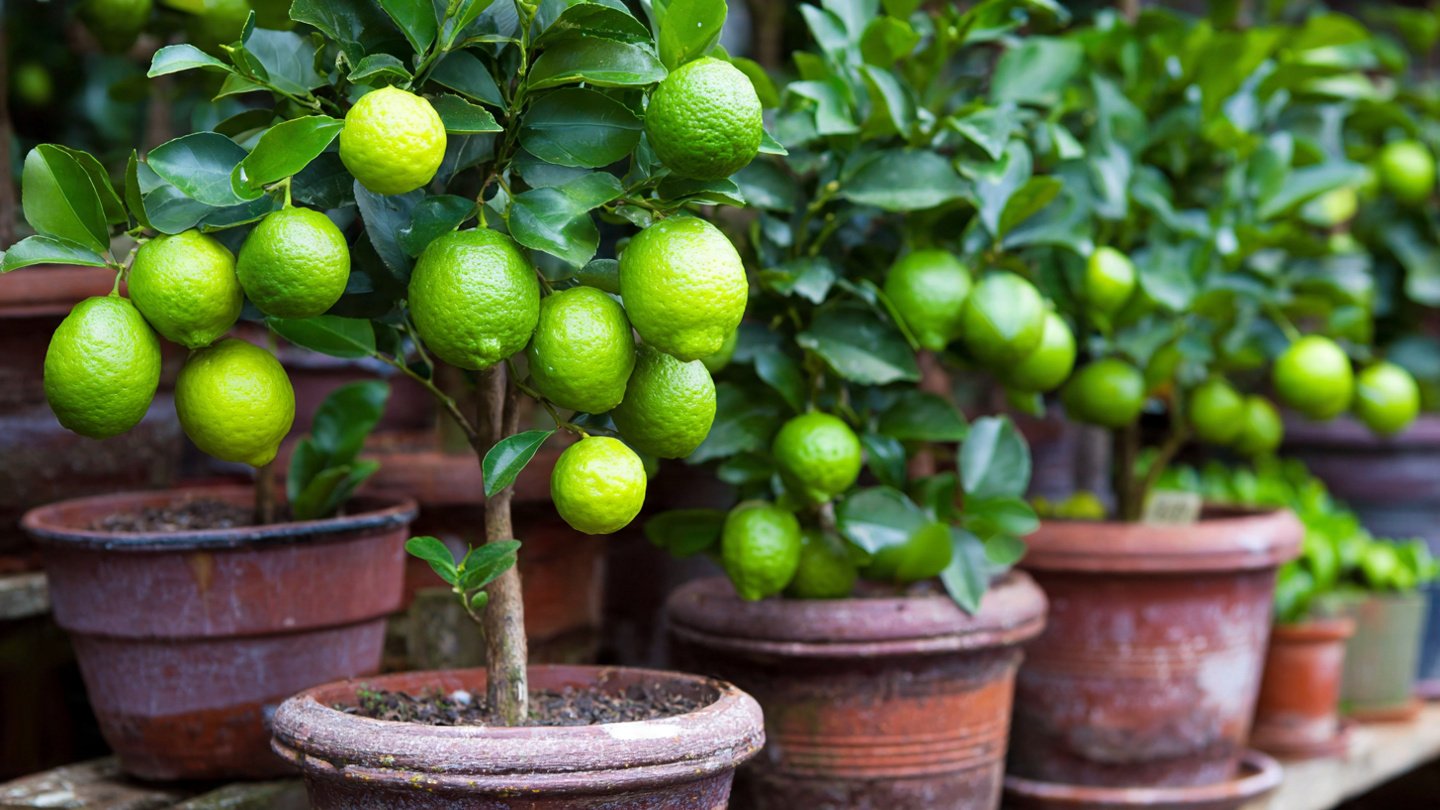
Lime trees (Citrus aurantiifolia) are a popular choice for gardeners, especially those with limited space. Pruning lime trees in pots is crucial for encouraging optimal growth, enhancing fruit production, and maintaining the tree’s shape. This comprehensive guide will cover the various techniques, timing, and practices necessary to prune lime trees effectively.
Understanding Lime Tree Growth
Before delving into the specifics of pruning, it’s essential to understand how lime trees grow. Lime trees typically thrive in warmer climates, preferring well-draining soil and abundant sunlight. In pots, they can grow to about 3 to 6 feet tall, making them manageable for home gardening. Regular pruning helps in controlling their size and fosters healthier, more productive plants.
Benefits of Pruning Lime Trees in Pots
- Encourages Healthy Growth: Regular pruning removes dead or diseased branches, allowing the tree to focus energy on healthy growth.
- Enhances Air Circulation: A well-pruned tree permits better airflow, reducing the likelihood of fungal diseases and pests.
- Improves Light Penetration: Pruning opens the canopy, allowing more light to reach the inner branches and leaves, essential for photosynthesis.
- Increases Fruit Production: By regulating the growth, pruning can lead to a larger yield of limes.
- Maintains Shape: Regular pruning helps maintain the desired shape and prevents the tree from becoming too top-heavy or unbalanced.
When to Prune Lime Trees
Timing is Key
Pruning lime trees at the right time ensures healthy growth and fruit production. The best time to prune lime trees is during their dormant season, which typically falls in late winter to early spring. This timing minimizes stress on the tree and allows for quicker recovery as the weather warms and growth resumes.
Specific Timeframes:
- Late Winter to Early Spring: Ideal for significant pruning and shaping. Post-pollination, any needed light pruning can be done in late summer.
Signs Your Lime Tree Needs Pruning
- Overgrown Habit: If the tree has become too bushy or tall, it’s time to prune.
- Dead or Diseased Branches: Removing these branches not only improves aesthetics but also prevents the spread of diseases.
- Crowded Canopy: If branches are rubbing against one another, it’s essential to prune for better airflow.
- Low Fruit Production: If the tree isn’t producing as many limes as it used to, it may benefit from a good prune.
Tools Required for Pruning Lime Trees
To effectively prune your lime tree, gather the following tools:
- Pruning Shears: Ideal for cutting small branches and twigs.
- Loppers: Useful for thicker branches that are too large for shears.
- Hand Saw: Necessary for cutting larger limbs.
- Gloves: Protect your hands from thorns and the tree’s sap, which can be irritating.
- Disinfectant Solution: Clean your tools before and after pruning to avoid spreading diseases.
Steps to Prune Lime Trees in Pots
Step 1: Assess the Tree’s Structure
Begin by examining the overall structure of the lime tree. Take note of any branches that are dead, diseased, or damaged. Identify the main leader (the dominant stem), the secondary branches, and any competing leaders (multiple stems trying to be the main one).
Step 2: Remove Dead or Diseased Wood
Using your pruning shears, cut away absolutely any dead or diseased branches. Look for branches that are brittle, brown, or have no leaves. Make clean cuts to avoid tearing the bark, which can lead to further disease.
Step 3: Thin Out Crowded Areas
Next, thin out the canopy to ensure that sunlight can reach the inner leaves and that air can circulate. Look for branches that cross over or rub against one another and prune them back. Aim for a balanced structure with a central leader and evenly spaced lateral branches.
Step 4: Cut Back Overgrown Branches
If branches have grown too long or the tree has become too bushy, cut them back to a more manageable size. When making cuts, always angle your snips to leave a bud or lateral branch so that new growth can emerge from that point.
Step 5: Shape the Tree
After removing the excess growth, step back and observe the tree’s overall shape. You may want to prune for form, creating a more aesthetically pleasing structure. A common technique is to shape the tree into a rounded form, which not only looks appealing but also helps with water runoff during rain.
Step 6: Clean Your Tools
Once you’ve completed the pruning, clean your tools again with a disinfectant solution. This step is crucial for preventing the spread of any diseases to other plants.
Post-Pruning Care
Pruning can be stressful for trees, so providing adequate post-pruning care is essential.
Watering
After pruning, ensure that your lime tree is adequately watered. Pruning can lead to a loss of leaves, meaning less surface area for photosynthesis. Providing sufficient water will help the tree recover and encourage new growth.
Fertilizing
Applying a balanced fertilizer post-pruning can promote vigorous regrowth. Look for fertilizers that are high in nitrogen, which supports foliage growth. Follow the manufacturer’s instructions for application rates.
Mulching
Applying a layer of mulch around the base of the tree can retain moisture and suppress weeds. Organic mulch options, such as wood chips or straw, are excellent choices. Just be sure to keep the mulch a few inches away from the trunk to prevent rot.
Common Mistakes to Avoid
- Over-Pruning: While it’s essential to thin out the tree, over-pruning can shock the plant and inhibit growth. Aim to remove no more than 25% of the tree in a single year.
- Pruning During Active Growing Seasons: Avoid pruning during late spring or summer when the tree is actively growing, as this can hinder growth.
- Neglecting to Clean Tools: Not cleaning tools can lead to the spread of diseases. Always disinfect between plants, especially if you notice any signs of infection.
Conclusion
Pruning lime trees in pots is a crucial practice that promotes healthy growth and improves fruit production. By following the timing and techniques outlined above, gardeners can maintain balanced, fruitful trees. Regular pruning, coupled with adequate post-pruning care, ensures that lime trees thrive, offering an abundance of zesty fruits for years to come.
With patience and consistent care, your potted lime tree will flourish, transforming your gardening space and providing delicious limes for culinary and beverage creations. Happy gardening!