Introduction: Why Pruning Is Essential for Grape Vines
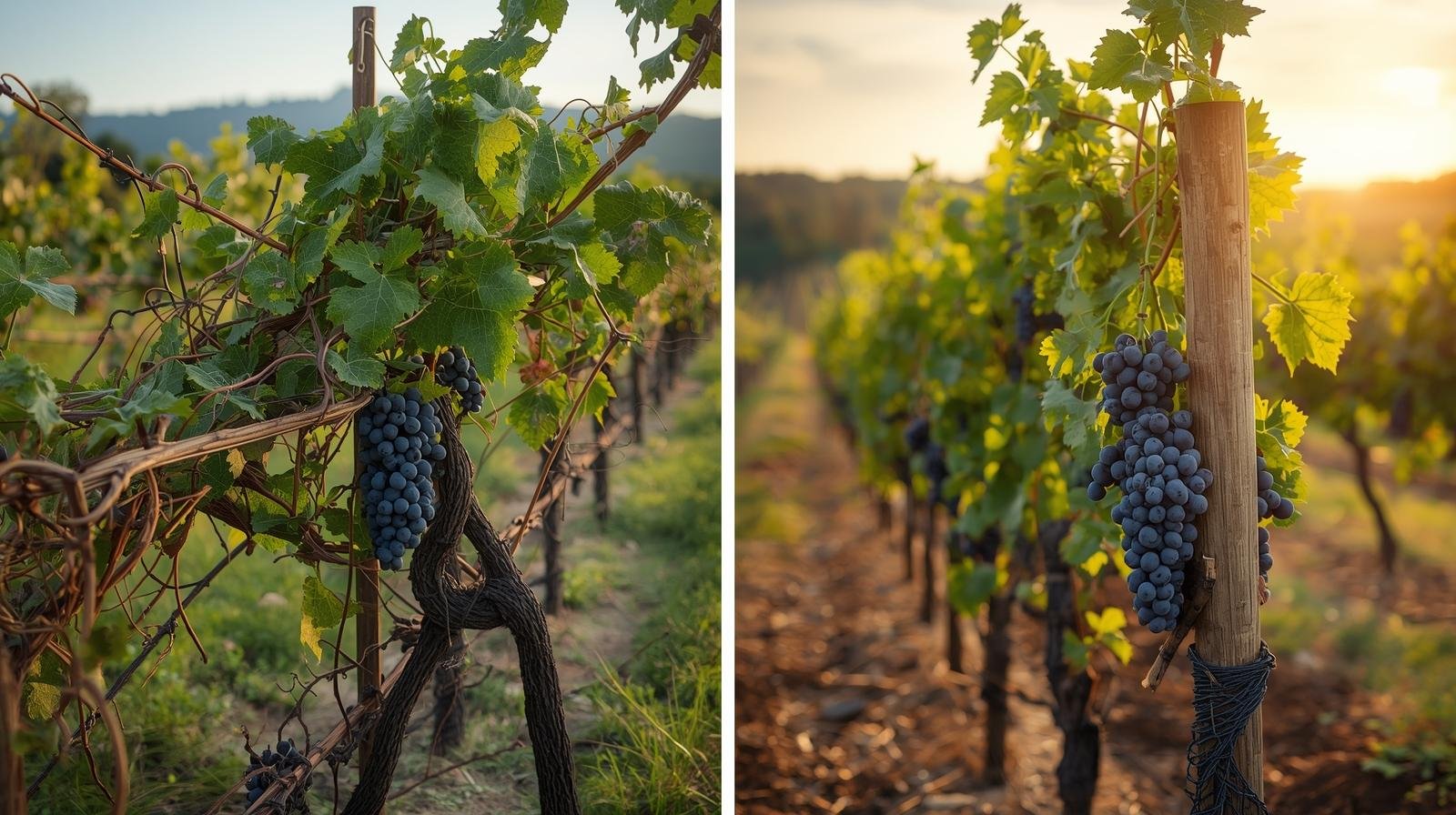
Pruning grape vines is one of the most important tasks for producing high-quality fruit. Without pruning, grape vines grow excessively and produce small, poor-quality grapes. Pruning directs energy toward fruit production rather than excessive foliage. Many beginners fear pruning, but it is essential for healthy vines. Correct pruning improves airflow and sunlight penetration. It also reduces disease risk. Proper technique ensures consistent yields. Learning how to prune correctly transforms grape production.
Understanding Grape Vine Growth Habits
Grape vines grow vigorously each season. Fruit forms on new growth from one-year-old wood. Old wood produces little or no fruit. Understanding this growth habit guides pruning decisions. Leaving too much old wood reduces yields. Pruning encourages productive shoots. Balanced vine structure supports healthy growth. Knowledge of vine anatomy improves results. Growth understanding is the foundation of pruning success.
Best Time of Year to Prune Grape Vines
Timing is critical for effective pruning. Dormant pruning is done in late winter. Pruning too early risks cold damage. Pruning too late causes sap bleeding. Dormant pruning allows clear visibility of vine structure. Summer pruning is minimal and optional. Winter pruning controls growth. Proper timing ensures strong shoots. Seasonal awareness improves fruit quality.
Tools Needed for Proper Grape Pruning
Sharp, clean tools are essential for pruning. Use bypass pruners for small cuts. Loppers handle thicker canes. Disinfect tools to prevent disease. Dull tools damage vines. Proper equipment ensures clean cuts. Comfortable tools reduce strain. Prepared gardeners prune efficiently. Tools play a major role in success.
Identifying Healthy Canes for Pruning
Healthy canes are pencil-thick and flexible. They have smooth bark and visible buds. Weak or damaged canes should be removed. Select canes from the previous season. Healthy buds produce strong fruiting shoots. Identifying quality canes improves yield. Avoid overcrowded areas. Cane selection determines productivity. Careful observation is key.
Understanding Spur Pruning
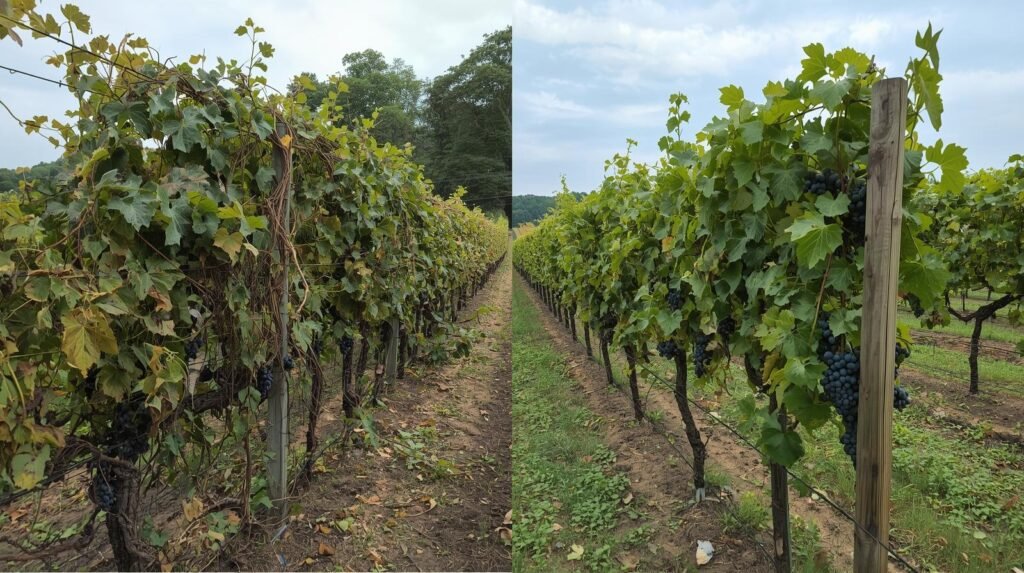
Spur pruning involves cutting canes back to short spurs. Each spur contains a few buds. This method suits certain grape varieties. Spurs are evenly spaced along the vine. Spur pruning controls vine size. It promotes consistent fruiting zones. Proper spacing improves airflow. Spur pruning simplifies maintenance. This method is popular in home gardens.
Understanding Cane Pruning
Cane pruning leaves longer canes with multiple buds. This method suits varieties needing more buds. Old canes are removed entirely. New canes are trained along supports. Cane pruning encourages larger clusters. It requires careful selection. Balanced cane placement improves sunlight exposure. Cane pruning produces high-quality grapes. Technique choice matters.
Step-by-Step Winter Pruning Process
Begin by removing dead wood. Cut away weak or damaged canes. Select primary fruiting canes. Reduce vine to manageable size. Leave appropriate bud numbers. Make clean angled cuts. Avoid leaving stubs. Each step improves structure. Systematic pruning ensures success.
How Much to Prune for Best Results
Many beginners under-prune grape vines. Removing up to ninety percent of growth is normal. Heavy pruning improves fruit quality. Leaving too many buds reduces grape size. Balanced pruning supports vine health. Strong vines tolerate heavy pruning. Yield improves with proper reduction. Confidence is essential. Pruning boldly produces better grapes.
Training Grape Vines After Pruning
Training supports vine structure and productivity. Tie canes securely to trellises. Space shoots evenly for sunlight. Avoid overcrowding. Training improves airflow. Well-trained vines are easier to manage. Structure reduces disease risk. Consistent training enhances yields. Support systems are essential.
Summer Pruning and Shoot Thinning
Summer pruning controls excessive growth. Remove excess shoots early. Thin clusters if necessary. This improves grape size and sweetness. Summer pruning focuses energy on fruit. Avoid heavy summer pruning. Light adjustments are sufficient. Balanced growth supports ripening. Timing matters for best results.
Improving Sunlight Exposure Through Pruning
Sunlight plays a vital role in grape sweetness. Pruning opens the canopy. Better light improves sugar production. Shaded grapes remain sour. Balanced exposure prevents sunburn. Proper canopy management improves color. Sunlight enhances flavor development. Pruning directly affects quality. Light management is essential.
Pruning to Improve Air Circulation
Dense foliage traps moisture. Poor airflow encourages disease. Pruning improves ventilation. Open canopies dry faster. Disease risk decreases significantly. Healthy airflow protects fruit. Structural pruning enhances circulation. Clean vines stay healthier. Air movement supports vine health.
Preventing Diseases Through Proper Pruning
Removing infected wood prevents disease spread. Clean cuts heal faster. Proper spacing reduces fungal growth. Pruning removes hiding places for pests. Sanitation is crucial. Healthy vines resist infections. Disease prevention begins with pruning. Clean practices improve longevity. Pruning protects vineyard health.
Common Pruning Mistakes to Avoid
Leaving too much growth reduces yields. Cutting wrong canes limits fruiting. Using dull tools damages vines. Pruning at wrong time causes stress. Ignoring vine structure creates chaos. Learning mistakes improves results. Practice builds confidence. Avoid shortcuts. Proper pruning requires patience.
How Pruning Affects Grape Size and Sweetness
Pruning directs nutrients to fewer clusters. Fewer clusters grow larger and sweeter. Balanced vines store energy efficiently. Sugar concentration increases with proper pruning. Flavor improves significantly. Vine health improves long-term. Quality outweighs quantity. Pruning enhances taste. Better grapes result from control.
Pruning Young Grape Vines
Young vines require light pruning. Focus on developing structure. Avoid heavy fruiting early. Establish strong trunks first. Early training shapes future growth. Patience ensures longevity. Proper early care pays off. Young vines need guidance. Structure comes before fruit.
Pruning Mature Grape Vines
Mature vines require consistent pruning annually. Remove old wood regularly. Maintain balanced structure. Mature vines handle heavier pruning. Consistency ensures steady yields. Adjust pruning based on vigor. Experienced observation improves results. Mature care sustains productivity. Annual pruning is essential.
Long-Term Benefits of Proper Pruning
Regular pruning improves vine lifespan. Fruit quality improves each season. Disease resistance increases naturally. Vines remain manageable. Harvest becomes easier. Consistent care builds strong vines. Pruning supports sustainability. Long-term benefits are significant. Healthy vines reward effort.
Grape Pruning Summary Table
| Pruning Aspect | Benefit |
|---|---|
| Dormant pruning | Strong fruiting shoots |
| Spur pruning | Controlled growth |
| Cane pruning | Larger grape clusters |
| Summer thinning | Better sweetness |
| Airflow management | Disease prevention |