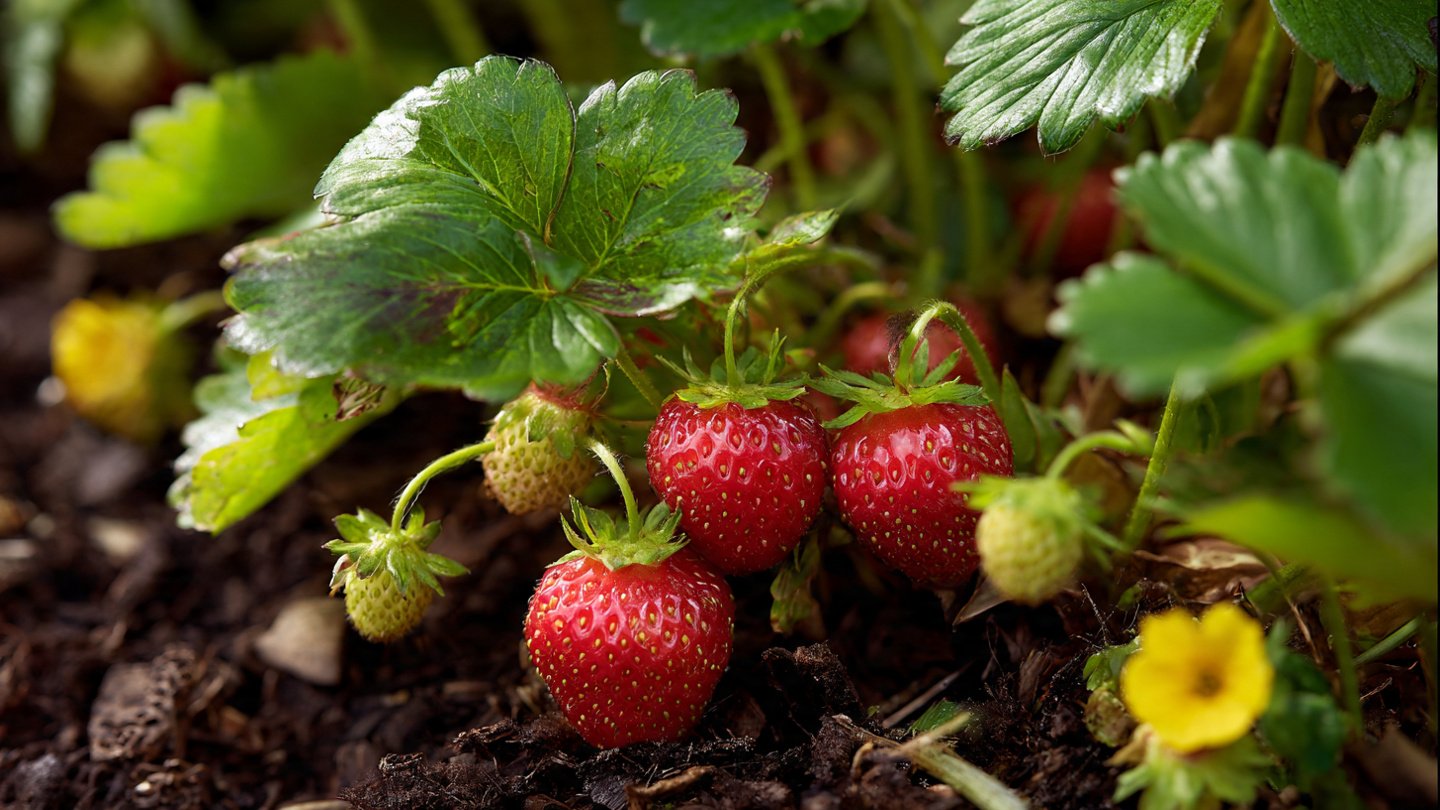
Strawberries are one of the most popular and rewarding fruits to grow in a home garden. Their sweet, juicy berries make them a favorite among gardeners and food enthusiasts alike. One of the most efficient and cost-effective ways to expand your strawberry patch is by propagating strawberry plants from runners. This method harnesses the natural growth habit of strawberry plants and allows gardeners to produce new plants without spending money on seeds or nursery plants. In this comprehensive guide, we’ll explore how to propagate strawberry plants from runners to ensure a thriving and fruitful garden.
Understanding Strawberry Runners
Strawberry plants reproduce in two primary ways: through seeds and runners. While seed propagation is possible, it is less common for home gardeners because it takes longer and may not produce plants identical to the parent. Instead, strawberries most commonly spread via runners, also called stolons.
Runners are long, slender stems that grow horizontally from the main strawberry plant. They extend outward and form small plantlets at nodes along the runner. These plantlets develop their own roots and leaves, eventually becoming independent plants when separated from the mother plant. This natural propagation method makes runners an excellent source for growing new strawberry plants.
Benefits of Propagating Strawberries from Runners
- Cost-Effective: No need to purchase seeds or starter plants.
- Faster Establishment: Runners produce clones of the parent plant, ensuring the same fruit quality.
- Easy to Manage: Requires minimal tools and gardening experience.
- Expands Your Garden: Quickly increases the number of plants, enabling a larger harvest.
When to Propagate Strawberry Plants from Runners
The best time to propagate strawberry runners is during the growing season when the plantlets develop roots and are vigorous enough to survive transplantation. Typically, this is in late spring to early summer. Propagating during this period gives the new plants enough time to establish before the colder months arrive.
Step-by-Step Guide to Propagating Strawberries from Runners
1. Identify Healthy Runners
Start by selecting healthy runners from a robust, disease-free parent plant. Look for runners that have well-formed plantlets with several leaves and beginning roots. Avoid runners that appear weak, yellow, or unhealthy, as they will be less likely to thrive.
2. Prepare Potting Medium or Planting Site
You can root your runners either directly in the garden soil or in pots filled with a quality potting mix. If planting in the garden, choose a sunny location with well-draining soil enriched with organic matter. Prepare the soil by loosening it and removing any weeds.
If starting in pots, use small containers with drainage holes filled with a light, loose potting mix that retains moisture but drains well.
3. Secure the Runner Plantlet
Gently bend the runner to bring the plantlet into contact with the soil. Lightly press the plantlet’s roots into the soil or potting mix. To ensure good contact with the soil, use small U-shaped pins, paper clips, or even toothpicks to anchor the runner plantlet securely.
If using pots, place the pot underneath the plantlet and gently lower it so the roots touch the potting mix. Pin the runner down if necessary.
4. Water and Care for the Rooting Plantlet
Keep the soil consistently moist but not waterlogged. Water daily or as needed, especially if the weather is hot and dry. The plantlet should develop a strong root system within two to three weeks. Avoid disturbing the plant during this time to allow roots to establish.
5. Sever the Runner from the Parent Plant
Once the plantlet has established a healthy root system and shows signs of independent growth (usually after 3 to 4 weeks), it is ready to be separated from the mother plant. Use clean, sharp scissors or garden shears to cut the runner stem between the parent plant and the new plantlet.
6. Transplant the New Strawberry Plant
If the new plant was rooted in pots, transplant it to its permanent garden location. Space the plants about 12 to 18 inches apart to allow for good air circulation and growth. Water thoroughly after transplanting to reduce transplant shock.
If the plantlet rooted directly in the garden, just remove the pin and allow it to grow in place until it matures.
Tips for Successful Strawberry Propagation
- Choose the Right Strawberry Variety: Some varieties produce runners more vigorously than others. Junebearing and everbearing strawberries tend to produce more runners.
- Keep Soil Fertile: Regularly amend garden soil with compost or organic fertilizer to support healthy plant growth.
- Avoid Overwatering: Excess moisture can cause root rot and fungal diseases.
- Control Weeds: Keep the area around new plants free from weeds to reduce competition for nutrients and water.
- Protect from Pests: Watch for common strawberry pests like slugs, aphids, and spider mites. Use organic pest management techniques to keep your plants healthy.
- Rotate Crops: Avoid planting strawberries in the same spot for more than 3-4 years to prevent soil-borne diseases.
Troubleshooting Common Problems
- Runner Plantlets Don’t Root: This can be caused by dry soil, poor soil quality, or damaged runners. Ensure consistent watering and healthy growing conditions.
- Yellowing Leaves: May indicate nutrient deficiency or overwatering. Adjust watering habits and consider fertilizing with a balanced fertilizer.
- Pests and Diseases: Keep an eye out for unusual spots, holes, or mold. Remove affected leaves and treat with appropriate organic or chemical controls.
Conclusion
Propagating strawberry plants from runners is a rewarding and straightforward way to expand your garden and enjoy bountiful harvests year after year. By following the steps outlined above and providing your plants with proper care, you can create a thriving strawberry patch that produces delicious fruit season after season. Whether you’re a beginner or an experienced gardener, this natural propagation method offers an excellent way to multiply your strawberry plants and bring the taste of fresh, homegrown strawberries to your table. Happy gardening!