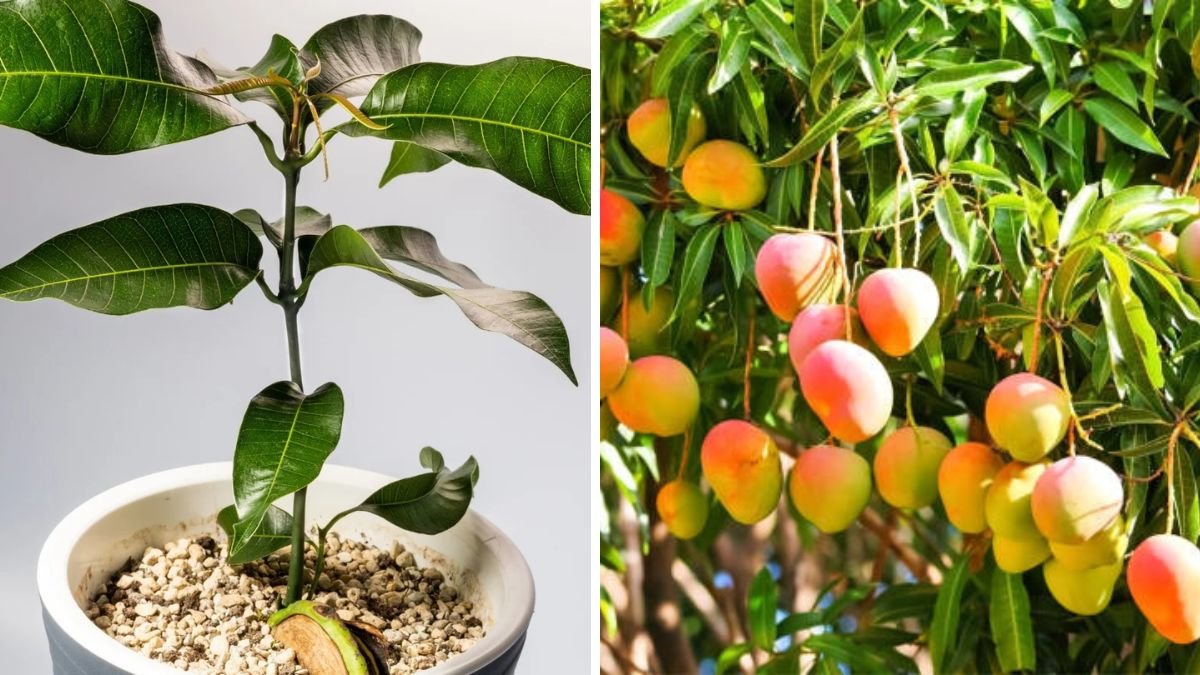
Introduction to Growing Mango Tree for Free
Mango is one of the most loved tropical fruits, and growing a mango tree for free is easier than many people think. Instead of buying expensive saplings, you can use a simple mango seed trick. This method is cost-free and perfect for beginners. Mango seeds are easily available after eating the fruit. With correct handling, they germinate quickly. This guide explains the fast-growing seed method clearly. Home gardeners can save money and enjoy fresh mangoes. Growing from seed also brings satisfaction.
Understanding the Mango Seed Structure
Mango seeds are enclosed inside a hard outer husk. Inside this husk lies the actual seed responsible for germination. Removing the husk speeds up sprouting significantly. The inner seed looks flat and cream colored. Healthy seeds feel firm and fresh. Understanding this structure is important for success. Many failures happen due to planting the whole husk. Knowing the seed anatomy helps fast growth.
Selecting the Best Mango Seed
Always choose seeds from fully ripe and healthy mangoes. Fresh seeds germinate faster than dried ones. Avoid seeds from damaged or rotten fruits. Polyembryonic mango varieties are ideal for home growing. Clean the seed immediately after eating the fruit. Healthy seed selection determines success rate. Freshness is the key factor. Good seeds ensure strong seedlings.
Removing the Mango Seed Husk Safely
Use a knife carefully to open the hard husk. Do not damage the inner seed. The husk opens easily from the edge. Removing the husk reduces germination time drastically. The exposed seed absorbs water faster. This trick is the secret behind fast growth. Handle gently to avoid injury. Proper removal ensures quick sprouting.
Preparing the Seed for Planting
Once removed, soak the inner seed in water for a few hours. This hydrates the seed and activates growth. Do not soak overnight to avoid rotting. After soaking, allow it to dry slightly. Preparation improves germination speed. Avoid chemical treatments. Simple preparation works best. This step boosts success naturally.
Choosing the Right Soil Mix
Mango seedlings prefer loose and well-draining soil. A mix of garden soil, sand, and compost works well. Soil should not be compact. Drainage holes are essential in pots. Rich soil supports early growth. Heavy clay soil slows development. Organic matter improves root health. Good soil ensures fast growth.
Planting the Mango Seed Correctly
Plant the seed flat with the curved side facing up. Do not bury too deep. Cover lightly with soil. Water gently after planting. Avoid pressing soil tightly. Proper orientation supports strong sprouting. Place pot in warm location. Correct planting prevents rot.
Germination Timeline Using the Seed Trick
With husk removed, sprouting begins within one to two weeks. Root growth starts first underground. Shoots appear soon after. Warm temperature speeds germination. Cold conditions delay sprouting. This fast method saves weeks of waiting. Visible growth encourages beginners. Patience still remains important.
Sunlight Requirements After Sprouting
Young mango seedlings need bright indirect sunlight. Direct harsh sunlight may burn leaves. Gradual sunlight exposure strengthens the plant. Morning sunlight is ideal. Lack of light causes weak growth. Balanced exposure supports leaf development. Indoor seedlings should be near windows. Light management is essential.
Watering Schedule for Fast Growth
Keep soil slightly moist at all times. Avoid waterlogging. Overwatering causes root rot. Underwatering slows growth. Water gently to protect roots. Drain excess water properly. Consistent watering supports fast growth. Balance is critical.
Growth Progress in the First Month
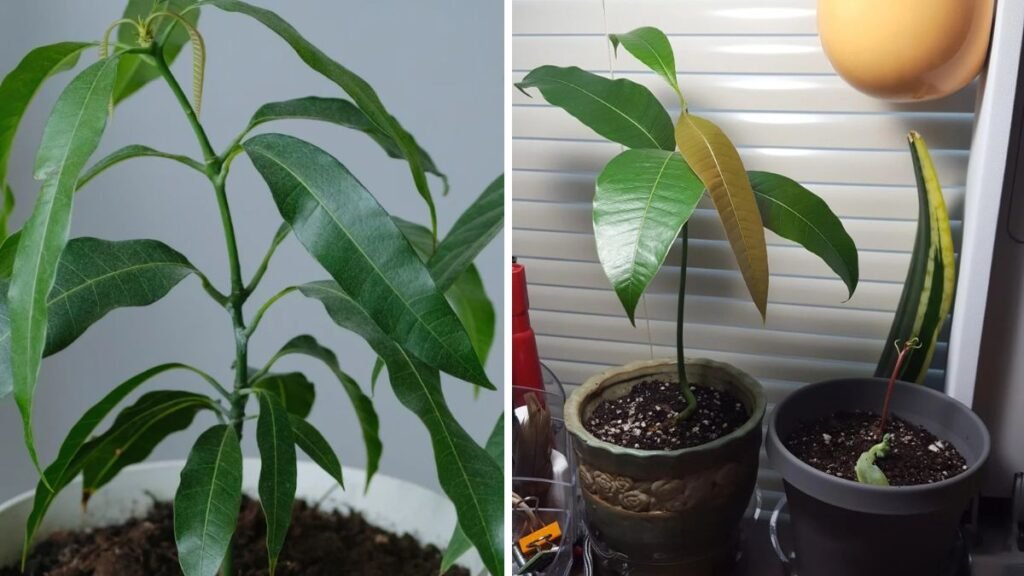
Within one month, leaves become large and green. Stem thickens gradually. Root system expands rapidly. Growth may appear slow above soil but is active below. Avoid fertilizer initially. Let seed nutrients work naturally. Healthy growth establishes foundation. Strong roots ensure future success.
Fertilizing Young Mango Plants
Begin light organic feeding after one month. Compost tea or vermicompost is ideal. Avoid chemical fertilizers early. Excess nutrients damage young roots. Balanced feeding improves leaf growth. Organic nutrition supports soil life. Gradual feeding is best. Patience improves results.
Transplanting to a Bigger Pot
Once roots fill the container, transplant carefully. Choose a deeper pot. Handle roots gently. Use fresh soil mix. Water after transplanting. Avoid disturbing roots too much. Proper transplanting prevents shock. This step supports continued growth.
Common Problems and Solutions
Yellow leaves indicate water imbalance. Slow growth suggests low temperature. Fungal issues occur due to excess moisture. Poor drainage causes root problems. Early correction prevents damage. Healthy plants recover easily. Observation is key. Adjust care promptly.
Temperature and Climate Needs
Mango thrives in warm climates. Ideal temperature supports fast growth. Cold weather slows development. Protect seedlings from cold drafts. Indoor growing works in cooler regions. Stable temperature is important. Warmth promotes root activity. Climate awareness improves success.
Container vs Ground Growing
Containers suit small spaces. Ground planting allows full growth. Container plants need more care. Ground trees grow faster. Choose based on space availability. Both methods work. Management differs slightly. Planning is essential.
Table: Mango Seed Trick Growing Guide
| Step | Requirement |
|---|---|
| Seed type | Fresh ripe mango seed |
| Preparation | Husk removal and soaking |
| Soil | Loose and well-draining |
| Germination time | One to two weeks |
| Early care | Moderate water and light |
Benefits of Growing Mango for Free
No money is required. Gardening skills improve. Homegrown plants are satisfying. Mango trees live many years. Fruits are chemical-free. Sustainable living is promoted. Learning experience is valuable. Nature rewards patience.
Long-Term Expectations
Seed-grown mango trees take years to fruit. Strong roots develop naturally. Growth improves with age. Proper care accelerates maturity. Pruning and feeding become important later. Patience is essential. Long-term care pays off. Commitment brings rewards.
Conclusion
Planting a mango tree for free using the seed trick is simple and effective. Removing the husk speeds up germination dramatically. Proper soil, water, and warmth ensure fast growth. Avoid common mistakes. Be patient and consistent. Growing mango from seed is rewarding. Start your free mango tree today.