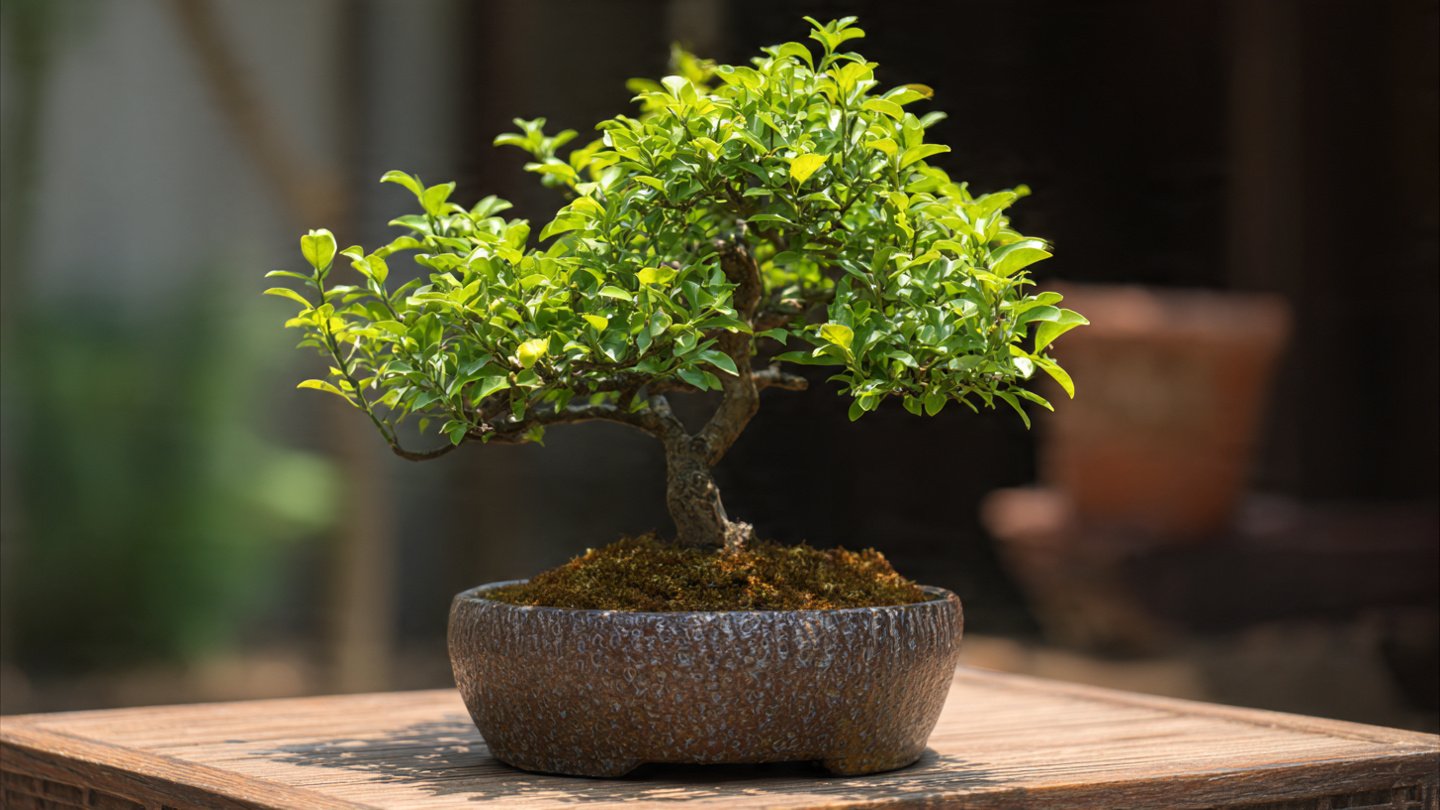
Bonsai is more than just a gardening hobby; it’s an art that encapsulates patience, dedication, and skill. Of all the methods used in bonsai cultivation, the Main Lime Bonsai growing method stands out for its effectiveness in creating beautifully shaped trees. This guide will walk you through the intricacies of mastering this method, ultimately helping you produce flawlessly formed bonsai that are both aesthetically pleasing and healthy.
Understanding Bonsai
Before diving into the Main Lime method, it’s essential to grasp the fundamentals of bonsai cultivation. The term “bonsai” translates to “planted in a container” in Japanese. The goal is to grow miniature versions of trees while maintaining their natural aesthetics. Achieving this requires a blend of horticultural skill and artistic vision.
Bonsai meticulously mimics nature, creating a miniature landscape that conveys the essence of a full-sized tree. The shapes, proportions, and even the characteristics of the leaves need careful attention. Bonsai practitioners train their trees over years, sometimes decades, to reach the desired form.
The Basics of the Main Lime Method
What is the Main Lime Method?
The Main Lime method is a structured approach to bonsai growth that emphasizes stability, form, and aesthetics. Unlike other techniques, it stresses the importance of foundational training in early growth stages and careful maintenance as the tree matures.
Choosing the Right Tree Species
The first step in the Main Lime method is selecting the right species. While this technique can theoretically be applied to various trees, certain species respond better to the method’s principles:
- Ficus: Known for its resilience and adaptability, Ficus trees are an excellent choice for beginners.
- Juniper: With its attractive foliage and flexible branches, Juniper is favored among experienced bonsai artists.
- Maple: Aesthetically pleasing and relatively easy to train, Maples are another good option.
When choosing a species, consider your local climate, since bonsai trees need specific growing conditions to thrive.
Tools and Materials
Before embarking on your bonsai journey, gather the necessary tools and materials:
- Pruning Shears: Essential for shaping and maintaining your tree.
- Wire: Used for training branches; brass or aluminum wire is recommended for flexibility and ease of use.
- Containers: Choose pots that provide sufficient drainage and offer an aesthetically pleasing complement to your bonsai tree.
- Soil Mixtures: A mix that ensures good drainage while retaining enough moisture is vital; check for pre-bonsai soil or create your own mixture.
Step-by-Step Guide to Mastering the Main Lime Method
Step 1: Initial Planting and Preparation
Once you have selected your species and gathered the necessary tools, it’s time for the initial planting.
-
Potting: Start by placing your tree in a suitable container. Ensure it has good drainage holes. Use a bonsai soil mix to allow air to reach the roots while retaining moisture.
-
Watering: Proper watering is crucial. Water your newly potted tree thoroughly, allowing excess water to drain through the holes. Monitor the soil’s moisture levels regularly, as over-watering or under-watering can hinder growth.
-
Light Conditions: Place your bonsai in an area with proper light. Aim for at least 5-6 hours of sunlight daily. If indoors, consider using grow lights to supplement natural light.
Step 2: Shaping and Wiring
Shaping is a critical component of the Main Lime method, where the focus is on creating the desired form of your bonsai.
-
Pruning: During the growing season, regularly prune unwanted branches. This helps direct the energy of the tree into developing your desired shape.
-
Wiring: After pruning, use wire to shape the branches and trunk. Gently wrap the wire around the branches at a slight angle, making sure it’s not too tight, to avoid damaging the bark. Guide the branches into the desired position.
-
Defoliation: In some cases, defoliation — removing leaves — can be beneficial. This can encourage new growth and improve light penetration within the tree.
Step 3: Maintenance and Care
Once your bonsai is shaped, the focus shifts to maintaining its health and form.
-
Watering and Fertilization: Continue to water regularly, and use a balanced fertilizer during the growing season to provide essential nutrients.
-
Repotting: Every two to three years, consider repotting your bonsai. This involves removing some of the old soil and trimming the roots while introducing fresh soil.
-
Pest Management: Regularly check for pests and diseases. Early intervention is critical; use organic pest control methods when possible to preserve the health of your tree.
Step 4: Advanced Techniques
Once you have mastered the basics, consider exploring advanced techniques to further enhance your bonsai.
-
Jin and Shari: Create deadwood features (jin) or exposed wood areas (shari) to increase the visual interest of your bonsai. This technique should be executed with caution and artistic intent.
-
Grafting: For those experienced in bonsai, grafting techniques can combine the characteristics of different tree species, adding a unique touch to your creation.
-
Seasonal Care: The Main Lime method includes considerations for seasonal changes. Once you’ve mastered growing in the warmer months, learn how to protect your tree during winter. Some species may require indoor placement during cold months.
Creating Your Style
As you continue to use the Main Lime method, it’s important to develop your unique style. Observe nature and other bonsai artists to refine your aesthetic.
-
Study: Look at various styles, such as Formal Upright, Informal Upright, Cascade, and others, and see which resonates with you.
-
Experiment: Don’t be afraid to try new techniques or styles. Bonsai is an evolving art form, and each tree is unique.
-
Join a Community: Engaging with local bonsai clubs or online forums can provide inspiration and constructive feedback. Different perspectives can broaden your understanding and quicken your learning curve.
Common Mistakes to Avoid
In your bonsai journey, be mindful of common pitfalls:
- Overwatering: This is one of the most common mistakes. Always check soil moisture before watering.
- Inadequate Light: Ensure your bonsai is receiving sufficient light; many health issues stem from light deprivation.
- Poor Pruning Techniques: Avoid excessive pruning, which can shock the tree.
Conclusion
Mastering the Main Lime Bonsai growing method is an enriching journey that combines patience, creativity, and horticultural science. By following these detailed steps and embracing the principles of bonsai cultivation, you can create perfectly shaped trees that are not only a testament to your skills but also a beautiful addition to your living space.
Bonsai is a lifelong journey; what begins as an artistic experiment can evolve into a profound connection with nature. Remember, each tree you cultivate is a reflection of yourself, so pour your heart into the art of bonsai and enjoy the process of growing and shaping your living masterpiece.