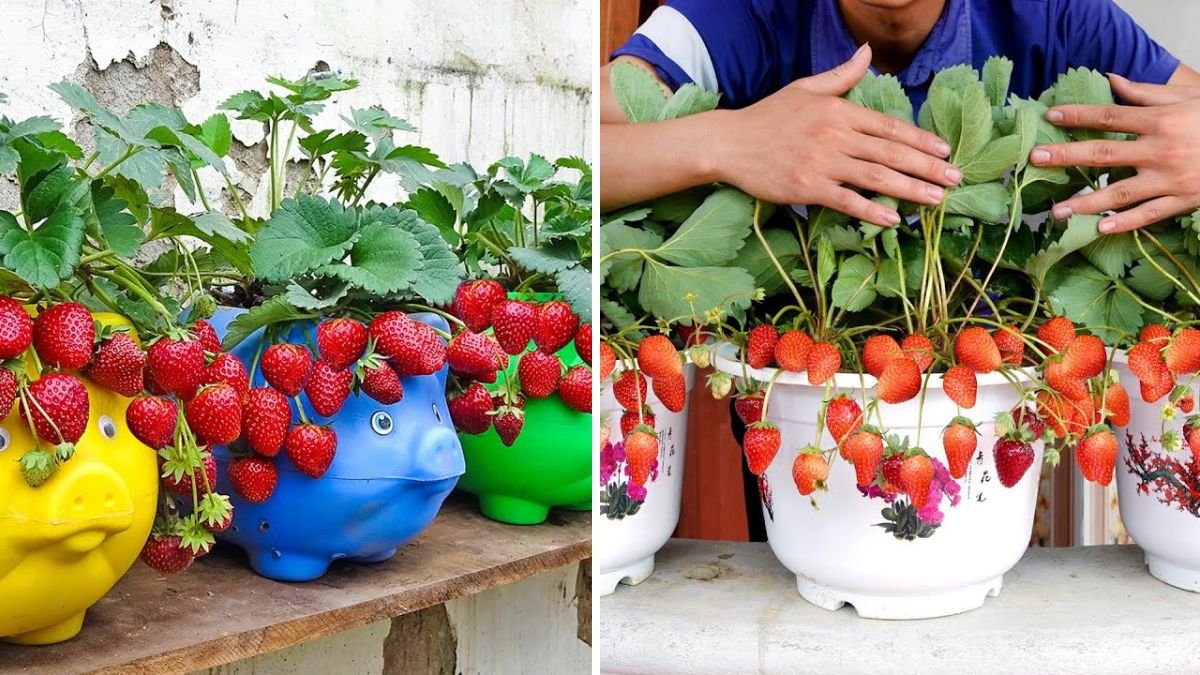
Strawberries are one of the most popular fruits worldwide. Sweet, juicy, and packed with nutrients, they are a delight to eat fresh, in desserts, or even as jams and smoothies. But what if you could grow strawberries right at home, even if you don’t have a big garden? Whether on your balcony, windowsill, or in small containers, growing strawberries is easier than most people think.
In this guide, we’ll walk you through everything you need to know about growing strawberries on your own, from selecting the right varieties to harvesting plump, juicy berries that will amaze your friends and family.
🌱 Why Grow Strawberries at Home?
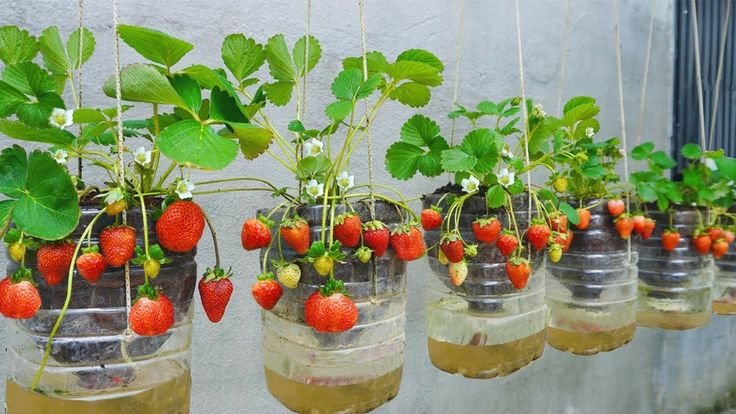
Growing strawberries at home has many benefits:
- Freshness: Nothing beats the taste of strawberries picked straight from the plant.
- Health: Homegrown strawberries are free from harmful chemicals or pesticides.
- Cost-effective: Growing your own reduces the need to buy expensive berries from the store.
- Fun and Therapeutic: Gardening reduces stress and gives a sense of accomplishment.
- Space-Saving: Strawberries are perfect for small spaces, vertical gardens, or containers.
Whether you have a large garden or just a small balcony, strawberries can thrive with the right care.
🍓 Choosing the Right Strawberry Variety
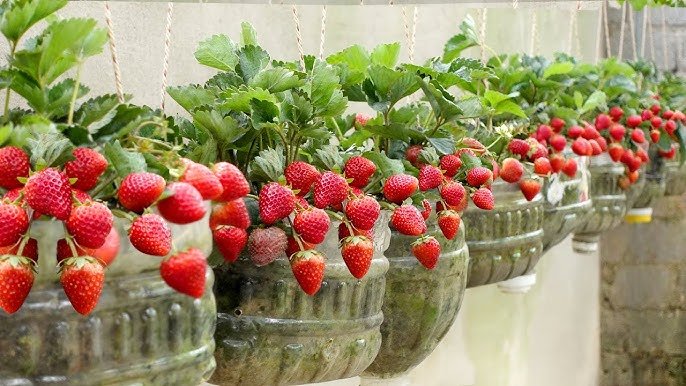
Before planting, it’s essential to pick the right variety. Strawberries are generally classified into three types:
- June-bearing Strawberries:
- Produce a single, large crop per year, usually in late spring or early summer.
- Ideal for gardeners looking for a bountiful harvest all at once.
- Everbearing Strawberries:
- Produce two to three harvests per year, usually in spring, summer, and fall.
- Perfect for those who want strawberries throughout the season.
- Day-neutral Strawberries:
- Produce fruit continuously, as long as temperatures stay between 35–85°F (2–29°C).
- Excellent for small-space gardens and container growing.
Choose a variety based on your climate, space, and desired harvest schedule.
🌿 Where and How to Grow Strawberries
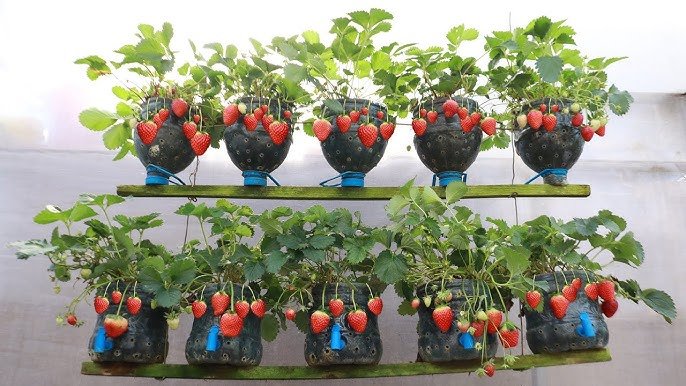
Strawberries can grow in:
- Garden beds: Ideal for those with backyard space.
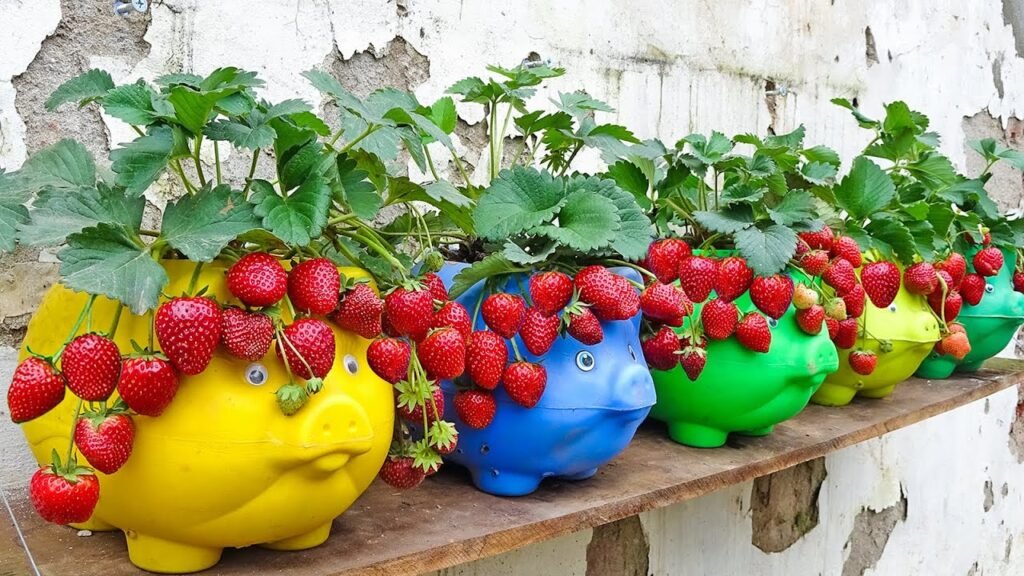
- Containers: Perfect for patios, balconies, or windowsills.
- Hanging baskets: Great for vertical gardens and decorative purposes.
- Vertical towers or planters: Maximize limited space while still producing many berries.
1. Selecting Containers
If growing in pots or containers:
- Choose pots at least 6–8 inches deep for root development.
- Ensure the container has drainage holes to prevent waterlogging.
- Use trays underneath to catch excess water if indoors.
2. Soil Preparation
Strawberries thrive in well-drained, fertile soil:
- Mix garden soil with compost to enrich nutrients.
- Soil pH should be slightly acidic (5.5–6.5).
- Avoid waterlogged soil as it can cause root rot.
For containers, use high-quality potting mix enriched with organic compost.
💧 Planting Strawberries
1. Timing
- The best time to plant strawberries is early spring or late winter, depending on your region.
- Avoid planting during extreme heat or frost periods.
2. Planting Method
- Dig a hole large enough for the root ball.
- Place the strawberry plant so that the crown (where leaves meet roots) is at soil level.
- Spread roots gently and cover with soil.
- Water immediately to help settle the plant.
Space plants 12–18 inches apart for garden beds and 8–12 inches apart in containers.
🌞 Sunlight Requirements
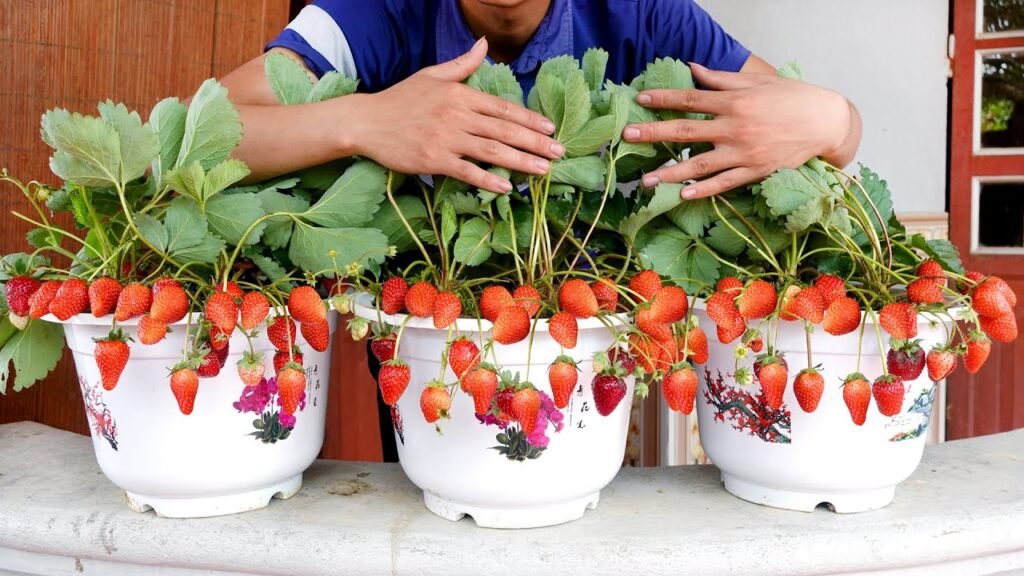
Strawberries need 6–8 hours of direct sunlight per day for optimal growth and fruiting.
- For indoor or balcony growing, place containers in sunny spots.
- If sunlight is limited, consider LED grow lights to supplement natural light.
Sunlight ensures sweet, juicy strawberries with vibrant color.
💧 Watering Strawberries
- Keep soil consistently moist but not waterlogged.
- Water early in the morning to reduce fungal diseases.
- Mulch around the base with straw or coconut husk to retain moisture and reduce weeds.
Strawberries are shallow-rooted, so regular watering is crucial, especially during fruiting.
🌱 Fertilizing Strawberries
Healthy plants need proper nutrients:
- Use a balanced fertilizer (10:10:10 NPK) every 4–6 weeks.
- Organic options like compost, worm castings, or fish emulsion work well.
- Avoid over-fertilizing, which can lead to leafy growth at the expense of fruit production.
Fertilize during early growth, after flowering, and again during fruiting for best results.
🐛 Pest and Disease Management
Common issues in strawberry plants include:
- Aphids and Spider Mites: Spray with neem oil or insecticidal soap.
- Slugs and Snails: Use traps or barriers to protect plants.
- Fungal Diseases: Ensure proper spacing and avoid overwatering. Remove infected leaves.
- Birds: Use netting or covers to protect ripening berries.
Regular monitoring keeps plants healthy and ensures maximum yield.
🌸 Flowering and Fruiting
- Strawberry flowers are small and white, and they develop into fruit after pollination.
- Encourage pollination by letting bees visit your plants or hand-pollinating with a soft brush.
- Fruits ripen about 4–6 weeks after flowering, depending on variety and climate.
For continuous harvest, choose everbearing or day-neutral varieties.
🍓 Harvesting Strawberries
- Harvest when berries are fully red, firm, and glossy.
- Twist or cut the berry with a small section of the stem to avoid damaging the plant.
- Pick daily during peak season for best flavor and to encourage more fruiting.
Proper harvesting ensures juicy, sweet strawberries that last longer after picking.
🥗 Using Your Homegrown Strawberries
- Eat fresh as a snack.
- Make smoothies, jams, or desserts.
- Add to salads, cereals, or yogurt bowls.
- Freeze excess fruit for later use.
Homegrown strawberries are free from pesticides and richer in flavor than store-bought options.
🌟 Tips for Maximum Strawberry Yield
- Choose healthy, disease-free plants.
- Provide adequate sunlight and water consistently.
- Fertilize appropriately using organic or balanced fertilizers.
- Mulch to retain moisture and reduce weeds.
- Remove runners selectively to focus energy on fruit production.
- Protect from pests and birds for maximum yield.
Following these tips can give you delicious, plump strawberries all season.
🌎 Where You Can Grow Strawberries
- Balconies or rooftops: Containers or vertical planters.
- Small patios: Hanging baskets or small garden beds.
- Indoor windowsills: Using pots and supplemental lighting.
- Backyard gardens: Traditional soil beds for larger harvests.
Even with limited space, strawberries can thrive if given the right care and environment.
🍓 Final Thoughts: How to Grow Strawberries on Your Own
Growing strawberries at home is rewarding, fun, and surprisingly easy. With the right variety, proper sunlight, watering, and care, even beginners can enjoy a bountiful harvest of sweet, juicy berries.
Whether you have a balcony, garden, or small windowsill, strawberries are perfect for small-space gardening and bring a touch of tropical delight to your home. By following this complete guide, you’ll soon have beautiful, healthy plants producing delicious strawberries that you and your family can enjoy all season long.
So grab some containers, choose your favorite strawberry variety, and start growing your own juicy, homegrown berries today!