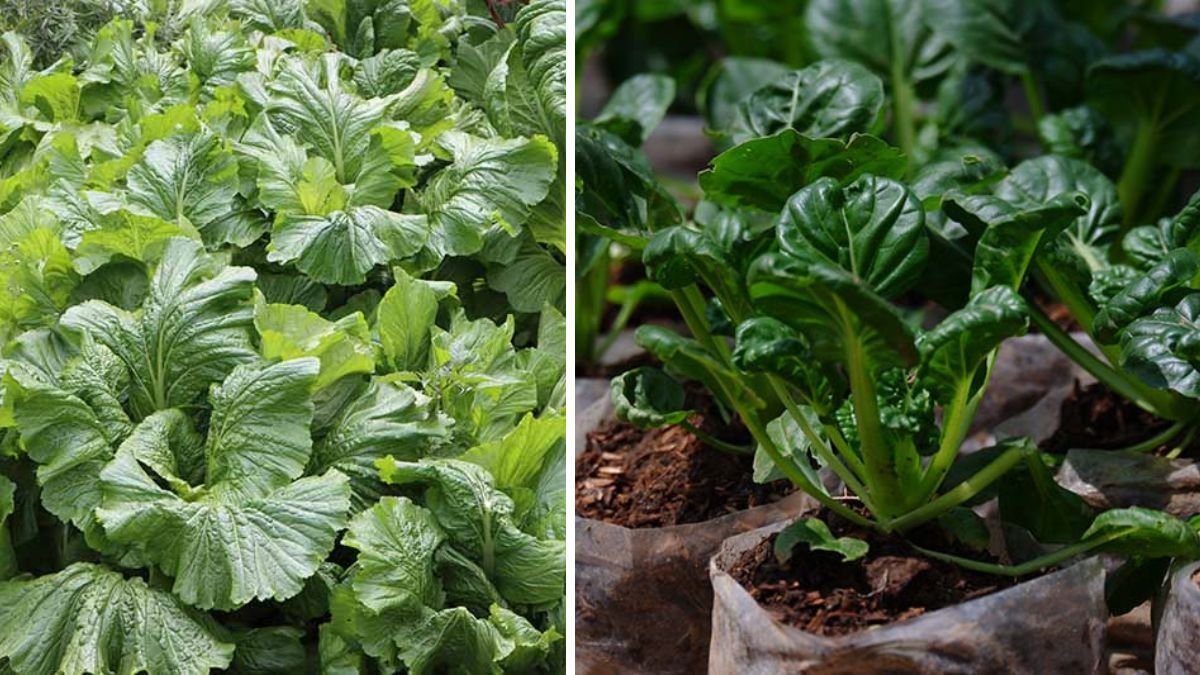
Growing your own spicy mustard leaves (Brassica juncea) at home can be an incredibly rewarding and enriching experience. Not only do these leafy greens add a bold flavor to various dishes, but they also boast impressive nutritional benefits. Whether you have a spacious garden or a small balcony, growing spicy mustard leaves is a straightforward endeavor. This article will guide you through the necessary steps, from selecting seeds to harvesting, while ensuring your spicy mustard plant thrives.
Why Grow Spicy Mustard Leaves?
Before diving into the cultivation process, let’s explore why you might want to consider growing spicy mustard leaves:
- Flavor: They add a zesty, peppery kick to salads, stir-fries, and soups.
- Nutritional Value: Rich in vitamins A, C, and K, as well as several essential minerals.
- Versatility: They can be used in a variety of cuisines, from East Asian to Indian, enhancing the taste of your dishes.
- Quick Growth: Spicy mustard leaves grow quickly, allowing you to harvest within a few weeks.
Getting Started: Choosing the Right Seeds
Types of Mustard Leaves
There are various cultivars of mustard leaves, each with its flavor profiles. However, for a spicy zest, look for varieties like:
- Tokyo Bekana: It has a mild taste, but the leaves are tender and versatile.
- Red Giant: Known for its vibrant color and intense flavor.
- Chinese Mustard Greens: Offers a stronger spice.
You can find these seeds at gardening stores or online. Make sure to purchase organic seeds if you are looking for a chemical-free option.
Planning Your Garden Space
Where to Grow
You can grow spicy mustard leaves in various spaces depending on your preference and available area:
- Garden Bed: If you have a garden, designate a section with well-draining soil.
- Container: Perfect for smaller spaces like balconies or patios. A pot at least 12 inches deep will suffice.
- Window Box: Use deep window boxes for easy access and sunlight.
Soil Preparation
Spicy mustard leaves thrive in nutrient-rich, well-draining soil. Here’s how to prepare your soil:
- Choose the Right Soil: A mix of loamy soil with compost works best.
- pH Level: Aim for a soil pH of 6.0 to 7.5. You can test this using a soil pH kit.
- Amend the Soil: Mix in organic matter such as compost or aged manure to boost nutrients.
Planting Spicy Mustard Seeds
Optimal Planting Time
Spicy mustard leaves prefer cooler weather—spring and fall are ideal times for planting. In most regions, you can sow seeds between early spring and late summer.
Seed Sowing
- Sowing Depth: Plant seeds about 1/4 to 1/2 inch deep.
- Spacing: Leave about 6 inches between each seed for better airflow and growth.
- Watering: Water the soil thoroughly after sowing, but avoid waterlogging.
Germination
Most spicy mustard seeds germinate within 5 to 10 days, depending on temperature and moisture conditions. Ensure they receive adequate sunlight—preferably 6 hours of direct sunlight daily.
Caring for Your Mustard Plants
Watering
- Consistency: Keep the soil consistently moist but not soggy. Water once every two to three days, or more frequently during hot weather.
- Mulching: Adding a layer of organic mulch can help retain moisture and suppress weeds.
Fertilization
Fertilize your spicy mustard plants every four weeks with a balanced, water-soluble fertilizer. Fish emulsion or seaweed fertilizer are excellent organic options.
Pest Control
Common pests such as aphids and caterpillars may target your mustard leaves. Here’s how to manage pests:
- Natural Predators: Encourage beneficial insects like ladybugs.
- Neem Oil Spray: Use organic neem oil as a pesticide.
- Hand-Picking: For larger pests, manually picking them off can be effective.
Weeding
Regularly check for weeds that may compete with your mustard plants for nutrients. Pull them out at the base to prevent regrowth.
Harvesting Spicy Mustard Leaves
When to Harvest
You can begin harvesting spicy mustard leaves about 4 to 6 weeks after sowing. The leaves should be young and tender for the best flavor.
How to Harvest
- Cutting: Use scissors or shears to cut leaves just above the soil line. This encourages new growth.
- Continuous Harvesting: Harvest leaves as needed, allowing the plant to grow more.
- Timing: Best to harvest early in the morning when the leaves are crisp.
Cooking with Spicy Mustard Leaves
Now that you have grown and harvested your spicy mustard leaves, it’s time to use them in your kitchen. Here are a few recipe ideas:
- Stir-Fried Mustard Greens: Quickly stir-fry with garlic and sesame oil for a simple side dish.
- Mustard Greens Salad: Toss raw greens with olive oil, lemon, salt, and pepper for a refreshing salad.
- Mustard Green Soup: Add to your soup base for an added kick of flavor.
FAQs
1. How much sunlight do spicy mustard leaves need?
Spicy mustard leaves require at least 6 hours of direct sunlight each day for optimal growth.
2. Can I grow spicy mustard leaves in shade?
While they can tolerate some shade, their growth and flavor may be compromised. Full sun exposure is ideal.
3. What should I do if my mustard leaves are turning yellow?
Yellowing leaves may indicate overwatering or nutrient deficiency. Check soil moisture and consider fertilizing as needed.
4. How often should I water?
Water your mustard plants every two to three days, depending on weather conditions. Ensure the soil remains consistently moist but not waterlogged.
5. Can spicy mustard leaves be grown year-round?
In mild climates, spicy mustard leaves can be grown year-round. However, they prefer cooler temperatures, making them ideal for spring and fall in most regions.
6. Are spicy mustard leaves safe to eat raw?
Yes, spicy mustard leaves can be eaten raw in salads or sandwiches, providing a zesty flavor boost.
7. What pests should I watch out for?
Common pests include aphids and caterpillars. Regular monitoring and using organic pest control methods can help manage infestations.
8. Can I save seeds from my mustard plants?
Yes, you can save seeds from mature plants. Allow the seed pods to dry completely before harvesting seeds for future planting.
9. How long do spicy mustard leaves grow?
Spicy mustard leaves typically grow quickly and can be harvested within 4-6 weeks from sowing.
10. What is the best way to preserve mustard leaves?
Mustard leaves can be blanched and frozen for longer storage, or they can be pickled to enjoy later.
Conclusion
Growing spicy mustard leaves at home is a wonderful way to enhance your culinary experience while reaping the rewards of gardening. With the right care and attention, you can enjoy vibrant, flavorful greens that spice up your meals, improve your health, and even provide a sense of accomplishment. Start your own spicy mustard garden today and include these bold greens in your kitchen creations!