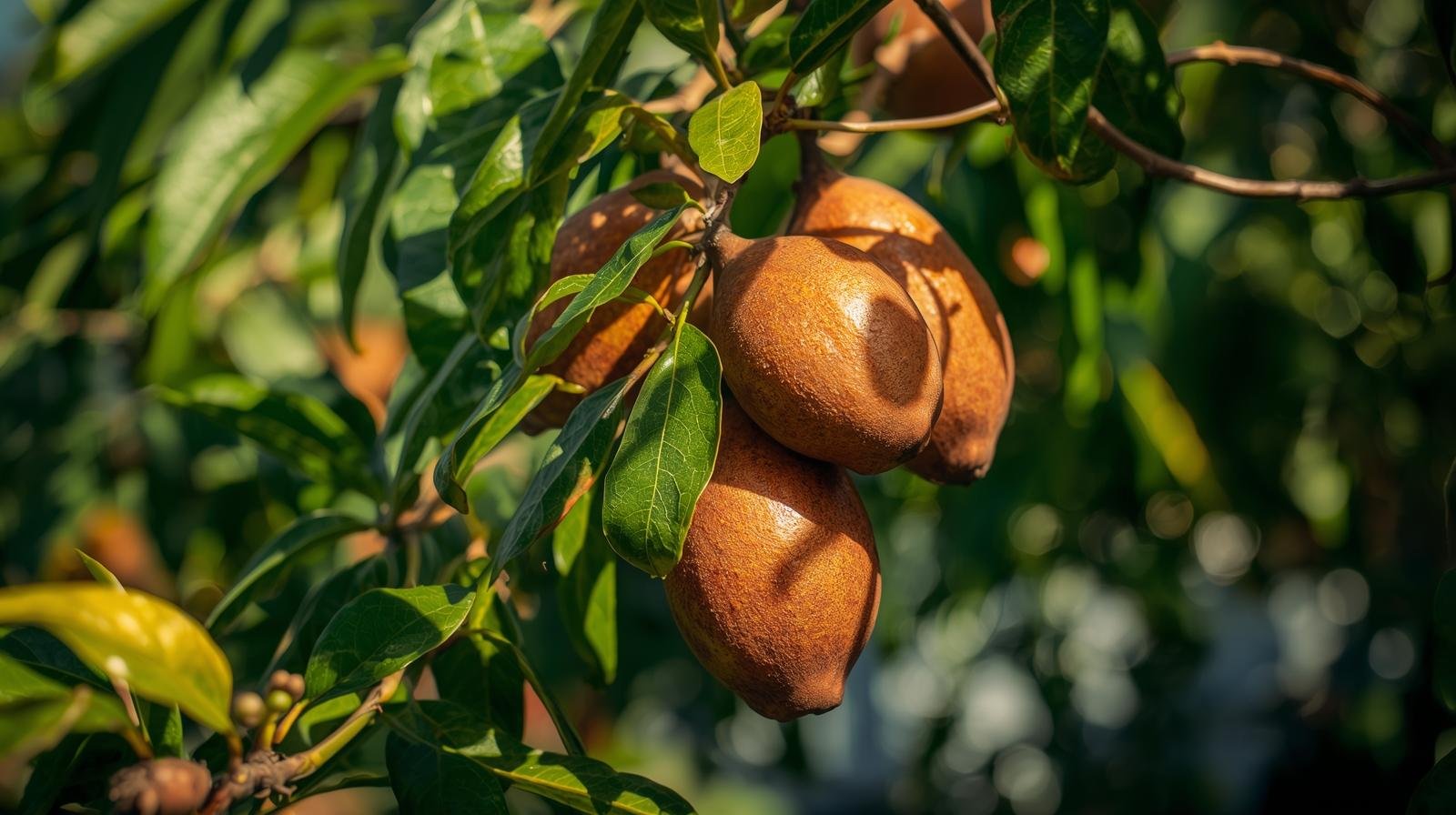
Introduction to Home Sapodilla Cultivation
Sapodilla is a slow-growing but highly rewarding fruit plant. Traditional growing methods often result in delayed fruiting and weak growth. Modern home-friendly techniques focus on soil health, pruning, and controlled nutrition for successful cultivation.
Choosing the Right Sapodilla Variety
Dwarf and grafted sapodilla plants are ideal for home gardens. They fruit earlier and remain manageable in size.
Container or Ground Selection
Sapodilla can be grown in large containers or directly in the ground. Proper drainage is essential in both cases to prevent root rot.
Soil Preparation for Home Growing
A mix of garden soil, compost, and sand creates a well-drained growing medium. Organic matter improves nutrient availability.
Root Conditioning Before Planting
Roots are treated with beneficial microbes before planting. This enhances early establishment and reduces transplant stress.
Proper Planting Technique
The plant is positioned so the graft union stays above soil level. Adequate sunlight exposure supports healthy growth.
Smart Watering Approach
Deep but infrequent watering encourages strong root development. Overwatering is avoided to prevent root diseases.
Nutrient Management for Home Plants
Balanced feeding supports steady growth. Potassium-rich inputs improve flowering and fruit quality.
Pruning and Shape Control
Light pruning helps maintain shape and improves airflow. This encourages fruit-bearing branches.
Pest and Disease Control at Home
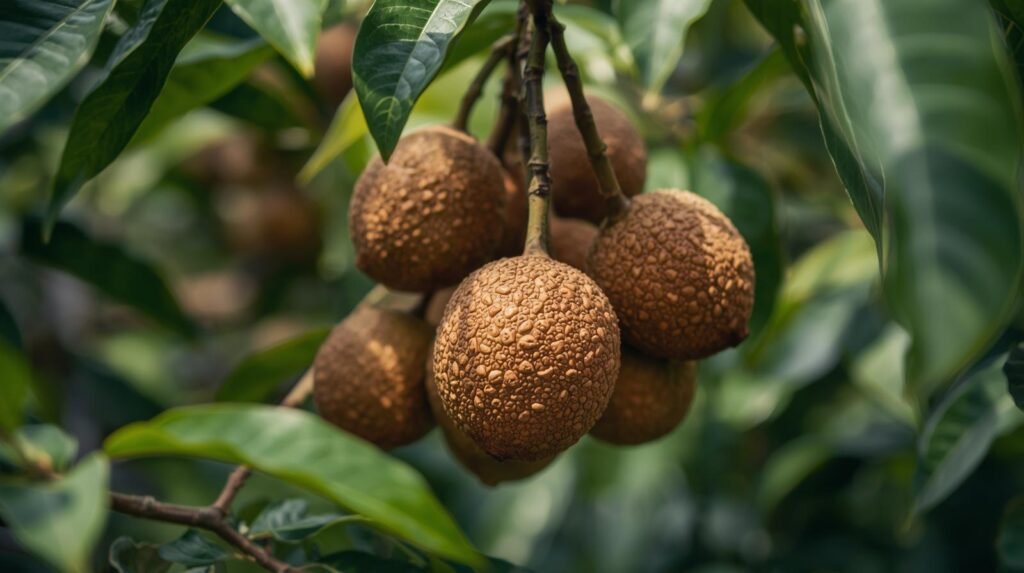
Neem oil and regular inspection prevent pest infestations without chemicals.
Improving Fruit Size and Sweetness
Micronutrients such as calcium and magnesium enhance fruit texture and flavor.
Harvesting and Long-Term Care
Sapodilla fruits are harvested when mature. Regular feeding and pruning ensure long-term productivity.
Sapodilla Growing Technique Comparison Table
| Method | Fruiting Time | Plant Health | Yield |
|---|---|---|---|
| Traditional Method | Late | Moderate | Average |
| Modern Home Technique | Earlier | Strong | High |