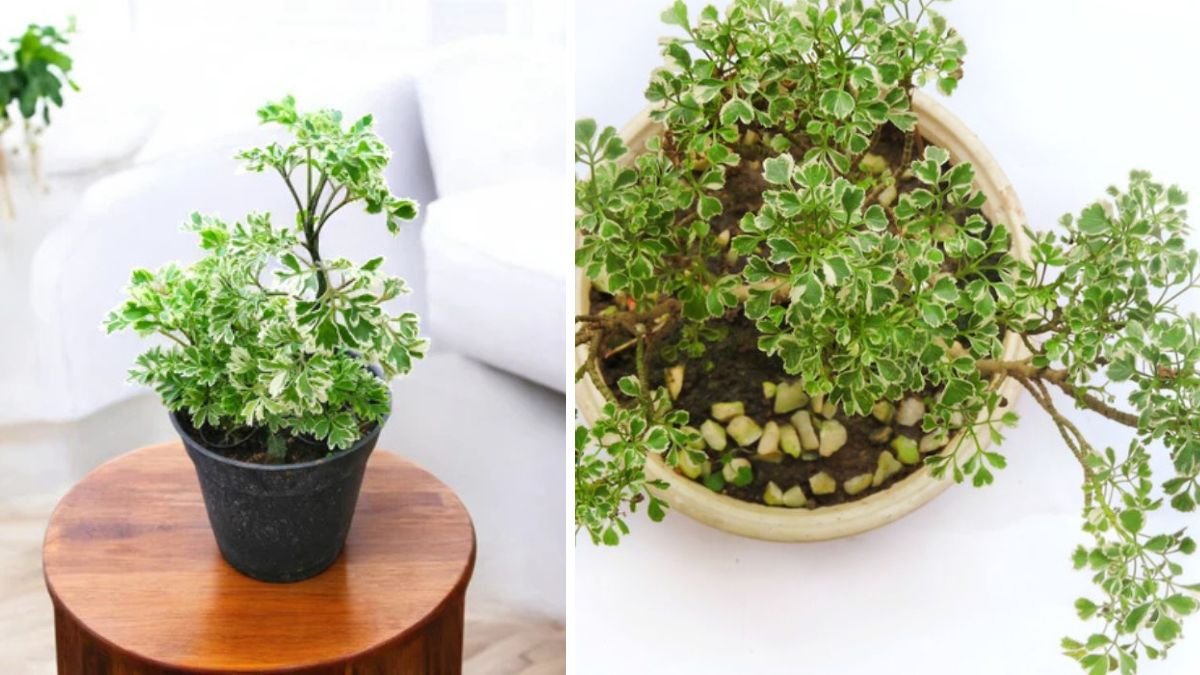
Ming Aralia, also known scientifically as Polyscias fruticosa, is a striking houseplant that adds a touch of elegance and natural beauty to any indoor space. With its lush foliage and unique growth habit, it is becoming increasingly popular among plant enthusiasts and interior decorators alike. Beyond its aesthetic appeal, Ming Aralia offers benefits for indoor air quality, making it an excellent choice for those looking to enhance their living environment. In this comprehensive guide, we will explore how to grow Ming Aralia, its care requirements, and how it can elevate both your home aesthetic and indoor air quality.
What is Ming Aralia?
Ming Aralia is a tropical plant native to the Pacific Islands, known for its dense, dark green leaves and distinctive branching structure. The plant can grow as a small shrub or tree, typically reaching heights between 3 to 6 feet indoors, depending on the pot size and care it receives. Its unique growth pattern resembles a miniature tree, making it an attractive focal point in any room. The leaves are not only pleasing to the eye but are also known to purify the air by removing toxins, which contributes to a healthier indoor environment.
Why Choose Ming Aralia?
1. Aesthetic Appeal
Ming Aralia adds an air of sophistication to any space. Its elegant silhouette and richly textured leaves provide a visual and tactile contrast to other plants, creating a lush and inviting atmosphere.
2. Air Purification
This plant is recognized for its ability to filter various indoor pollutants, such as formaldehyde and benzene. By integrating Ming Aralia into your home, you can improve air quality and enjoy a cleaner, healthier living space.
3. Low Maintenance
Ming Aralia is relatively low-maintenance compared to other houseplants. Once it’s established, it requires minimal care, making it a suitable choice for both novice and experienced plant owners.
Growing Ming Aralia: Essentials for Success
1. Choosing the Right Location
Ming Aralia thrives in bright, indirect light but can tolerate lower light conditions. When placing your plant, avoid direct sunlight, as this can scorch its leaves. A spot near a window with filtered light is ideal. If the plant does not receive enough light, it may become leggy or lose variegation.
2. Potting and Soil
Selecting the right pot and soil is crucial for the health of your Ming Aralia.
-
Potting: Use a pot with drainage holes to prevent waterlogged soil, which can lead to root rot. Choose a pot that allows for some growth; if the plant is root-bound, it will need repotting.
-
Soil: A well-draining potting mix is essential. You can use a standard houseplant mix or create your own by mixing potting soil, perlite, and peat moss. The goal is to have a mix that retains moisture but drains excess water.
3. Watering
Ming Aralia prefers consistently moist soil but is sensitive to overwatering. Allow the top inch of soil to dry out between waterings. Water thoroughly, ensuring that excess water drains from the bottom. During winter, reduce watering as the plant’s growth slows down.
4. Humidity and Temperature
This tropical plant flourishes in high humidity, making it a perfect candidate for bathrooms or kitchens. If your home is particularly dry, consider using a humidity tray or a humidifier. Ideal temperature ranges are between 65°F to 75°F (18°C to 24°C). Avoid cold drafts and sudden temperature changes.
5. Fertilizing
Feed your Ming Aralia with a balanced liquid fertilizer every 4-6 weeks during the growing season (spring and summer). Reduce or cease feeding in the fall and winter months when the plant enters dormancy. Always dilute the fertilizer according to the package instructions to avoid chemical burn.
6. Pruning and Training
Regularly prune your Ming Aralia to encourage bushier growth and maintain its shape. Remove any dead or yellowing leaves, and consider pinching back new growth to promote a fuller appearance. If you wish to train your plant to grow taller or maintain a specific shape, stake it as needed.
7. Pest Management
While Ming Aralia is relatively pest-resistant, it can still fall victim to common houseplant pests like spider mites, aphids, and mealybugs. Regularly inspect your plant, and if you notice any pests, treat them with insecticidal soap or neem oil. Always follow the product’s instructions to ensure safe application.
Enhancing Indoor Air Quality with Ming Aralia
Incorporating Ming Aralia into your home decor not only enhances the aesthetic appeal but also contributes to improved indoor air quality. Studies have shown that houseplants can help eliminate indoor pollutants, increase oxygen levels, and boost overall well-being. Here are some specific ways Ming Aralia contributes to a healthier indoor environment:
1. Filter Airborne Toxins
Ming Aralia is particularly effective at filtering harmful substances found in indoor environments, such as:
- Formaldehyde: Commonly found in household products, furniture, and building materials.
- Benzene: Often present in paints, plastics, and synthetic fibers.
By adding this plant to your living space, you contribute to a reduction in these toxins, making your home healthier.
2. Increasing Humidity
As a tropical plant, Ming Aralia naturally releases moisture into the air through a process known as transpiration. This can help increase indoor humidity levels, which is especially beneficial during dry winter months when indoor air can become excessively dry. Higher humidity can alleviate respiratory issues, dry skin, and other discomforts associated with low humidity.
3. Stress Reduction
The presence of greenery in your home can significantly reduce stress and improve mental well-being. Studies indicate that having plants around positively affects mood and productivity. Ming Aralia, with its elegant form and lush foliage, serves as a natural stress reliever, making your living space feel more serene.
FAQs
1. How much light does Ming Aralia need?
Ming Aralia prefers bright, indirect light. It can tolerate lower light conditions but may become leggy. Avoid direct sunlight.
2. How often should I water Ming Aralia?
Water when the top inch of soil feels dry. Ensure adequate drainage to prevent root rot, especially in winter when watering should be reduced.
3. What type of soil is best for Ming Aralia?
A well-draining potting mix that retains some moisture is ideal. You can create a mix with potting soil, perlite, and peat moss.
4. How do I increase humidity for my Ming Aralia?
You can increase humidity by placing the plant on a humidity tray, grouping it with other plants, or using a humidifier.
5. Can I prune my Ming Aralia?
Yes! Regular pruning encourages bushier growth. Remove any dead leaves and pinch back new growth for a fuller appearance.
6. Is Ming Aralia safe for pets?
Ming Aralia is generally considered non-toxic for cats and dogs. However, it’s always best to observe your pets around any new plants.
7. What pests should I look out for?
Watch for spider mites, aphids, and mealybugs. Regular inspections and treatment with insecticidal soap or neem oil can help maintain pest-free foliage.
Conclusion
Growing Ming Aralia can enhance your home’s aesthetic while also purifying the air you breathe. With its stunning appearance and numerous health benefits, it’s no wonder this plant has made its way into modern interiors. By following the care guidelines outlined in this article and appreciating its beauty and functionality, you can enjoy the benefits of Ming Aralia in your home for years to come. Whether you are a seasoned plant owner or just starting your plant journey, Ming Aralia is a worthy addition to your collection, blending elegance and practicality effortlessly.