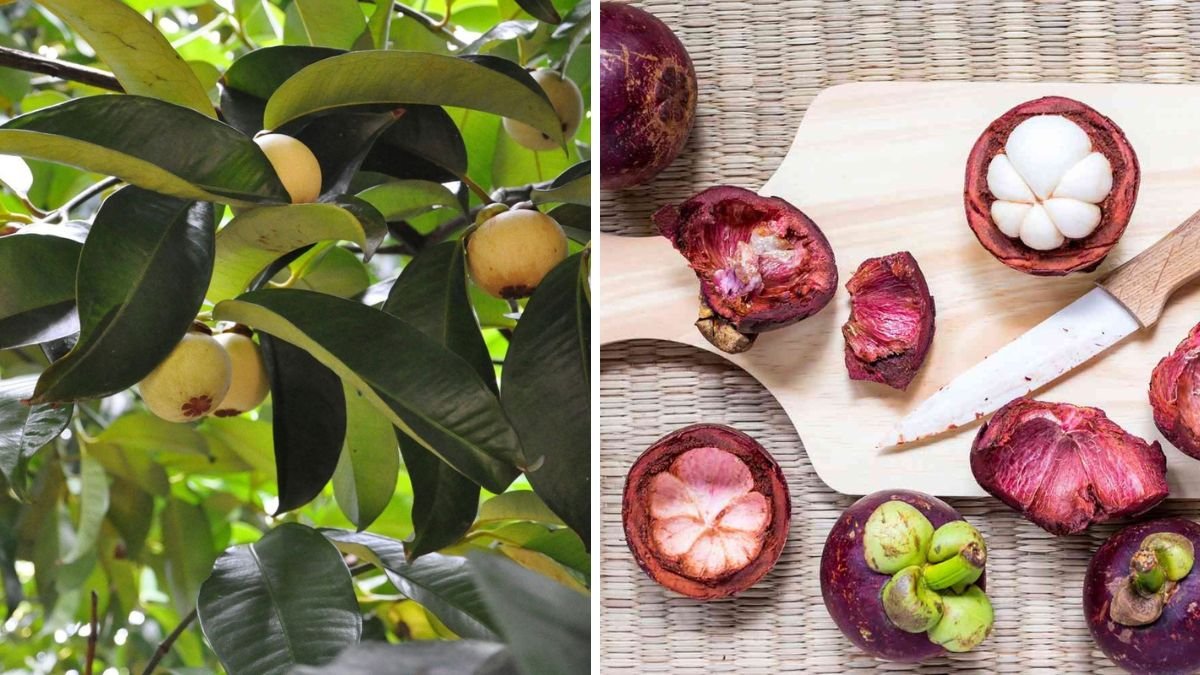
1. Introduction to Mangosteen
Mangosteen is known as the queen of tropical fruits. It is prized for its sweet and aromatic white flesh. Mangosteen trees are slow growing but highly rewarding. They are native to Southeast Asia. Many gardeners believe mangosteen is difficult to grow. With proper care, it can be grown successfully at home. Patience is essential for success. This guide explains simple and effective methods.
2. Understanding the Mangosteen Tree
Mangosteen trees are evergreen and long lived. They grow tall under natural conditions. Leaves are thick, glossy, and dark green. The tree develops a deep root system. Mangosteen prefers stable environments. Sudden stress affects growth. Understanding its nature improves results. Gentle care is necessary.
3. Ideal Climate for Mangosteen
Mangosteen thrives in tropical climates. It prefers warm temperatures year round. Cold weather slows growth significantly. Frost can kill young plants. High humidity supports healthy development. Consistent rainfall is beneficial. Dry climates require extra care. Climate suitability is critical.
4. Growing Mangosteen at Home
Home cultivation is possible with patience. Mangosteen grows well in large containers initially. Indoor protection helps in non tropical regions. Outdoor planting suits warm climates. Space is required for long term growth. Home growers must control conditions carefully. Slow growth should be expected. Persistence brings success.
5. Soil Requirements
Mangosteen prefers deep, rich soil. Well draining soil is essential. Sandy loam with organic matter works best. Soil should remain consistently moist. Slightly acidic soil improves nutrient uptake. Poor drainage causes root rot. Soil preparation determines success. Quality soil is vital.
6. Planting Mangosteen Trees
Plant mangosteen during warm seasons. Dig a deep and wide hole. Loosen surrounding soil gently. Place the seedling carefully. Avoid disturbing roots. Water thoroughly after planting. Mulch around the base. Proper planting reduces stress.
7. Sunlight Preferences
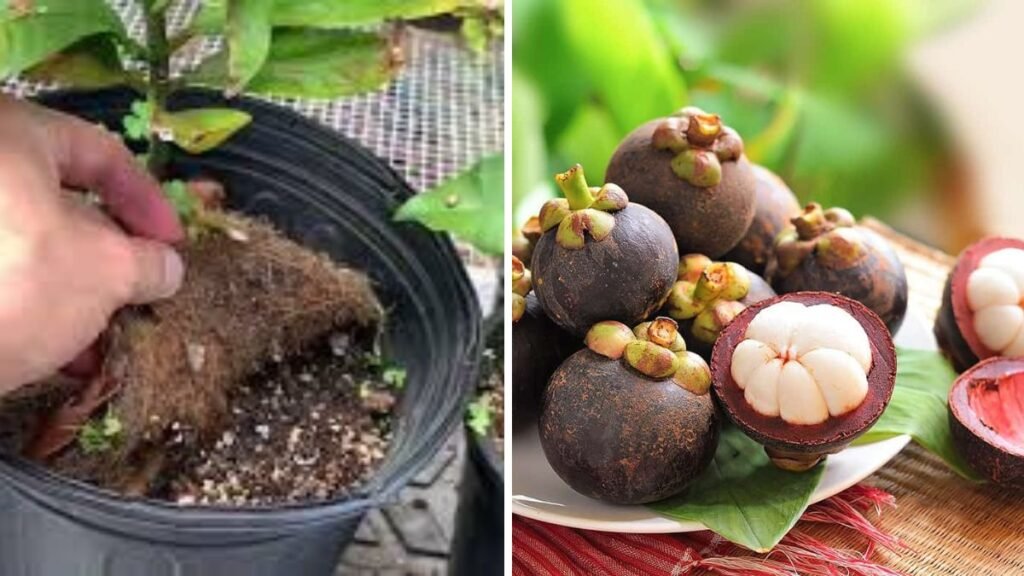
Mangosteen prefers partial shade when young. Direct harsh sunlight damages seedlings. Mature trees tolerate more sun. Filtered sunlight is ideal. Protection from midday sun is helpful. Shade improves leaf health. Balanced light encourages growth. Placement matters greatly.
8. Watering Needs
Mangosteen requires consistent moisture. Soil should never dry completely. Overwatering causes root problems. Deep watering encourages strong roots. Mulching helps retain moisture. Container plants need frequent watering. Water quality should be clean. Balanced watering is essential.
9. Fertilizing Mangosteen Trees
Mangosteen trees are sensitive to fertilizers. Organic compost is safest. Balanced nutrients support slow growth. Avoid chemical overfeeding. Nitrogen supports leaf growth. Potassium improves overall health. Feed lightly but regularly. Nutrition must be gentle.
10. Growth Rate Expectations
Mangosteen grows very slowly. Visible growth may take months. Patience is required during early years. Roots establish before canopy growth. Growth improves with maturity. Do not rush development. Stress delays progress. Slow growth is natural.
11. Flowering Stage
Mangosteen flowers appear after several years. Flowers are small and pale. Proper nutrition supports flowering. Temperature stability is important. Stress prevents blooming. Flowering signals maturity. Healthy trees flower naturally. Patience leads to blooms.
12. Pollination Process
Mangosteen flowers are self fertile. Pollination occurs naturally. Insects assist outdoors. Indoor plants may need airflow. Flower health determines fruit set. Stable conditions support pollination. Avoid disturbance during bloom. Pollination ensures fruit formation.
13. Fruit Development
After flowering, fruit develops slowly. Fruits take months to mature. Adequate water supports development. Nutrient balance affects size. Stress causes fruit drop. Fruits develop thick purple rind. Patience improves sweetness. Development is gradual.
14. Pruning Practices
Mangosteen requires minimal pruning. Remove dead or damaged branches. Avoid heavy pruning. Natural shape is preferred. Pruning improves airflow slightly. Clean tools prevent disease. Light maintenance is enough. Less pruning is better.
15. Pest Management
Mangosteen has few pest issues. Healthy trees resist insects. Occasional pests may appear. Neem oil can be used gently. Avoid harsh chemicals. Regular inspection prevents problems. Pest pressure is usually low. Prevention is sufficient.
16. Disease Prevention
Fungal diseases occur in wet soil. Proper drainage prevents issues. Avoid waterlogged roots. Remove infected material promptly. Clean gardening practices help. Healthy soil boosts resistance. Disease prevention protects growth. Monitoring is important.
17. Harvesting Mangosteen
Mangosteen fruits ripen slowly. Harvest when rind turns deep purple. Use tools to cut fruit. Avoid pulling branches. Handle fruit gently. Ripe mangosteen cracks easily. Harvest timing affects flavor. Care ensures quality.
18. Post Harvest Handling
Wash fruit gently after harvest. Store in cool conditions. Mangosteen has limited shelf life. Consume fresh for best taste. Proper handling prevents spoilage. Homegrown fruit is superior. Storage time is short. Enjoy quickly.
19. Benefits of Growing Mangosteen
Mangosteen is highly nutritious. Homegrown fruit is chemical free. Trees add tropical beauty. Gardening skills improve patience. Fruit value is high. Rare fruit impresses gardeners. Long term rewards are great. Benefits outweigh effort.
20. Conclusion
Growing mangosteen requires patience and care. Stable climate and soil are crucial. Slow growth should not discourage gardeners. Proper watering and nutrition improve success. Home cultivation is achievable. Mangosteen rewards dedication generously. Few fruits match its flavor. Growing it is worthwhile.
📊 Table: Mangosteen Growing Summary
| Aspect | Ideal Condition | Benefit |
|---|---|---|
| Climate | Tropical warm | Healthy growth |
| Soil | Deep and well draining | Root health |
| Water | Consistent moisture | Fruit development |
| Sunlight | Partial shade | Leaf protection |