Introduction
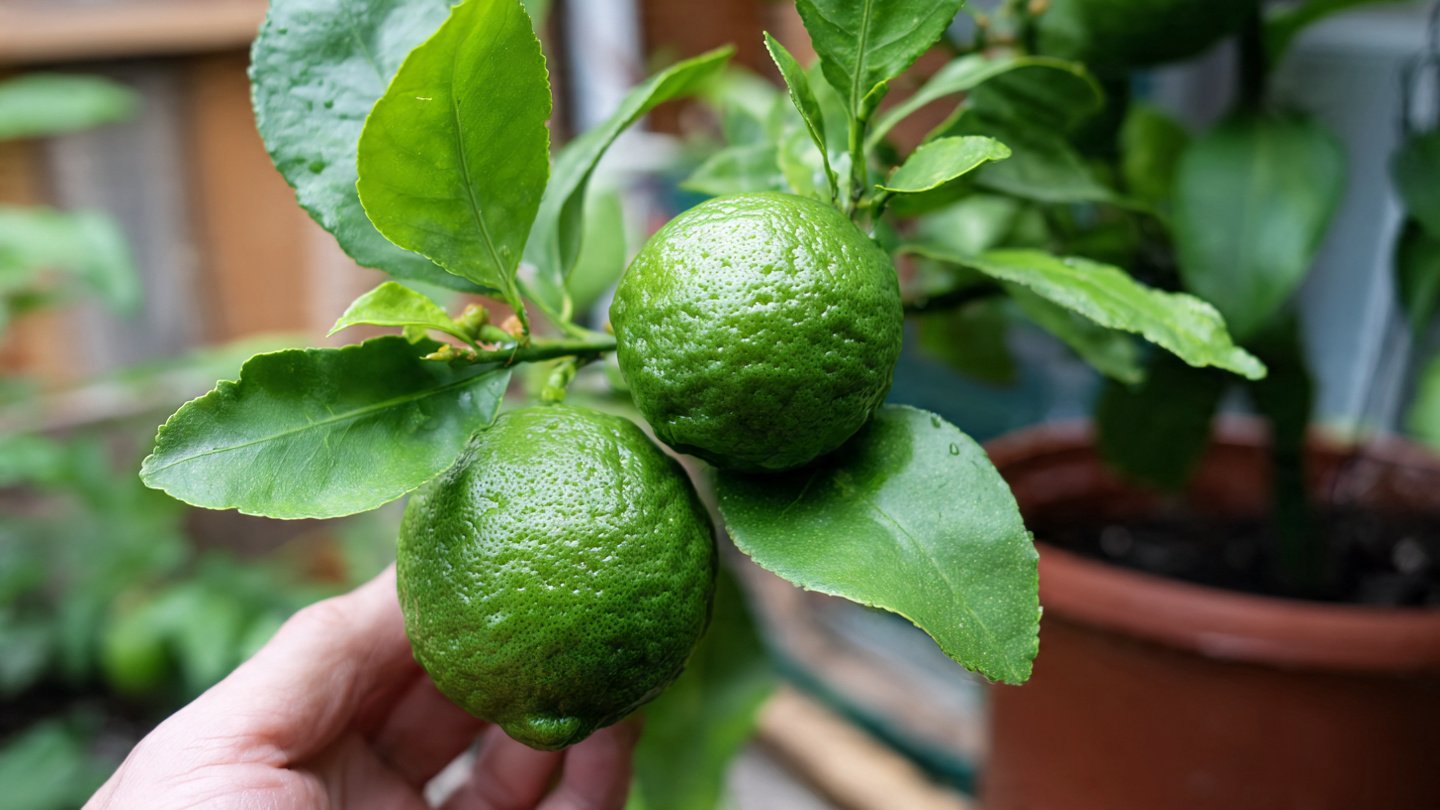
Kaffir lime (Citrus hystrix) is a cherished ingredient in Southeast Asian cuisines, renowned for its distinctive aroma and vibrant flavor. The unique double leaves of the kaffir lime tree, along with its zesty fruit, can elevate a myriad of dishes, from Thai curries to Indonesian sambals. Growing kaffir lime at home not only provides fresh produce but also adds an exotic touch to your garden. This step-by-step guide will take you through the process of growing your own kaffir lime tree, ensuring you enjoy its delightful fragrance and flavor right at your fingertips.
Why Grow Kaffir Lime?
Before diving into the details of cultivation, let’s discuss why you should consider growing kaffir lime:
-
Culinary Uses: The aromatic leaves are commonly used in soups, salads, and stir-fries, while the fruit adds a zesty tang to beverages and desserts.
-
Aromatic Qualities: Kaffir lime leaves have a unique fragrance that can enhance your cooking and provide a refreshing scent in your home.
-
Aesthetics: The tree features lush green foliage and fragrant flowers, making it an attractive addition to any garden.
-
Health Benefits: Kaffir lime is known to have various health benefits, including antimicrobial properties and its use in traditional medicine.
Step 1: Choosing the Right Variety
When selecting a variety of kaffir lime to grow, consider the following:
- Citrus Hystrix: The most common variety for culinary use, recognized for its distinctively shaped leaves and small fruit.
Before purchasing seeds or seedlings, make sure to check local regulations concerning citrus plants, as they may vary due to concerns about pests and diseases.
Step 2: Acquiring Seeds or Seedlings
You can start your kaffir lime plant from seeds or seedlings:
Seeds
-
Buying Seeds: Purchase seeds from a reputable supplier or online store. Ensure they are fresh and of good quality.
-
Preparing Seeds: If you acquire fresh seeds from a fruit, clean them and remove any pulp. Soak the seeds in water for 24 hours to enhance germination.
Seedlings
-
Buying Seedlings: Purchase young plants from a nursery. This option is less time-consuming and often results in healthier plants.
-
Checking Health: Choose seedlings with vibrant green leaves, sturdy stems, and no signs of pests or disease.
Step 3: Preparing the Soil
Kaffir lime thrives in well-draining, fertile soil. Follow these steps to prepare the right mix:
-
Soil Type: A mix containing loamy soil, compost, and sand is ideal. The compost provides nutrients, while sand helps with drainage.
-
pH Level: Aim for a pH level between 6.0 and 7.0. Test your soil to ensure it falls within this range.
-
Container Preparation: If growing in pots, select containers with drainage holes. Fill them with the prepared soil mixture, leaving some space at the top.
Step 4: Planting
Seeds
-
Sowing: Plant the seeds about half an inch deep in the prepared soil. Space them a few inches apart if planting multiple seeds.
-
Watering: Lightly water the soil without making it soggy.
-
Covering: Cover the pot with plastic wrap to maintain humidity until seeds germinate, which usually takes 2-3 weeks.
Seedlings
-
Transplanting: If using seedlings, plant them in the prepared soil at the same depth they were in their original pot.
-
Spacing: Ensure sufficient space between seedlings to allow airflow and growth.
Step 5: Watering and Fertilization
Watering
-
Moisture Requirement: Kaffir lime trees prefer slightly moist soil but are susceptible to root rot. Therefore, allow the top inch of soil to dry out between waterings.
-
Watering Frequency: During hot months, you may need to water the plant more often—once every few days. In cooler months, reduce watering.
Fertilization
-
Fertilizer Type: Use a balanced, slow-release fertilizer or one specifically designed for citrus plants.
-
Application Frequency: Feed your plant every 4-6 weeks during the growing season (spring and summer).
-
Organic Options: Compost and well-rotted manure can also provide essential nutrients.
Step 6: Light and Temperature Requirements
Light
Kaffir lime trees thrive in full sun, requiring at least 6 hours of direct sunlight daily.
- Indoor Growth: If growing indoors, place the plant near a south-facing window or use grow lights if adequate sunlight is not available.
Temperature
-
Ideal Conditions: Kaffir lime prefers warm temperatures between 70°F to 90°F (21°C to 32°C).
-
Cold Sensitivity: Protect the tree from frost and temperatures below 50°F (10°C), as it can damage or kill the plant.
Step 7: Pruning and Maintenance
Pruning
-
When to Prune: Prune your kaffir lime tree in early spring to encourage bushy growth and remove dead or diseased branches.
-
Techniques: Use clean, sharp shears to trim the tree back lightly, focusing on maintaining its shape and removing any crossing branches.
Pest and Disease Management
-
Common Pests: Watch for aphids, spider mites, and scale insects. You can manage them using insecticidal soap or neem oil.
-
Diseases: Root rot, leaf spot, and canker are common problems. Ensure proper watering and avoid overhead watering to reduce risks.
-
Prevention: Maintain good airflow around the plant and ensure it’s not overcrowded to prevent fungal diseases.
Step 8: Harvesting
Leaves
-
When to Harvest: You can begin harvesting leaves once the tree is mature, typically within 2 to 3 years.
-
How to Harvest: Gently twist or cut the leaves from the stem to avoid damaging the tree.
Fruit
-
Fruit Maturity: Kaffir lime fruits generally take about 6 to 9 months to mature after flowering.
-
Picking: Harvest the fruit when it turns dark green. Do not leave the fruit on the tree for too long; it can become hard and dry.
Step 9: Using Kaffir Lime in Cooking
Once your kaffir lime tree starts producing, you can enjoy the delightful flavors in a variety of dishes. Here are some popular uses:
-
Curry: Add whole or sliced leaves to Thai curry recipes for an aromatic enhancement.
-
Soups: Use the leaves in soups for added fragrance.
-
Beverages: Brew fresh leaves in hot water for a refreshing tea or use zest in cocktails.
-
Marinades: Incorporate minced leaves into marinades for chicken or fish to impart flavorful notes.
Conclusion
Growing kaffir lime at home is a rewarding experience that offers culinary delights and a touch of exotic beauty to your garden. With proper care, you’ll be able to enjoy the fragrant leaves and zesty fruit, enhancing your dishes and elevating your cooking. By following this step-by-step guide, you can cultivate your own thriving kaffir lime tree and savor its vibrant flavor and aroma for years to come. Happy gardening!