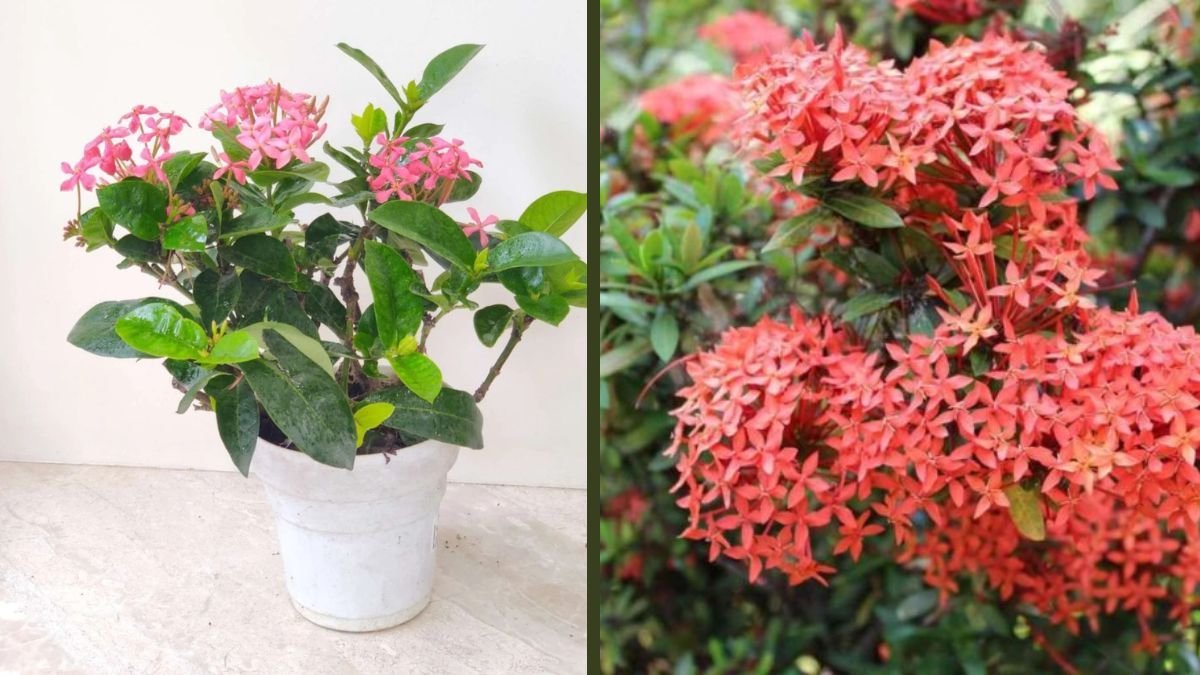
Ixora is a popular tropical flowering shrub known for its vibrant flower clusters. It is widely grown in gardens, hedges, and pots. Ixora flowers add bright color to landscapes. Propagating ixora from cuttings is the most effective method. This ensures true-to-type plants. Seed propagation is slow and unreliable. Cuttings grow faster and flower earlier. With proper care, ixora propagation is easy. This guide explains ixora growing from cuttings step by step.
Why Choose Cuttings for Ixora Propagation
Cutting propagation ensures identical plants. Flower color and shape remain consistent. It saves time compared to seeds. Cuttings root well under suitable conditions. Nursery growers prefer this method. It is cost-effective and reliable. Home gardeners can easily follow it. High success rate makes it popular. Cuttings give predictable results.
Best Time to Grow Ixora From Cuttings
Ixora grows best in warm and humid weather. Spring and early monsoon seasons are ideal. Avoid cold winter months. Moderate humidity supports root development. Early morning cutting collection is best. Avoid extremely hot days. Seasonal timing improves success rate. Correct timing ensures faster rooting.
Selecting Healthy Ixora Cuttings
Choose healthy, disease-free parent plants. Semi-hardwood cuttings work best. Cutting length should be ten to fifteen centimeters. Avoid flowering shoots. Leaves should be green and firm. Healthy cuttings root faster. Poor quality cuttings fail easily. Selection determines success.
Preparing Ixora Cuttings
Use a sharp and clean tool. Make a slanting cut below a node. Remove lower leaves. Retain a few leaves at the top. This reduces moisture loss. Optional rooting hormone can be applied. Allow cut end to dry slightly. Proper preparation prevents rot.
Soil and Rooting Medium
Ixora prefers slightly acidic soil. Use a mix of garden soil, sand, and coco peat. Good drainage is essential. Avoid heavy soil. Sterile medium reduces fungal infection. Lightly moisten soil before planting. Proper medium supports root growth.
Planting Ixora Cuttings
Insert cuttings into prepared soil. Ensure node is inside soil. Firm soil gently. Water lightly after planting. Do not disturb cuttings. Place pots in shaded area. Proper planting improves root initiation. Stability is important.
Watering and Humidity Management
Maintain consistent moisture. Avoid waterlogging. High humidity supports rooting. Mist leaves if required. Cover pots with plastic for humidity. Provide ventilation daily. Proper moisture balance prevents rotting. Controlled humidity improves success.
Light and Temperature Needs
Ixora cuttings prefer bright indirect light. Avoid direct sunlight initially. Warm temperature supports rooting. Indoor placement works well. Stable conditions reduce stress. Gradual sunlight exposure is recommended. Balanced light improves growth.
Root Formation and Growth Signs
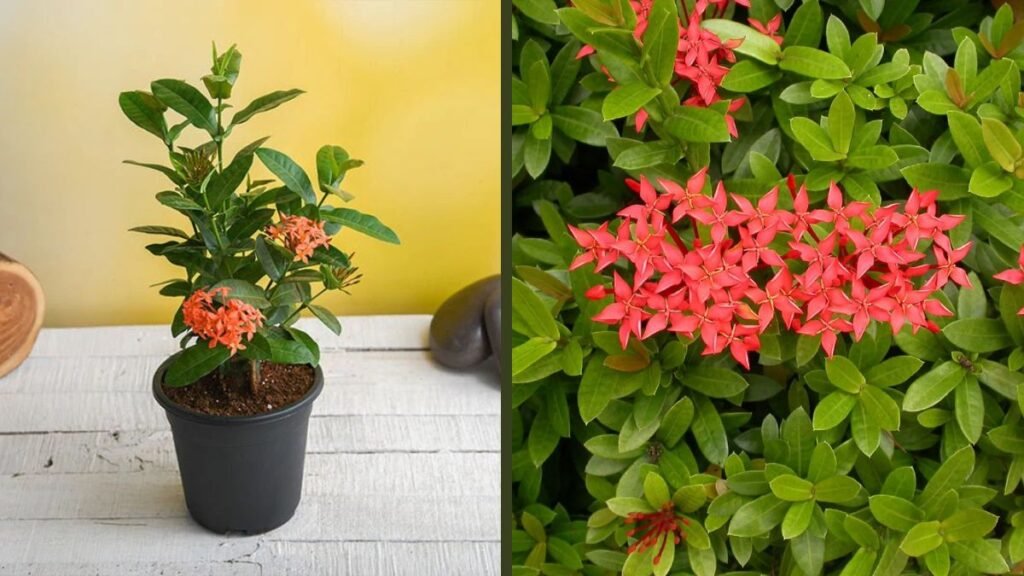
Roots develop within four to six weeks. New leaf growth indicates success. Healthy cuttings remain green. Gently check root resistance. Remove failed cuttings. Patience is required. Rooting time varies. Observation is key.
Transplanting Rooted Ixora Cuttings
Once roots develop, transplant to larger pots. Handle gently to avoid damage. Use acidic soil mix. Water after transplanting. Gradually expose to sunlight. Avoid fertilizer initially. Proper transplanting ensures survival.
Fertilizer Requirements
Ixora requires light feeding. Use organic compost. Acidic fertilizers are beneficial. Avoid excess nitrogen. Feed after establishment. Balanced nutrients improve flowering. Healthy feeding supports growth.
Pruning and Training Ixora Plants
Pruning encourages bushy growth. Remove weak shoots. Shape plants regularly. Prune after flowering. Proper pruning improves flower production. Training enhances appearance. Regular pruning keeps plants healthy.
Common Problems in Ixora Propagation
Leaf drop due to stress is common. Overwatering causes rot. Low acidity affects growth. Poor light slows rooting. Pest attack may occur. Correct conditions reduce problems. Early action prevents loss.
Pest and Disease Control
Ixora may attract aphids and mealybugs. Neem oil works effectively. Maintain cleanliness. Avoid chemical pesticides. Good airflow reduces disease risk. Regular monitoring is essential. Organic control is best.
Advantages of Growing Ixora From Cuttings
High success rate. Faster flowering. Uniform plants. Cost-effective method. Suitable for home gardens. Ideal for hedges. Reliable propagation. Widely practiced.
Comparison: Seed vs Cutting Propagation
| Aspect | Seed Propagation | Cutting Propagation |
|---|---|---|
| Growth Speed | Slow | Fast |
| Flower Uniformity | Variable | Same as Parent |
| Success Rate | Low | High |
| Time to Flower | Long | Short |
| Reliability | Low | Very High |
Growing Ixora in Pots and Gardens
Ixora grows well in pots and ground. Suitable for hedges. Requires sunlight after establishment. Regular watering is needed. Acidic soil improves blooms. Pot-grown plants are easy to manage. Ideal for decorative gardens.
Long-Term Care of Ixora Plants
Provide regular watering. Maintain soil acidity. Prune regularly. Feed organically. Protect from pests. Proper care ensures continuous flowering. Healthy plants bloom year-round.
Conclusion
Growing ixora from cuttings is a simple and effective method. It ensures healthy, flowering plants in less time. With proper care and conditions, success rates are high. This method benefits gardeners and nurseries. Ixora adds vibrant beauty to landscapes. Following this guide ensures successful propagation.