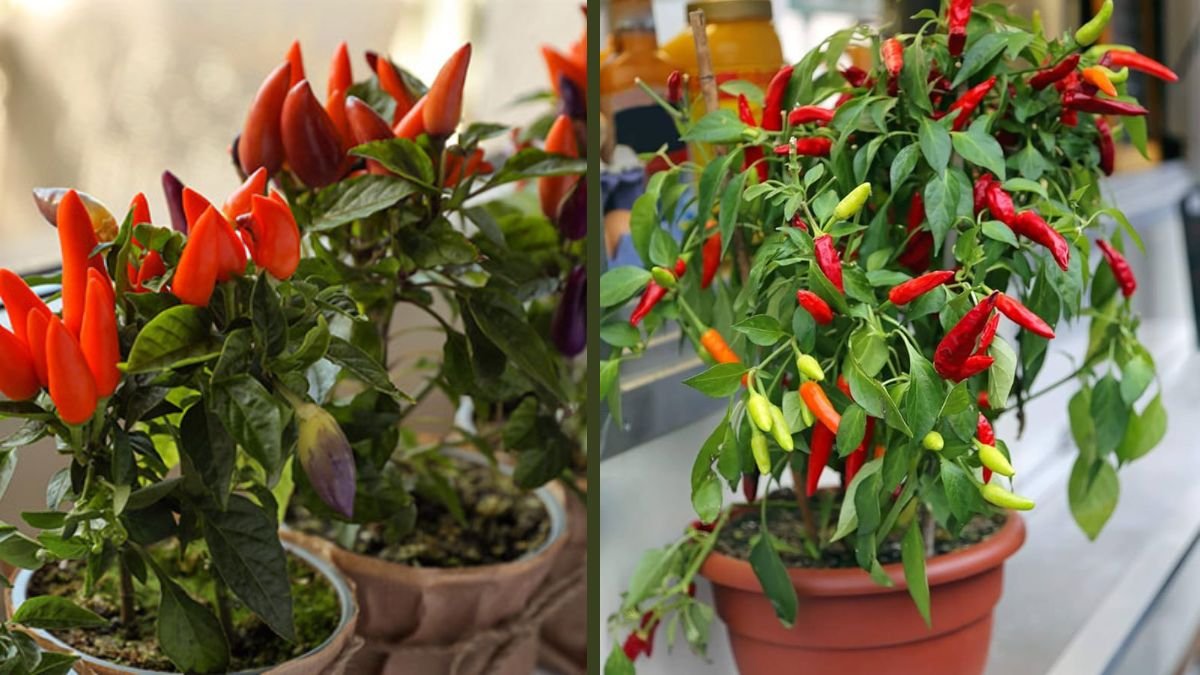
Introduction to Ultra-Spicy Chili Cultivation
Chili plants are among the most exciting vegetables to grow at home, especially for gardeners who love intense heat and bold flavors. Growing extremely spicy chili varieties requires more than just basic planting; it involves special techniques that push the plant to its full potential. When grown correctly, chili plants can produce fruits all over the branches, creating a stunning and productive plant. Homegrown spicy chilies are fresher, stronger, and more flavorful than store-bought ones. With proper care, a single plant can yield dozens or even hundreds of chilies. These techniques work well in pots, grow bags, or garden beds. This guide explains how to grow chilies so productive that fruits seem to sprout everywhere.
Why Most Chili Plants Fail to Reach Maximum Spiciness
Many gardeners grow chili plants that look healthy but produce mild or fewer fruits. Excess watering reduces capsaicin production, which is responsible for heat. Over-fertilizing with nitrogen promotes leaves instead of flowers. Poor sunlight weakens plant energy. Stress at the right stage is actually necessary for extreme spiciness. Inconsistent care leads to flower drop. Soil lacking minerals limits fruit development. Understanding these mistakes is essential before applying advanced techniques.
Choosing the Right Chili Varieties for Extreme Heat
Variety selection is the foundation of growing super-spicy chilies. Varieties like Ghost Pepper, Carolina Reaper, Bhut Jolokia, Bird’s Eye Chili, and Scorpion Chili are known for extreme heat. Choose seeds from trusted sources to ensure authenticity. Local climate adaptability is important for long growing seasons. Hybrid varieties offer uniform growth, while heirlooms provide stronger flavor. Compact varieties suit container growing. Choosing the right chili determines final spiciness and yield. Never compromise on seed quality.
Seed Preparation Techniques for Strong Seedlings
Soaking chili seeds before planting improves germination rates. Warm water soaking softens the seed coat. Some growers use compost tea or diluted organic solutions. Seeds should be planted in a light, airy medium. Maintain warmth during germination. Avoid overwatering seed trays. Strong seedlings develop thicker stems. Healthy early growth supports heavy fruiting later.
Soil Preparation for Maximum Heat and Yield
Chili plants thrive in loose, fertile, and well-draining soil. A mix of garden soil, compost, and coco peat works well. Adding wood ash or banana peel compost increases potassium. Avoid overly rich nitrogen soil. Slightly stressed soil conditions increase heat levels. Soil must retain moisture but drain well. Healthy soil microbes enhance nutrient absorption. Soil preparation directly affects fruit quantity and spiciness.
Pot Size and Spacing for Heavy Fruiting
Chili roots need adequate space to support heavy fruit loads. Small pots restrict growth and reduce yield. Use large containers or well-spaced garden beds. Overcrowding reduces airflow and increases disease risk. Proper spacing allows sunlight to reach all branches. Good airflow strengthens stems. Root freedom leads to stronger plants. Space management is essential for fruits everywhere.
Sunlight Requirements for Super Spicy Chilies
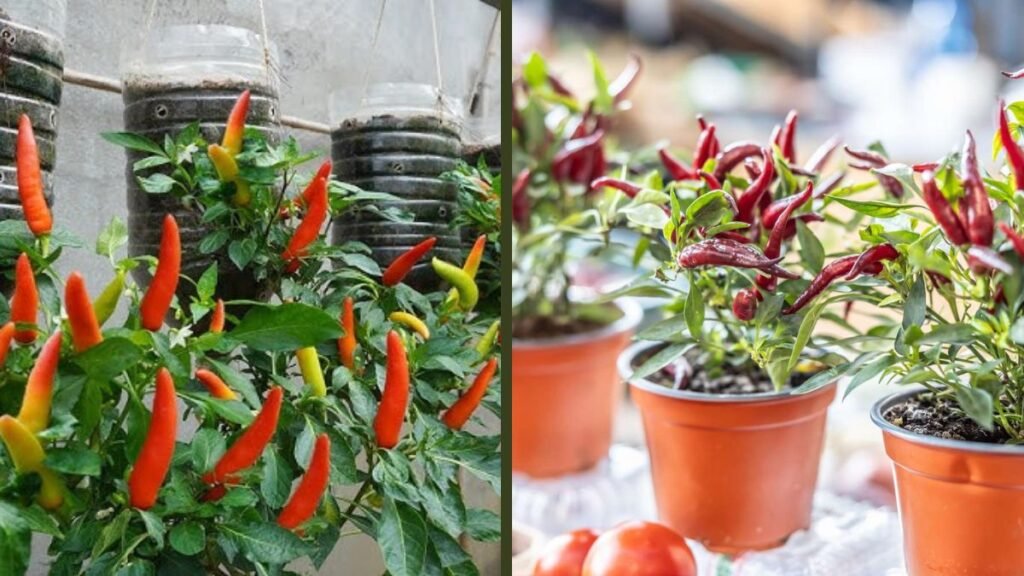
Chili plants need long hours of strong sunlight. Full sun exposure boosts flowering and fruiting. Insufficient light results in leggy plants. Place containers where they receive consistent sunlight daily. Rotate pots for uniform exposure. Sunlight increases capsaicin concentration. Strong light equals stronger heat. Light management cannot be ignored.
Watering Technique That Increases Spiciness
Unlike many vegetables, chili plants benefit from controlled watering. Overwatering reduces heat intensity. Deep but less frequent watering strengthens roots. Allow slight drying between watering sessions. Water early in the morning. Avoid wetting leaves excessively. Controlled stress increases capsaicin production. Proper watering balances plant health and spiciness.
Pruning Method for Fruits Sprouting Everywhere
Strategic pruning transforms chili plants into heavy producers. Remove early flowers to encourage branching. Prune weak or inward-growing branches. More branches mean more flowering points. Pruning improves airflow and sunlight penetration. Strong structure supports fruit weight. Regular pruning leads to bushy plants. Fruits appear on every node when done correctly.
Feeding Schedule for Explosive Flowering
Chili plants are moderate feeders. Organic compost and liquid feeds work best. Avoid excessive nitrogen after flowering starts. Potassium and phosphorus promote flower and fruit development. Feeding every two weeks is ideal. Natural fertilizers improve soil health. Balanced feeding supports continuous production. Nutrition directly impacts yield.
Stress Technique to Boost Heat Levels
Mild stress increases chili heat dramatically. Reducing water slightly during fruiting boosts capsaicin. Avoid extreme stress that damages plants. Stress should be applied gradually. Healthy plants handle stress better. Stress signals the plant to produce hotter fruits. This technique is used by professional growers. Controlled stress equals extreme heat.
Flower Pollination for Maximum Fruit Set
Chili flowers are self-pollinating but benefit from movement. Gentle shaking helps pollen transfer. Avoid spraying water during flowering. Healthy nutrition prevents flower drop. Proper airflow improves pollination. More flowers mean more fruits. Pollination management ensures full yield. Simple actions give big results.
Supporting Plants Loaded with Chilies
When fruits sprout everywhere, branches become heavy. Staking or cages prevent breakage. Support improves airflow and sunlight. Upright plants are healthier. Use bamboo or wooden sticks. Tie gently to avoid damage. Support protects your harvest. Strong plants last longer.
Pest Management Without Reducing Heat
Avoid chemical pesticides that affect fruit quality. Neem oil controls pests safely. Remove affected leaves promptly. Healthy soil reduces pest attacks. Monitor plants regularly. Early action prevents infestation. Organic methods preserve heat and flavor. Prevention is always easier than cure.
Chili Growth Stages Overview (Table)
| Growth Stage | Duration | Key Focus |
|---|---|---|
| Germination | One to two weeks | Warmth |
| Vegetative Growth | One month | Pruning |
| Flowering | Two to three weeks | Feeding |
| Fruiting | Two to three months | Stress control |
Harvesting Extremely Spicy Chilies
Harvest chilies when fully mature for maximum heat. Color change indicates peak ripeness. Use clean tools for cutting. Regular harvesting encourages new fruits. Avoid pulling fruits forcefully. Morning harvest is ideal. Handle carefully to avoid skin irritation. Extremely spicy chilies require caution.
Drying and Storing Spicy Chilies
Drying concentrates heat and flavor. Air-drying or sun-drying works well. Store in airtight containers. Keep away from moisture. Dried chilies last longer. Proper storage preserves spiciness. Grinding creates powerful chili powder. Storage matters for long-term use.
Common Mistakes to Avoid
Overwatering reduces heat. Excess nitrogen limits fruiting. Ignoring pruning lowers yield. Poor sunlight weakens plants. Using small pots restricts roots. Avoid these mistakes for success. Simple corrections lead to dramatic improvement. Experience improves results.
Why Homegrown Chilies Are Much Hotter
Homegrown chilies receive controlled care. Stress techniques increase capsaicin. Fresh harvests retain potency. No chemicals interfere with heat. Flavor is stronger. Yield is higher. Growing at home gives full control. Results are unmatched.
Final Conclusion
Growing extremely spicy chili is an art combined with science. With the right techniques, fruits can sprout everywhere on the plant. These methods work for beginners and experts alike. Proper care transforms ordinary plants into powerhouses. Home gardening becomes rewarding and exciting. Try these techniques and experience real heat. Your chili plants will amaze you.