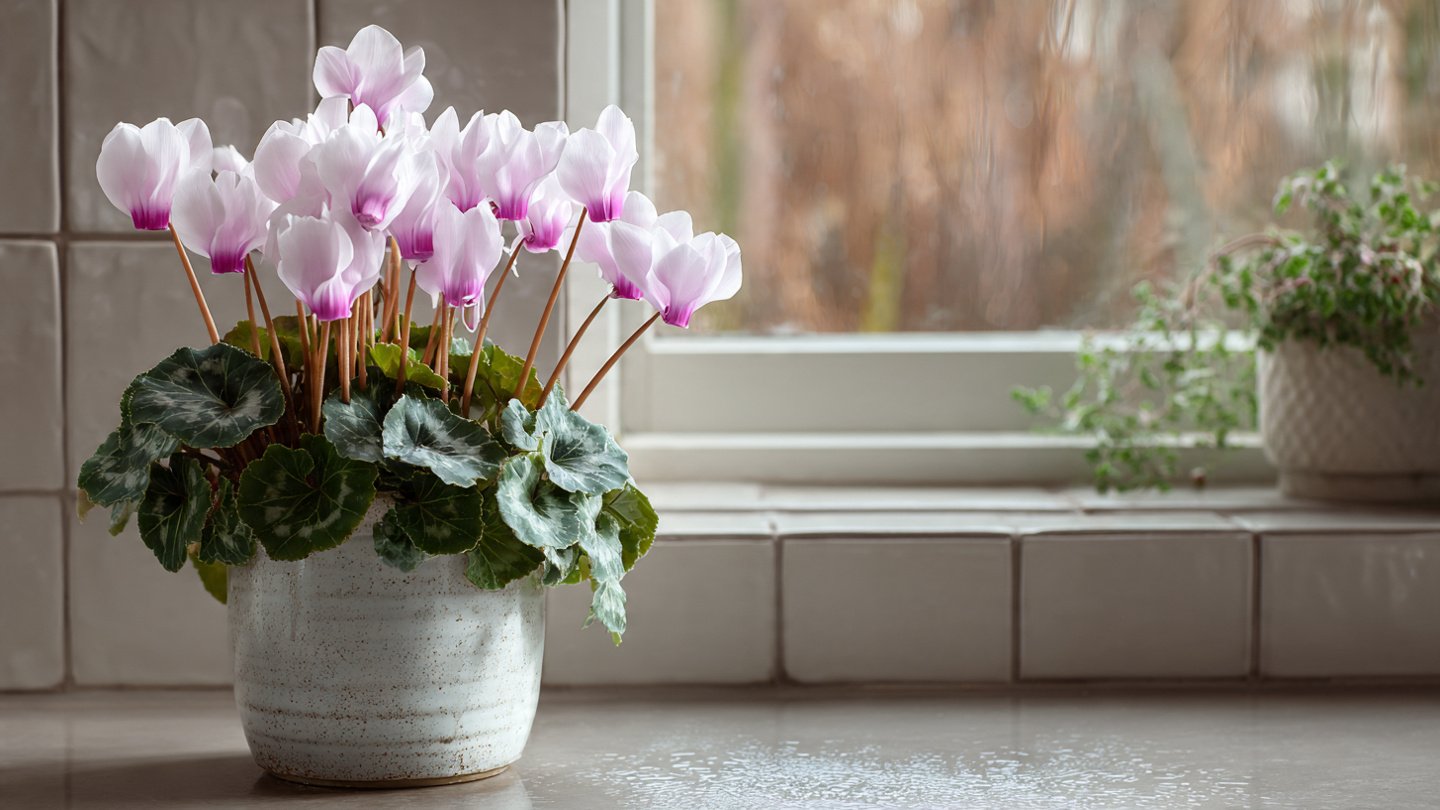
Cyclamen are enchanting perennial plants known for their stunning heart-shaped leaves and beautiful flowers that range in color from white to pink, red, and purple. With the right care, these plants can thrive indoors, bringing vibrant color to your home during the cooler months. This article will guide you through the steps to successfully grow cyclamen, ensuring long-lasting beautiful blooms.
Understanding Cyclamen
Cyclamen belong to the Primulaceae family and are native to the Mediterranean region. One of the most popular species for indoor cultivation is Cyclamen persicum, which exhibits large, colorful blooms. These plants are typically grown as winter flowering houseplants, providing a delightful source of visual interest during the colder months.
Selecting the Right Variety
While Cyclamen persicum is the most commonly cultivated variety, there are several other species worth considering:
-
Cyclamen hederifolium: Known for its decorative foliage and ability to bloom in the fall.
-
Cyclamen coum: Produces smaller flowers and glossy leaves, making it excellent for indoor pots and outdoor gardens.
When selecting a cyclamen, choose healthy plants with vibrant blooms and no signs of leaf or root rot.
Ideal Growing Conditions
To successfully grow cyclamen, it is crucial to replicate their preferred growing conditions:
1. Light Requirements
Cyclamen thrive in bright, indirect sunlight. The ideal location is near a north or east-facing window where they will receive filtered sunlight. Direct sunlight can scorch their leaves and flowers, so it’s best to avoid excessively sunny spots.
2. Temperature
Cyclamen prefer cooler temperatures, ideally between 50-70°F (10-21°C). They will bloom longer and more profusely in cooler conditions, making them perfect for homes during the winter months. Avoid placing them near heat sources or in rooms that become overly warm.
3. Humidity
Cyclamen prefer higher humidity, around 50-70%. If your home environment is dry, especially during winter, consider using a humidity tray or a room humidifier. Alternatively, you can group your plants together to increase humidity around them.
4. Soil Type
Use a well-draining potting mix that retains some moisture but does not allow for waterlogging. A mix specifically formulated for African violets can work well. You can also create your own by mixing equal parts potting soil, perlite, and peat moss.
Potting Cyclamen
Materials Needed
- A pot with drainage holes
- Well-draining potting mix
- Water
Steps
-
Choose the Right Pot: Select a pot that’s just slightly larger than the cyclamen’s root ball. Avoid pots that are too large, as they can retain excess moisture.
-
Prepare the Soil: Fill the pot with your chosen potting mix, leaving enough space to accommodate the plant.
-
Planting: Remove your cyclamen from its nursery pot, being careful not to damage the tuber. Place the tuber in the new pot, ensuring that its top is level with the soil surface. This is important, as burying the tuber too deep can prevent flowering.
-
Watering: Water thoroughly after potting, ensuring that excess water drains out of the bottom. Allow the soil to dry slightly between waterings, as cyclamen prefer a more moderate level of soil moisture.
Watering Practices
Watering is one of the most critical aspects of cyclamen care.
- Frequency: Water your cyclamen when the top inch of soil feels dry.
- Technique: Water directly into the pot, avoiding the leaves and flowers, to prevent rot and disease.
- Signs of Overwatering: Yellowing leaves and wilting can indicate that your cyclamen is receiving too much water.
Fertilizing Cyclamen
Providing adequate nutrients is essential for promoting healthy growth and vibrant blooms.
When to Fertilize
Fertilize your cyclamen every four to six weeks during the growing season (usually fall through early spring). During dormancy, typically in late spring and summer when the leaves die back, you can reduce or completely stop fertilizing.
Type of Fertilizer
Use a balanced, water-soluble fertilizer diluted to half strength. A formula with equal parts nitrogen, phosphorus, and potassium (such as 10-10-10) will support healthy growth and flowering.
Pruning and Maintenance
Regular maintenance will help keep your cyclamen looking their best:
1. Deadheading Flowers
Remove spent blooms by pinching them off at their base. This encourages the plant to produce more flowers and enhances its appearance.
2. Removing Yellowing Leaves
As leaves age, they may turn yellow and die back. Remove these leaves at the base of the stem to promote healthy growth and air circulation around the plant.
Encouraging Long-Lasting Blooms
To maximize the blooming period of your cyclamen, consider the following:
- Provide Optimal Conditions: Keep your cyclamen in cooler temperatures and away from drafts.
- Limit Stress: Avoid moving the plant too frequently or exposing it to sudden temperature changes.
- Monitor Water Levels: Ensure the soil remains slightly moist but not soggy.
Dealing with Pests and Diseases
Cyclamen can attract pests like aphids, spider mites, and mealybugs. Regularly check your plants and take immediate action if you notice any pests.
-
Insecticidal Soap: Treat infestations with insecticidal soap or neem oil, applying it according to package instructions.
-
Fungal Issues: Overwatering can lead to rot and fungal infections. Ensure proper drainage and adjust your watering habits if you notice signs of rot.
Dormancy Period
After the blooming period, cyclamen typically enter a dormant phase. This is natural and essential for the plant’s health.
Signs of Dormancy
- Yellowing leaves
- A reduction in flower production
Care During Dormancy
- Watering: Gradually reduce watering as the leaves die back, allowing the tuber to conserve energy.
- Temperature: Maintain a cool and dry environment, ideally between 50-60°F (10-15°C).
- Neglect: Avoid fertilizing or repotting during dormancy, as this can stress the plant.
Reviving Your Cyclamen
When the dormancy period ends, gradually reintroduce water, and place the plant in a brighter location. With proper care, you will see new growth and flowers returning.
Conclusion
Growing cyclamen can be a rewarding experience, adding a touch of elegance and color to your home. By understanding their needs and providing proper care, you can enjoy long-lasting blooms throughout the winter. Whether you are an experienced gardener or a beginner, following these guidelines will help you cultivate these stunning plants successfully.
FAQs
1. How often should I water my cyclamen?
Water your cyclamen when the top inch of soil feels dry. Be careful not to overwater; ensure the pot has drainage holes.
2. Can cyclamen be grown outdoors?
Yes, certain varieties like Cyclamen hederifolium can thrive outdoors, but they prefer cooler climates. Ensure they’re planted in a shaded or partially shaded area.
3. Why are my cyclamen leaves turning yellow?
Yellowing leaves can indicate overwatering, insufficient light, or pest infestations. Assess the environment and adjust care accordingly.
4. How can I encourage more blooms?
Provide cooler temperatures, adequate light, and avoid moving the plant too often. Regular deadheading can also encourage more flowers.
5. What should I do if my cyclamen goes dormant?
Reduce watering and let the leaves die back naturally. Store the pot in a cool, dry location until new growth appears.
6. How long do cyclamen blooms last?
With proper care, cyclamen blooms can last for several months, often from fall to early spring.
Following these guidelines will ensure your cyclamen thrive and bring beauty into your home for years to come!