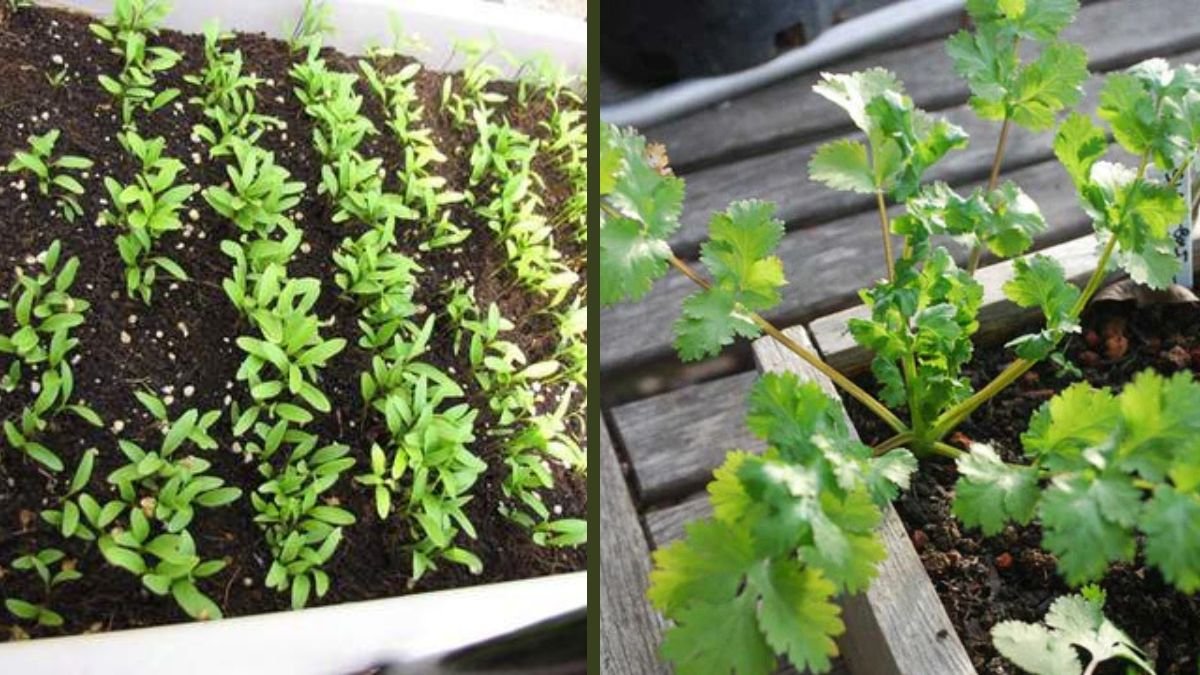
Introduction to Coriander Cultivation
Coriander is one of the most commonly used herbs in kitchens around the world. Known for its fresh aroma and flavor, coriander leaves and seeds are both widely consumed. Growing coriander at home is easy, cost-effective, and rewarding. It can be grown in pots, grow bags, or open fields. Coriander grows quickly and requires minimal space. Homegrown coriander is free from chemicals and pesticides. With proper care, continuous harvesting is possible. This article explains everything about growing coriander successfully.
Why Grow Coriander at Home
Growing coriander at home ensures a fresh supply throughout the year. Store-bought coriander often wilts quickly and loses aroma. Home cultivation saves money and reduces waste. It is suitable for beginners due to its fast growth cycle. Coriander plants improve kitchen garden diversity. It can be grown organically with ease. Fresh leaves enhance taste and nutrition. Growing coriander also improves gardening confidence.
Understanding Coriander Plant Requirements
Coriander is a cool-season herb that prefers moderate temperatures. It grows best in loose, well-drained soil. Adequate sunlight is essential for healthy growth. Coriander requires regular watering but does not tolerate waterlogging. The plant grows quickly and matures within weeks. Proper spacing ensures good leaf development. Understanding these requirements improves yield. Simple care practices give excellent results.
Best Season to Grow Coriander
Coriander grows best during cooler months. In tropical regions, winter and early spring are ideal. High temperatures cause early flowering. Summer cultivation is possible in partial shade. Avoid extreme heat and frost. Seasonal timing affects leaf quality and aroma. Proper season selection ensures continuous growth. Cooler temperatures improve leaf tenderness.
Selecting Good Quality Coriander Seeds
Seed quality plays an important role in successful cultivation. Always choose fresh, good-quality seeds. Split coriander seeds gently before sowing. This improves germination rate. Avoid old or damaged seeds. Organic seeds are preferred for home gardens. Healthy seeds result in uniform growth. Seed selection determines plant vigor.
Soil Preparation for Coriander
Loose and fertile soil is ideal for coriander. Mix garden soil with compost and sand. This improves drainage and nutrient availability. Avoid heavy clay soil. Soil should be free from stones and debris. Raised beds or pots work well. Proper soil preparation ensures healthy root growth. Good soil improves leaf production.
Sowing Coriander Seeds
Sow seeds directly into soil or pots. Do not transplant seedlings, as coriander dislikes root disturbance. Sow seeds at shallow depth. Maintain proper spacing between plants. Lightly cover seeds with soil. Water gently after sowing. Seeds germinate within seven to ten days. Direct sowing gives better results.
Watering Schedule for Coriander
Regular watering is essential for tender leaves. Soil should remain moist but not wet. Overwatering causes root rot. Underwatering leads to poor growth. Water early in the morning. Reduce watering during rainy days. Proper moisture balance improves leaf quality. Consistent watering ensures continuous harvest.
Sunlight Requirements
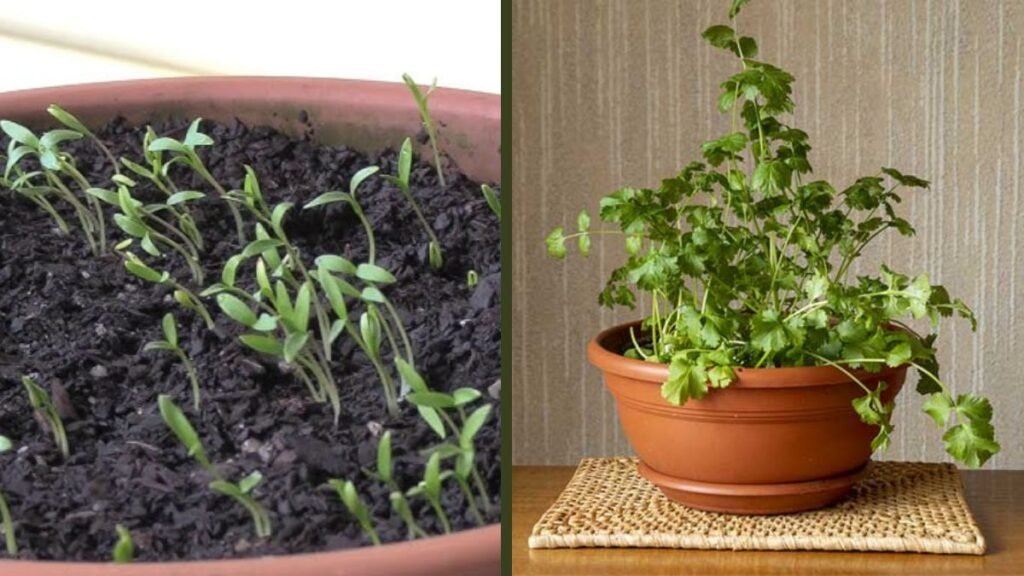
Coriander needs moderate sunlight. Four to six hours of sunlight is sufficient. Too much heat causes bolting. Partial shade works well in summer. Indoor growing near windows is possible. Balanced sunlight improves leaf color. Sunlight management is key to success. Avoid harsh afternoon sun.
Fertilizer and Nutrient Management
Coriander does not require heavy fertilization. Organic compost is usually sufficient. Apply vermicompost every two weeks. Avoid excessive nitrogen. Balanced nutrients support healthy leaves. Liquid compost tea can be used. Over-fertilization reduces flavor. Natural feeding works best.
Thinning and Spacing Management
Overcrowding reduces leaf size. Thin seedlings once they grow a few inches tall. Maintain proper spacing between plants. Good spacing improves air circulation. This reduces disease risk. Thinning also improves sunlight penetration. Healthy spacing improves yield. This step is often overlooked.
Harvesting Coriander Leaves
Coriander leaves can be harvested within three to four weeks. Cut outer leaves first. Do not uproot the plant. Regular harvesting encourages new growth. Morning harvesting gives best aroma. Avoid cutting all leaves at once. Proper harvesting extends plant life. Fresh leaves are more flavorful.
Growing Coriander for Seeds
Allow plants to flower for seed production. Reduce watering once flowering begins. Seeds develop after flowering. Harvest seeds when they turn brown. Dry seeds in shade. Store in airtight containers. Seed production requires patience. Homegrown seeds ensure future crops.
Common Problems in Coriander Growing
Early bolting is a common issue. Heat stress causes flowering. Poor germination occurs due to old seeds. Yellowing leaves indicate nutrient deficiency. Pests like aphids may attack. Overwatering causes root rot. Proper care prevents most issues. Early detection saves plants.
Pest and Disease Management
Coriander is relatively pest-resistant. Neem oil spray controls aphids. Avoid chemical pesticides. Good airflow prevents fungal diseases. Remove infected plants immediately. Healthy soil reduces disease risk. Organic methods work well. Regular inspection is important.
Growing Coriander in Pots
Coriander grows well in pots and grow bags. Choose shallow but wide containers. Ensure drainage holes. Place pots in sunny locations. Pot-grown coriander is easy to manage. Ideal for balconies and terraces. Container gardening suits urban homes. Regular watering is essential.
Benefits of Growing Coriander
Coriander is rich in vitamins and minerals. It aids digestion and improves immunity. Fresh leaves enhance food flavor. Growing at home ensures freshness. Organic cultivation improves health benefits. Gardening reduces stress. Coriander is a valuable kitchen herb. It supports healthy living.
Comparison: Store-Bought vs Homegrown Coriander
| Aspect | Store-Bought Coriander | Homegrown Coriander |
|---|---|---|
| Freshness | Short-lasting | Very Fresh |
| Cost | Repeated Expense | Low Cost |
| Chemical Use | Possible | None |
| Aroma | Moderate | Strong |
| Availability | Market Dependent | Always Available |
Coriander in Kitchen Gardening
Coriander is ideal for kitchen gardens. It grows quickly. Requires little space. Enhances daily cooking. Suitable for beginners. Easy maintenance. Supports sustainable living. Perfect starter plant.
Long-Term Care and Success Tips
Rotate crops regularly. Use fresh seeds each season. Provide shade during heat. Harvest regularly. Maintain soil health. Avoid overcrowding. Simple practices ensure success. Coriander growing is easy and rewarding.
Conclusion
Growing coriander at home is simple and beneficial. With proper care, anyone can enjoy fresh leaves and seeds. It requires minimal space and effort. Organic homegrown coriander improves health and taste. This guide helps beginners succeed. Start growing coriander today for a fresh kitchen supply.