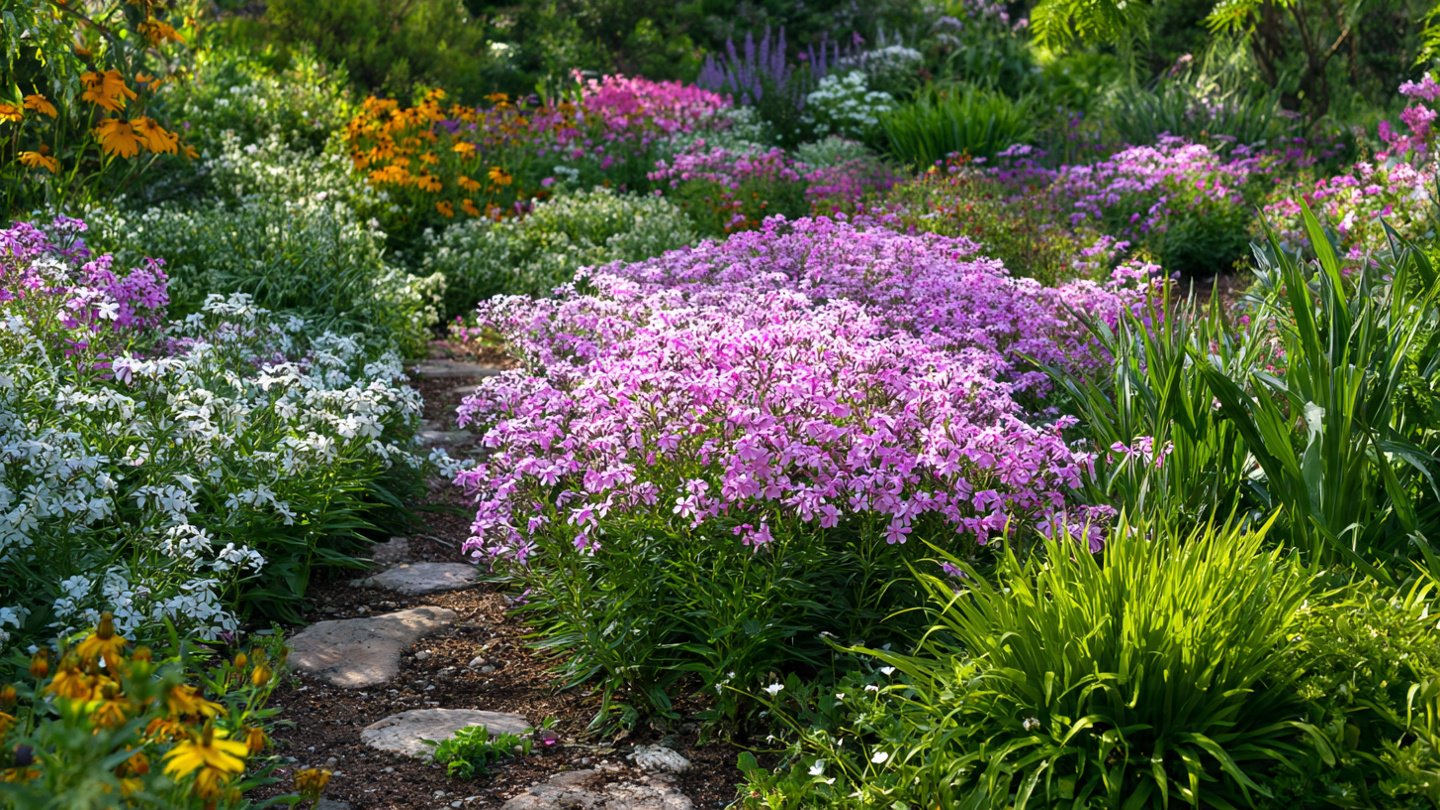
Phlox, with its vibrant blooms and delightful fragrance, has long been a favorite in home gardens and floral arrangements. These perennial plants come in various types, each showcasing stunning colors and shapes. In this comprehensive guide, we will explore the best practices for growing phlox in your garden, how to cut and arrange them for captivating floral displays, and answer some common questions about this beautiful flower.
Understanding Phlox
Phlox is a genus of about 60 species that belong to the Polemoniaceae family. They are primarily native to North America and are cherished for their long-lasting blooms that can grace your garden from late spring to early fall. Among the most popular types are:
- Garden Phlox (Phlox paniculata): Tall and sturdy, ideal for borders and cut flowers.
- Creeping Phlox (Phlox subulata): Low-growing and perfect for ground cover.
- Woodland Phlox (Phlox divaricata): Ideal for shady areas, producing lovely blue and purple hues.
Each of these types can play a unique role in your garden, contributing to a stunning array of colors and textures.
Benefits of Growing Phlox
- Stunning Visual Appeal: Phlox blooms in shades of pink, white, red, lavender, and blue, creating a dazzling spectacle.
- Fragrance: Many species emit a sweet scent, enhancing the sensory experience of your garden.
- Attracts Pollinators: Phlox flowers are a haven for bees, butterflies, and hummingbirds, promoting biodiversity.
- Long Blooming Season: Once established, phlox can bloom for numerous weeks, making it a staple for cut flowers.
Planting Phlox
Choosing the Right Location
Phlox prefers full sun to partial shade, thriving in well-drained soil. The soil should be rich in organic matter with a pH between 6.0 and 7.0. Consider these tips when selecting the best location:
- Sunlight: Aim for at least 6 hours of sunlight daily.
- Drainage: Avoid low-lying areas where water can pool after prolonged rain.
- Spacing: Depending on the type, space plants about 12 to 24 inches apart to ensure proper airflow.
Soil Preparation
Before planting, prepare your garden bed by:
- Testing Soil: Use a soil testing kit to determine pH and nutrient levels.
- Amending Soil: Incorporate compost or well-rotted manure to enrich the soil.
- Tilling: Loosen the soil to a depth of at least 12 inches to promote root growth.
Planting Phlox
You can grow phlox from seeds, seedlings, or divisions. Here’s how to plant them effectively:
-
Seeds: Start seeds indoors 8-10 weeks before the last frost. Sow seeds on the surface, lightly covering them with soil. Keep them moist until germination.
-
Seedlings: Purchase healthy seedlings from a nursery. Transplant them outdoors after the danger of frost has passed.
-
Divisions: The best time to divide established plants is in early spring or fall. Carefully dig up the clumps and replant them, ensuring each division has roots.
Watering and Fertilization
Once your phlox is in the ground:
-
Watering: Water newly planted phlox deeply to encourage deep root growth. After establishment, a weekly watering is sufficient, with increased frequency during dry spells.
-
Fertilizing: Apply a balanced fertilizer marketed for flowering plants every 4-6 weeks during the growing season. Follow the manufacturer’s instructions for the correct dosage.
General Care Tips
Pruning
To encourage bushier growth and more blooms, pinch back the stems when they reach about 6 inches in height. Remove spent blooms (deadheading) regularly to promote continued flowering and prevent seedlings from self-seeding.
Pest and Disease Management
Regular monitoring is essential to keep your phlox healthy. Watch for common pests like aphids, spider mites, and slugs. Employ natural remedies or insecticidal soap as needed. Furthermore, check for fungal diseases, which can occur in humid conditions. Ensure good airflow around your plants and avoid overhead watering to minimize disease.
Supporting Tall Phlox
For taller varieties, consider using stakes or natural supports to keep them upright in the wind. Use soft ties to secure the stems without damaging them.
Harvesting Phlox for Cut Flower Arrangements
One of the main reasons to grow phlox is to enjoy their beauty indoors through cut flower arrangements. Follow these steps to harvest phlox properly:
Timing
The best time to cut phlox for arrangements is early in the morning or late in the evening when the flowers are fully hydrated. Aim for when about half of the flowers on a stem are open.
Cutting Techniques
- Use Sharp Scissors: Always use clean, sharp scissors or garden shears to avoid damaging the stems.
- Cut at an Angle: Cut stems at a 45-degree angle to maximize water uptake.
- Length: Harvest stems that are at least 12-16 inches long for optimal arrangements.
Conditioning Cut Flowers
After cutting, place the stems in a bucket of lukewarm water. Allow the phlox to hydrate for a few hours or overnight before arranging. This helps to ensure they last longer in your displays.
Arranging Phlox for Stunning Displays
Phlox pairs beautifully with various flowers such as daisies, sunflowers, and greenery. Here are some tips for creating stunning arrangements:
-
Choose a Base: Select a container that complements the colors of your phlox. Clear vases allow the beauty of the flowers to shine, while colored or textured containers can add depth.
-
Layering: Start with larger flowers or greens at the base and then add phlox and other blooms, working upwards.
-
Variety: Mix phlox colors or types for an eye-catching arrangement. Combining different heights and shapes can add visual interest.
-
Maintain Hydration: Refresh the water every few days and re-cut the stems to prolong the life of your arrangement.
FAQ Section
1. When should I plant phlox?
Plant phlox in the spring after the last frost or in the fall, about 6-8 weeks before the first hard frost.
2. How often should I water phlox?
Once established, phlox typically requires watering once a week, more during hot, dry conditions. Ensure the soil remains moist but not waterlogged.
3. Can phlox be grown in containers?
Yes, phlox can be grown in containers. Choose a large pot with drainage holes and ensure you use a quality potting mix.
4. How do I stop my phlox from flopping over?
Using stakes or natural supports can help maintain upright growth for tall phlox varieties. You can also pinch back stems in early spring to encourage bushier growth.
5. Why are my phlox leaves turning yellow?
Yellowing leaves may indicate overwatering, poor drainage, or nutrient deficiencies. Check your watering habits and soil quality.
6. Can I grow phlox in the shade?
Some types of phlox, like woodland phlox, tolerate partial shade. However, if you want them to be prolific bloomers, full sun is ideal.
7. How long do cut phlox last in arrangements?
When properly conditioned and cared for, cut phlox can last up to 7-10 days in arrangements.
8. Do phlox attract pests?
Phlox can attract aphids and spider mites. Regular monitoring and using insecticidal soap can help keep these pests at bay.
Conclusion
Growing phlox is a rewarding endeavor that adds beauty to both your garden and home. With vibrant colors, delightful fragrances, and the ability to create stunning arrangements, phlox is a flower that every gardener should consider. By following the planting and care guidelines outlined in this article, you can cultivate flourishing plants and enjoy their beauty indoors for years to come. Happy gardening!