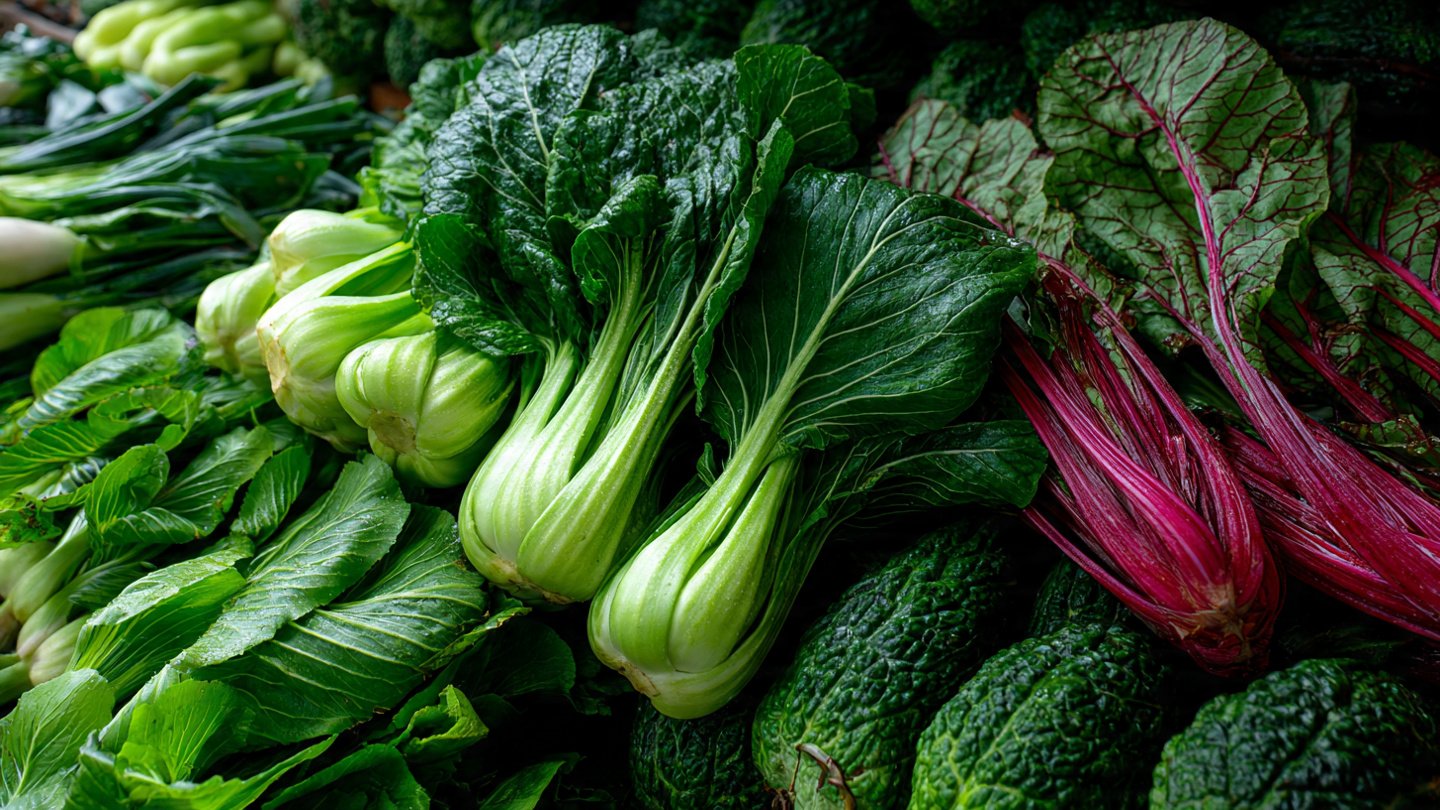
Asian greens, a diverse family of leafy vegetables, not only enhance our culinary experiences but also provide abundant nutritional benefits. Species such as bok choy, kale, daikon greens, and mustards are known for their rich flavors and rich content of vitamins, minerals, and antioxidants. With the right approach, you can successfully grow Asian greens year-round, providing your kitchen with fresh, flavorful leaves regardless of the season. This article delves into the environmental requirements, cultivation techniques, pest management, and harvesting practices to ensure a robust crop of Asian greens throughout the year.
Understanding Asian Greens
Asian greens come in various shapes, sizes, and flavors, allowing for versatility in both cooking and nutrition. Some popular varieties include:
- Bok Choy: Characterized by its white stems and dark green leaves, bok choy has a mild flavor that works well in stir-fries and salads.
- Asian Spinach (Purslane): This succulent green offers a slightly tangy flavor and is rich in omega-3 fatty acids.
- Mustard Greens: With a spicy flavor reminiscent of horseradish, mustard greens can be eaten raw or cooked.
- Collard Greens: This nutrient-dense green provides a hearty texture and is packed with vitamins A, C, and K.
Understanding these varieties allows you to select the right ones for your climate and culinary preferences.
Ideal Growing Conditions
Climate
The first step in growing Asian greens year-round is understanding their climate requirements. Most Asian greens thrive in cooler temperatures, typically between 50°F (10°C) and 75°F (24°C). While some varieties can endure mild frost, extreme heat can cause them to bolt, resulting in tough, bitter leaves.
Soil
Soil health is crucial for growing Asian greens. Ideal soil should be:
- Rich in Organic Matter: Incorporate compost or well-rotted manure to enhance soil fertility.
- Well-Draining: Asian greens prefer loamy soil that retains moisture without becoming waterlogged.
- pH Levels: Aim for a soil pH between 6.0 and 7.0 for optimal nutrient availability.
Sunlight
Most Asian greens prefer full sun, requiring a minimum of 4 to 6 hours of direct sunlight daily. However, they can also tolerate partial shade, particularly during the hotter summer months, which can help prevent bolting.
Planting Techniques
Direct Sowing
For many Asian greens, direct sowing is a straightforward and effective method. Follow these guidelines:
- Planting Time: Choose early spring or late summer for sowing your seeds. These seasons provide the cool temperatures that Asian greens favor.
- Seed Depth and Spacing: Sow seeds about ½ inch deep, with a spacing of 10 to 12 inches between rows. Thin seedlings to 4 to 6 inches apart once they emerge for optimal growth.
Transplanting
Transplanting seedlings gives you the advantage of better control over growing conditions. To successfully transplant, follow these steps:
- Start Indoors: Begin seeds indoors 4 to 6 weeks before the last frost date.
- Harden Off: Gradually acclimatize your seedlings to outdoor conditions for one to two weeks before transplanting.
- Transplanting: Set seedlings in the garden bed at the same depth they were growing in their containers, ensuring adequate spacing.
Continuous Planting
To ensure a continuous supply of leafy greens, practice succession planting. Sow a new batch of seeds every two to three weeks during the growing season. This strategy keeps your harvest consistent and ongoing.
Watering and Nutrient Management
Watering
Asian greens require consistent moisture for optimal growth. Here’s how to achieve effective watering:
- Deep Watering: Water deeply once or twice a week rather than frequent shallow watering, allowing plants to develop strong root systems.
- Mulching: Apply organic mulch (such as straw or wood chips) to conserve soil moisture and reduce weed competition.
Fertilization
Fertilizing your Asian greens can significantly enhance their growth. Consider these practices:
- Before Planting: Mix slow-release organic fertilizers into the soil at planting time.
- Top-Dressing: Apply a balanced fertilizer or compost every 4 to 6 weeks during the growing season.
Pest Management
Asian greens are susceptible to various pests, including aphids, cabbage worms, and flea beetles. Implement these strategies to manage pests effectively:
Cultural Practices
- Crop Rotation: Rotate your Asian greens with other crops to disrupt pest life cycles.
- Companion Planting: Plant herbs or flowers that repel pests, such as marigolds or dill, alongside your greens.
Organic Pest Control
- Insecticidal Soap: Use insecticidal soaps or neem oil to treat infestations without harming beneficial insects.
- Handpicking: Regularly inspect your plants and remove pests by hand when necessary.
Harvesting and Storing Asian Greens
Timing the Harvest
Knowing when to harvest is essential for maintaining flavor and nutrition. Different varieties have unique indications for harvest:
- Bok Choy: Harvest when the heads are firm, and leaves are vibrant, typically around 30 to 60 days after planting.
- Mustard Greens: Young leaves can be harvested as soon as they reach 3 to 4 inches, while mature leaves can be harvested in about 40 to 60 days.
- Collard Greens: Harvest outer leaves first, allowing the inner leaves to continue growing. Harvest 60 to 90 days after planting when leaves are large and well-formed.
Storing Greens
After harvesting, proper storage ensures that your greens remain fresh:
- Refrigeration: Place greens in a sealed plastic bag with a few holes for ventilation. Store them in the crisper drawer of the refrigerator.
- Use within a Week: For the best flavor and texture, consume harvested greens within a week.
Year-Round Growing Strategies
To grow Asian greens year-round, consider these strategies:
Greenhouses or Hoophouses
Using a greenhouse or hoophouse can extend your growing season significantly, allowing for earlier planting in spring and later harvesting in fall.
Indoor Gardening
For those in colder climates, consider growing Asian greens indoors under grow lights. Choose compact varieties to fit your space.
Hydroponics and Container Gardens
Experimenting with hydroponics or container gardening can also provide the ideal conditions for growing Asian greens indoors, enabling year-round harvests even in limited space.
Conclusion
Growing Asian greens year-round offers countless benefits, from improving your diet to adding fresh flavors to your meals. With a solid understanding of ideal growing conditions, effective planting techniques, pest management strategies, and harvesting practices, you can cultivate a continuous bounty of nutrition from your garden. Whether you explore traditional outdoor gardens, greenhouse setups, or indoor gardens, there’s no doubt that Asian greens can thrive in your culinary landscape, providing both satisfaction and health benefits throughout the year.