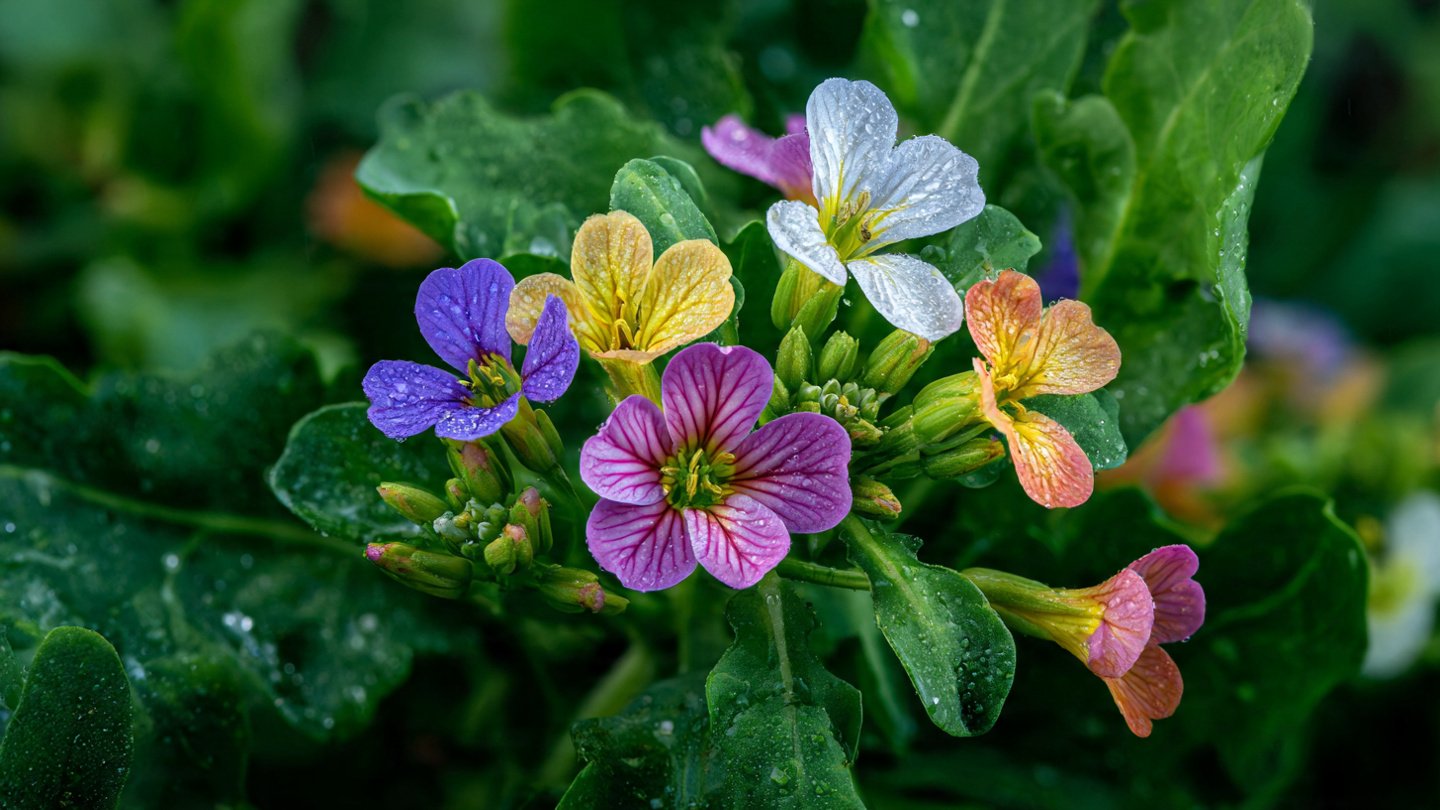
How to Grow Arugula Without Bitterness: Tips for a Flavorful Harvest
Arugula, also known as rocket or eruca, is a leafy green that has surged in popularity due to its peppery flavor and numerous health benefits. Often a staple in salads, it’s also a fantastic addition to pizzas, sandwiches, and smoothies. However, many home gardeners face the challenge of growing arugula without bitterness—a common issue when not cultivated under the right conditions. This article will provide comprehensive tips on how to cultivate sweet and tender arugula while avoiding that unwanted bitterness.
Understanding Arugula and Its Bitterness
Before delving into the cultivation of arugula, it’s vital to understand what causes bitterness in arugula. The primary culprits are environmental stressors:
- Temperature Fluctuations: High temperatures can lead to bolting, causing arugula to become bitter.
- Water Stress: Irregular watering schedules can stress the plants.
- Nutrient Imbalance: Inadequate nutrients can alter the flavor profile of your arugula.
- Age of the Plant: Overmature leaves are much more likely to be bitter.
Recognizing these factors will allow you to better control your growing environment.
Choosing the Right Variety
The first step towards growing flavorful arugula is selecting the right variety. Some types are bred specifically for milder flavors and less bitterness.
- ‘Astro’: Known for its tolerance to heat and slower bolting.
- ‘Wild Rocket’: A more robust variety that offers a peppery flavor without an overwhelming bitterness.
- ‘Eruca sativa’: This common variety is generally milder, especially when harvested young.
Choosing a variety that suits your climatic conditions and taste preference is essential for a satisfying harvest.
Ideal Growing Conditions
Creating optimal growing conditions is integral to producing sweet arugula.
1. Temperature
Arugula thrives in cooler temperatures, ideally between 45°F and 65°F. To avoid bitterness:
- Timing: Plant in early spring or fall when temperatures are milder. If you live in a warmer climate, consider planting early in the morning or late in the afternoon when the temperatures are cooler.
- Shade: Provide partial shade during the hottest parts of the day, especially if planting in summer.
2. Soil Quality
The soil directly affects the flavor of your arugula. Follow these soil guidelines:
- Well-Draining Soil: Use a light, well-draining soil with good organic matter to help maintain moisture.
- pH Levels: Aim for a pH level between 6.0 and 7.0, slightly acidic to neutral. Testing your soil may help determine if amendments are necessary.
- Nutrients: Enrich the soil with compost or a balanced fertilizer. High nitrogen levels can lead to lush growth but may also cause a stronger flavor; balance is key.
3. Watering
Adequate watering is vital, but overwatering can lead to root rot while underwatering increases stress levels, both of which contribute to bitterness.
- Consistency: Water consistently, ensuring that the soil remains moist but not soggy.
- Mulching: Applying mulch can help retain soil moisture and keep the roots cool, reducing stress from heat.
Proper Planting Techniques
To ensure a successful arugula crop, focus on proper planting techniques:
- Seed Depth: Plant seeds about ¼ inch deep. Over-planting can lead to competition among seedlings and contribute to stress.
- Spacing: Space seeds about 1-2 inches apart to allow for good air circulation. Thin the seedlings to at least 6 inches apart after they sprout.
- Succession Planting: Plant new seeds every two weeks to ensure a steady supply of tender leaves and to enjoy fresh crops over a more extended period.
Care and Maintenance
Once planted, arugula requires regular care:
- Fertilization: Use a balanced fertilizer every four to six weeks to ensure a constant supply of nutrients, but avoid over-fertilizing as this can lead to strong bitterness.
- Pruning: Regularly harvest outer leaves, promoting the growth of new leaves and preventing bitterness associated with old, mature leaves.
- Pest Management: Keep an eye out for pests like aphids and caterpillars. Use organic pest deterrents or introduce natural predators like ladybugs to manage infestations without harming the plants.
Harvesting Techniques
The timing of your harvest is crucial for flavor:
- Young Leaves: Aim to harvest when the leaves are young—generally about 4 to 6 inches long—as they tend to be the least bitter.
- Morning Harvest: Harvest in the morning when water content is highest and flavors are milder.
- Frequent Harvesting: Regularly picking leaves encourages continued growth. Remove no more than one-third of the plant at a time to maintain its health.
Dealing with Bitterness
If you find that your arugula is still turning out bitter, consider these strategies to manage this issue:
- Cooking: Lightly sautéing or wilting the leaves can mellow out their flavor.
- Mixing: Combine arugula with sweeter greens like spinach or lettuce to balance out its peppery bite.
Companion Planting and Pest Control
Companion planting can play a pivotal role in ensuring the health and flavor of your arugula:
- Beneficial Companions: Plant alongside carrots, radishes, and onions which can deter pests and promote healthy growth.
- Avoid Nightshades: Keep arugula away from crops like tomatoes and peppers, which may attract pests that affect arugula.
Seasonal Considerations
Timing your crops according to the seasons will help in maintaining flavor:
- Spring Planting: Early varieties should be planted as soon as the ground can be worked.
- Fall Planting: Late summer or early fall plantings can take advantage of cooler weather. Seeds planted in late summer can produce a second crop before the first frost.
Conclusion
Growing arugula without bitterness requires a combination of choosing the right variety, providing optimal growing conditions, regular maintenance, and timely harvesting. By understanding the factors that lead to bitterness and taking preventive measures, you can enjoy a flavorful harvest season after season. Whether you’re adding it to salads, sandwiches, or using it as a pizza topping, the satisfaction of growing your own arugula—full of concentrated flavor and free from bitterness—is truly rewarding.
Embrace the journey of growing arugula and savor the delights of your culinary endeavors, knowing that you can cultivate this robust leafy green to perfection. Adopt these practices, and soon enough, your garden could be your go-to source for vibrant, flavorful arugula that stands out in any dish.