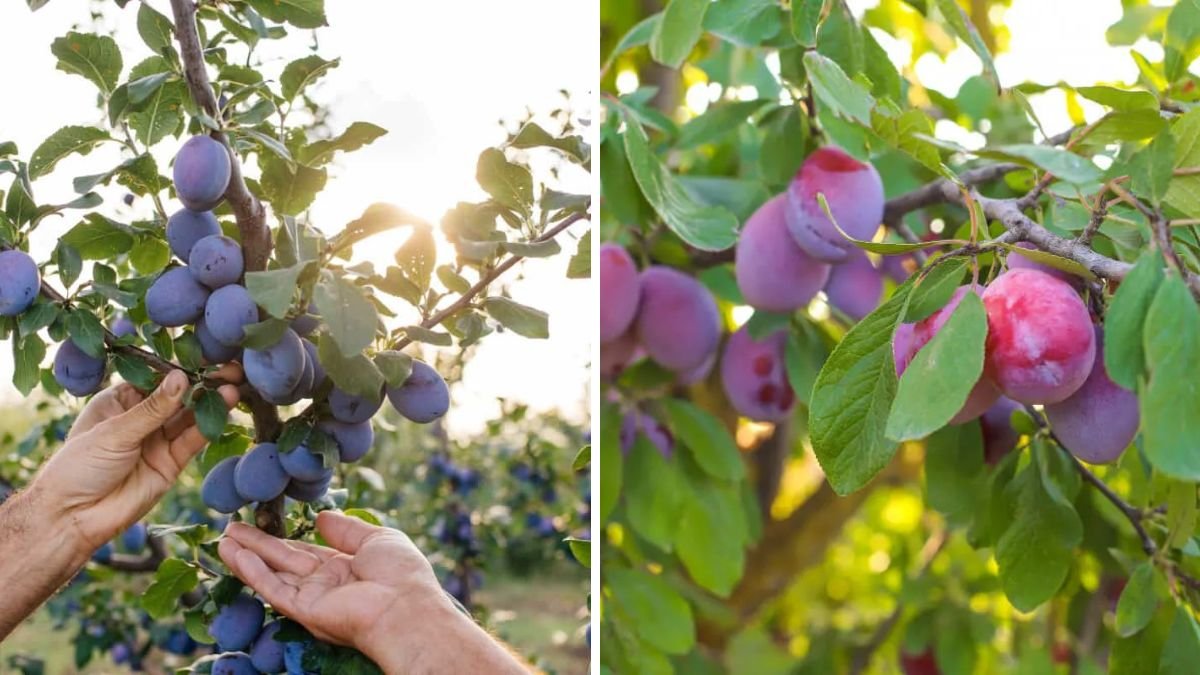
Introduction to Growing Plum Trees
Plum trees are one of the easiest and most rewarding fruit trees to grow at home. They produce sweet, juicy fruits packed with nutrients and antioxidants. Growing a plum tree allows you to enjoy fresh fruit straight from your garden. Plum trees adapt well to many climates and soil types. They can be grown in gardens or large containers. With proper care, they produce fruit for many years. This creative guide explains everything clearly for beginners. Growing plums at home saves money and ensures chemical-free fruit.
Understanding Plum Tree Varieties
Plum trees come in many varieties, including European and Japanese plums. European plums are hardy and suitable for cooler climates. Japanese plums grow faster and produce larger fruits. Choosing the right variety is important for success. Some varieties require cross-pollination, while others are self-fertile. Local climate determines the best selection. Understanding varieties helps maximize fruit yield. Correct selection ensures healthy growth and consistent harvests.
Climate and Location Requirements
Plum trees prefer moderate climates with distinct seasons. They require cold hours in winter to flower properly. Choose a location with full sunlight for at least six hours daily. Avoid low-lying areas prone to frost. Good air circulation reduces disease risk. Sheltered spots protect trees from strong winds. Proper location selection improves flowering. Climate awareness ensures successful fruit production.
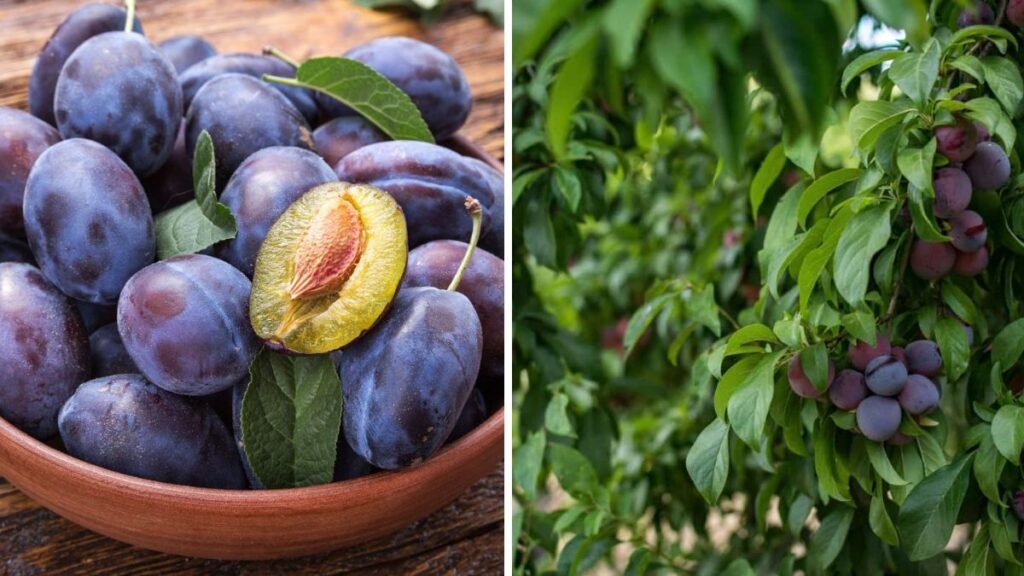
Soil Preparation for Plum Trees
Plum trees grow best in well-drained, fertile soil. Slightly acidic to neutral soil pH is ideal. Heavy clay soils should be amended with compost and sand. Organic matter improves soil fertility and moisture retention. Good drainage prevents root rot. Soil preparation before planting is crucial. Healthy soil supports strong roots. Proper soil leads to better fruit quality.
Choosing Healthy Plum Saplings
Select healthy saplings from a trusted nursery. Look for strong stems and disease-free leaves. Avoid plants with damaged roots or weak growth. Grafted plants fruit earlier than seed-grown ones. Local varieties perform better in regional climates. Inspect roots before planting. Healthy saplings establish quickly. Strong starting plants ensure long-term productivity.
Planting a Plum Tree Correctly
Dig a hole twice as wide as the root ball. Place the sapling gently and spread roots evenly. Fill with prepared soil and press lightly. Water thoroughly after planting. Avoid planting too deep. Mulch around the base to retain moisture. Proper planting ensures good establishment. Initial care influences future growth.
Watering Requirements
Plum trees need consistent watering during early growth. Soil should remain moist but not waterlogged. Deep watering encourages strong roots. Reduce watering once the tree is established. Overwatering causes root diseases. Underwatering leads to fruit drop. Seasonal adjustment is important. Balanced watering improves fruit size and sweetness.
Sunlight Needs for Healthy Growth
Plum trees thrive in full sunlight. Adequate sunlight improves flowering and fruit development. Shaded areas reduce yield. Morning sunlight is especially beneficial. Avoid planting near tall structures. Sunlight improves sugar content in fruits. Leaves use sunlight for photosynthesis. Proper exposure ensures healthy trees.
Fertilizing Plum Trees
Apply organic compost during planting. Use balanced fertilizers during the growing season. Nitrogen supports leaf growth, while potassium improves fruit quality. Avoid excessive fertilization. Overfeeding causes leafy growth with fewer fruits. Organic fertilizers are safer and sustainable. Fertilize at proper intervals. Balanced nutrition ensures consistent harvests.
Pruning and Shaping the Tree
Pruning is essential for plum tree health. Remove dead, weak, or crossing branches. Prune during dormant seasons. Proper pruning improves airflow and sunlight penetration. Shape the tree for easy harvesting. Avoid heavy pruning during fruiting. Regular pruning boosts yield. Well-shaped trees live longer.
Flowering and Pollination
Plum trees produce beautiful blossoms in spring. Some varieties need pollinators for fruit set. Bees play an important role in pollination. Planting multiple varieties improves fruiting. Weather affects pollination success. Avoid spraying chemicals during flowering. Healthy flowers lead to better fruit set. Pollination is key to productivity.
Fruit Development Stages
After pollination, small fruits form and grow gradually. Thinning excess fruits improves size and quality. Overloaded branches may break. Fruit growth takes several weeks. Proper watering supports development. Nutrient balance improves sweetness. Monitor fruit health regularly. Good care results in juicy plums.
Pest and Disease Management
Plum trees may attract aphids, caterpillars, and fungal diseases. Neem oil works as an organic solution. Proper pruning reduces disease spread. Avoid water on leaves to prevent fungus. Remove infected branches promptly. Healthy trees resist pests better. Regular monitoring is essential. Organic care keeps fruits safe.
Harvesting Plums at the Right Time
Plums are ready when fully colored and slightly soft. Harvest gently to avoid damage. Do not pull fruits forcefully. Regular harvesting improves tree productivity. Ripe plums have the best flavor. Harvest timing affects sweetness. Handle fruits carefully. Fresh plums taste superior.
Seasonal Care for Plum Trees
Provide extra water during dry seasons. Mulch in summer to retain moisture. Protect young trees from frost in winter. Reduce fertilization during dormancy. Seasonal care prevents stress. Adjust pruning based on season. Monitor tree health year-round. Seasonal awareness improves longevity.
Growing Plum Trees in Containers
Dwarf plum varieties grow well in containers. Use large pots with drainage holes. Container soil dries faster and needs regular watering. Fertilize more frequently than ground-grown trees. Prune to control size. Containers allow mobility. Balcony or terrace growing is possible. Container trees still produce quality fruits.
Table: Plum Tree Growing Guide
| Aspect | Requirement |
|---|---|
| Climate | Temperate with winter chill |
| Soil | Well-drained fertile soil |
| Sunlight | Full sunlight |
| Watering | Moderate and consistent |
| Fruiting time | Two to four years |
Benefits of Growing Plum Trees
Homegrown plums are fresh and chemical-free. They are rich in vitamins and antioxidants. Gardening improves mental well-being. Plum trees enhance garden beauty. Long-term productivity saves money. Fruit trees improve sustainability. Growing plums is rewarding. Healthy harvests support nutrition.
Long-Term Maintenance Tips
Continue annual pruning and fertilizing. Monitor soil health regularly. Replace mulch periodically. Watch for pests and diseases. Maintain proper watering. Repot container trees when needed. Consistent care ensures longevity. Healthy trees produce for decades.
Conclusion
Growing a plum tree at home is both simple and rewarding. With correct variety selection, soil preparation, and care, anyone can grow plums successfully. Regular pruning and balanced nutrition are essential. Patience brings sweet rewards. Homegrown plums offer superior taste and quality. Start your plum-growing journey today. Enjoy fresh fruits for years to come.