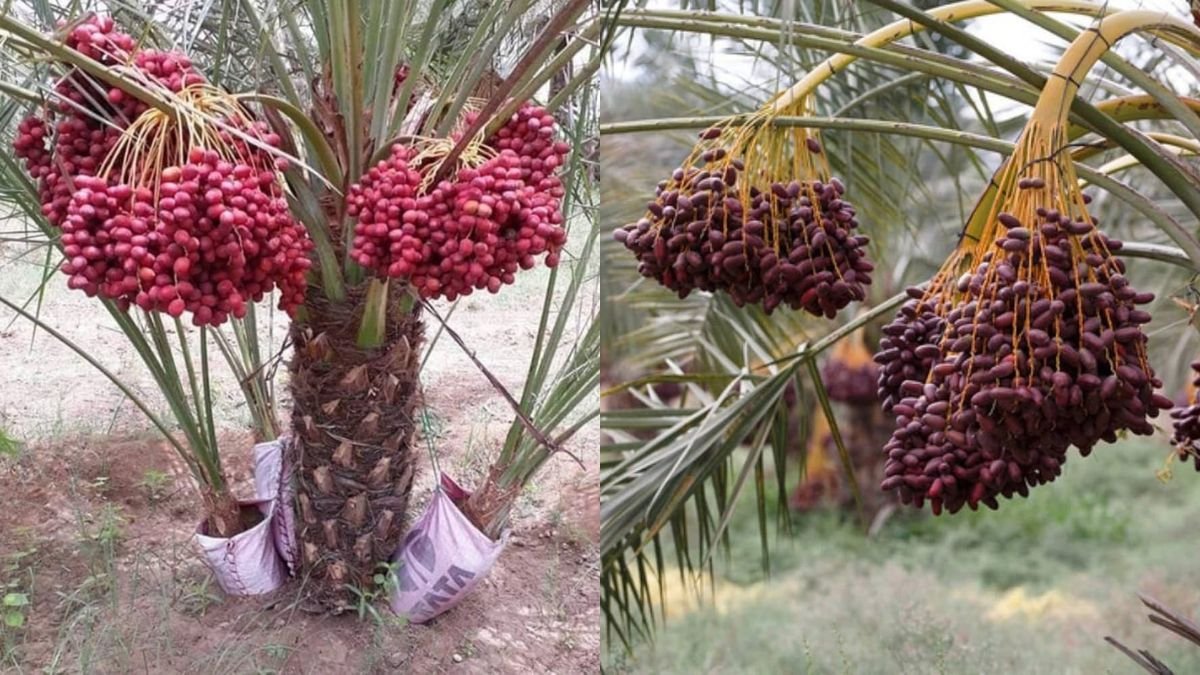
Introduction to Growing Date Plants from Seed
Growing a date plant from seed is a fascinating and educational process. Many gardeners enjoy watching a tree grow from a simple seed. Date palms are resilient and adapt well to home environments. This guide explains every step clearly. Beginners can follow it without confusion. With time and patience, success is achievable. Date plants add tropical beauty to homes. Understanding the basics is essential.
Why Grow Date Palms from Seed
Growing from seed is cost-effective and rewarding. It allows gardeners to control the plant’s early development. Seed-grown palms adapt better to their environment. This method is ideal for learning plant care. Watching growth from seed builds confidence. Date seeds are easily available. The process connects people with nature. It is perfect for home gardening projects.
Selecting Fresh Date Seeds
Freshness is crucial for successful germination. Choose seeds from ripe, untreated dates. Avoid dried or packaged dates. Clean the seeds thoroughly. Remove all fruit flesh completely. Healthy seeds increase success rates. Inspect for cracks or damage. Good selection saves effort later. Always start with quality.
Seed Cleaning and Soaking Method
Wash seeds in warm water. Soak them for two days. Change water daily to prevent fermentation. Soaking softens the hard shell. This encourages faster sprouting. After soaking, dry them briefly. This step improves germination significantly. Never skip seed preparation.
Germination Techniques Explained
Seeds can be germinated in soil or paper towels. Soil method is more natural. Paper towel method allows observation. Both methods work effectively. Keep moisture consistent. Warmth is essential. Germination takes patience. Avoid frequent checking. Let nature do its work.
Best Soil for Date Seedlings
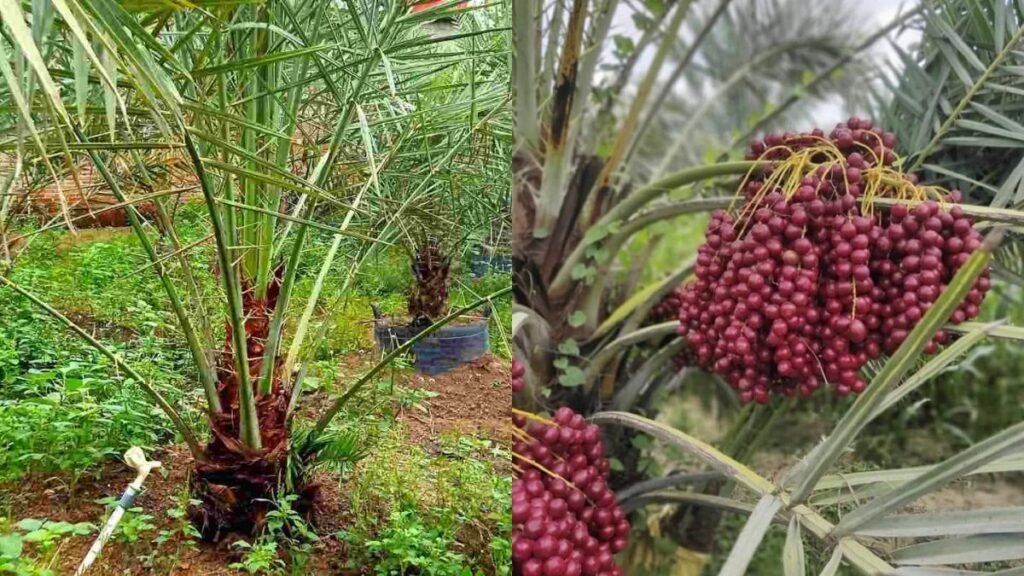
Soil should be loose and well-draining. A mix of sand, compost, and soil is ideal. Avoid heavy soil. Drainage prevents root rot. Organic matter improves nutrition. Healthy soil supports early growth. Soil quality affects long-term success. Invest in good soil.
Planting the Germinated Seed
Plant gently once the root appears. Place root downward. Cover lightly with soil. Do not press soil too hard. Water lightly after planting. Keep soil moist, not wet. Handle seedlings carefully. Damage slows growth.
Sunlight Requirements for Young Plants
Young date plants need bright light. Direct sunlight is best after establishment. Avoid harsh sun initially. Gradually increase exposure. Sunlight strengthens leaves. Indoor plants need windows or grow lights. Light affects growth speed. Balance is important.
Watering Young Date Palms
Water regularly but moderately. Overwatering causes root rot. Underwatering slows growth. Check soil moisture before watering. Use room-temperature water. Drain excess water. Consistent care keeps plants healthy. Watering habits define success.
Fertilizer for Seed-Grown Date Plants
Use mild organic fertilizer. Start feeding after three months. Fertilize monthly during growing season. Avoid chemical overuse. Nutrients support leaf development. Compost tea works well. Balanced feeding improves vigor. Healthy plants resist stress.
Transplanting to Larger Containers
As roots grow, transplant to larger pots. Choose deep containers. Repot carefully to avoid shock. Use fresh soil. Water after transplanting. Allow recovery time. Transplanting supports growth. Do not rush the process.
Outdoor Planting Guidelines
Outdoor planting suits warm climates. Choose sunny locations. Protect from strong winds. Soil preparation is essential. Outdoor palms grow faster. Ensure proper spacing. Mulching helps retain moisture. Outdoor care differs slightly.
Growth Rate and Expectations
Date palms grow slowly. Early growth focuses on roots. Leaves appear gradually. Do not expect fast results. Consistent care speeds growth. Understanding growth rate avoids frustration. Long-term commitment is required. Patience pays off.
Common Mistakes to Avoid
Overwatering is the biggest mistake. Poor drainage kills seedlings. Lack of sunlight weakens plants. Excess fertilizer burns roots. Ignoring temperature affects growth. Learn from mistakes early. Correct issues promptly. Prevention is easier than cure.
Pest and Disease Management
Indoor palms rarely face pests. Outdoor palms may attract insects. Neem oil is effective. Keep leaves clean. Good airflow prevents disease. Healthy plants resist pests. Early detection helps. Natural methods are preferred.
Table: Date Plant Care Overview
| Care Aspect | Recommendation |
|---|---|
| Seed Type | Fresh, organic dates |
| Soil | Sandy, well-draining |
| Light | Bright sunlight |
| Water | Moderate, regular |
| Growth Time | Slow, long-term |
Long-Term Care of Date Trees
As trees mature, care becomes easier. Reduce watering frequency. Fertilize seasonally. Prune old leaves carefully. Monitor growth annually. Provide space. Mature palms are low maintenance. Long-term care ensures longevity.
Can Seed-Grown Palms Produce Fruit?
Yes, but it takes many years. Both genders are required. Pollination is necessary. Home fruiting is rare but possible. Focus on healthy growth first. Fruit production is secondary. Enjoy the journey. Results come with time.
Environmental Benefits of Date Trees
Date palms improve air quality. They provide shade and beauty. Trees reduce stress. Gardening promotes sustainability. Date palms symbolize resilience. They enhance home landscapes. Growing trees benefits the planet. Small actions matter.
Conclusion
Growing a date palm from seed at home is deeply satisfying. It teaches patience and care. With the right steps, anyone can succeed. Focus on soil, water, and sunlight. Avoid common mistakes. Enjoy watching your tree grow. Date palms are lifelong companions. Start planting today.