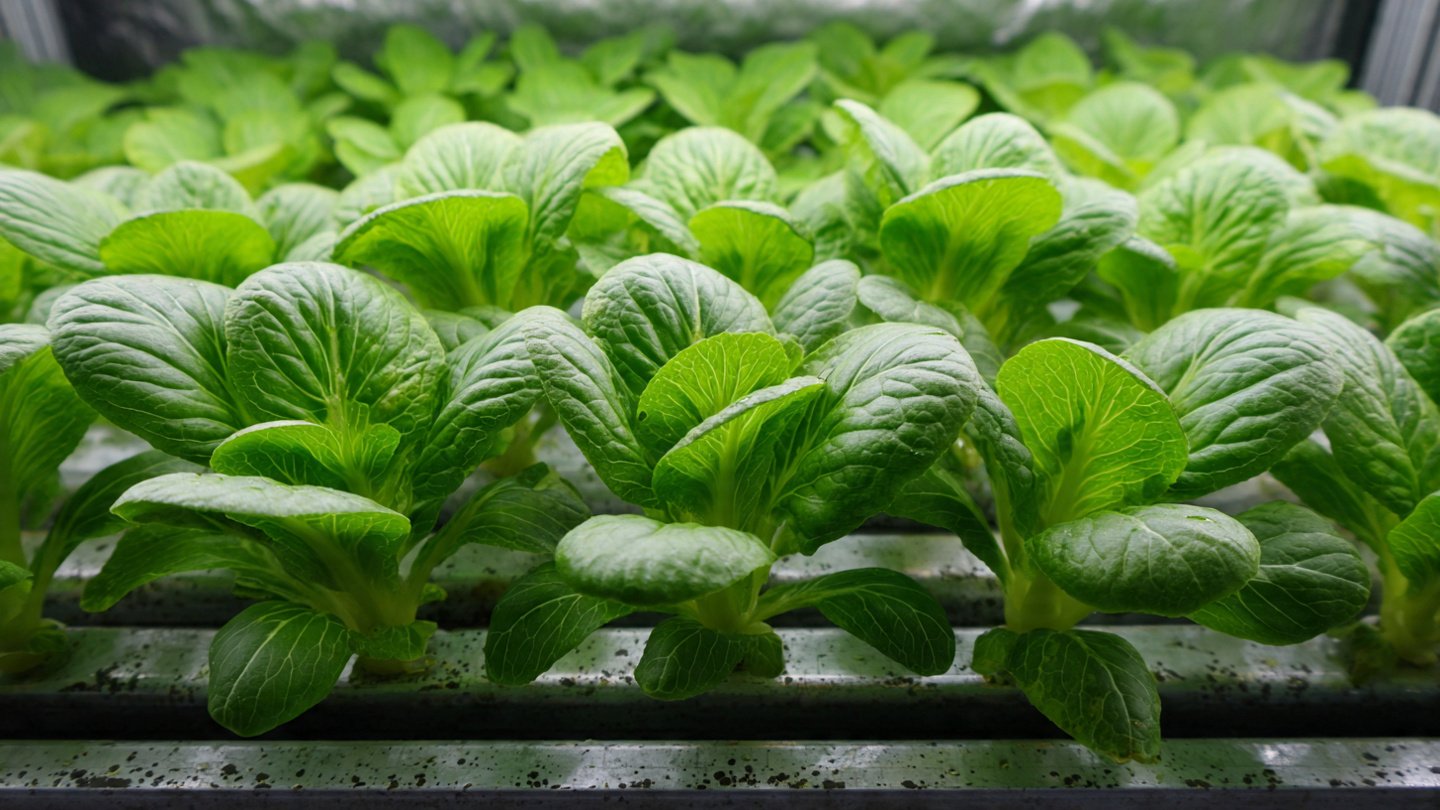
Asian greens, known for their vibrant flavors and nutritional benefits, have gained popularity among home gardeners and chefs alike. However, one common challenge that gardeners face is the issue of bolting. Bolting occurs when plants prematurely produce flowers and seeds, often leading to tough and bitter greens that are less palatable. In this article, we will explore the best practices to cultivate Asian greens effectively while minimizing the risk of bolting.
Understanding Bolting
Before delving into solutions for preventing bolting, it is essential to understand what causes this phenomenon. Bolting primarily occurs due to environmental stressors, particularly temperature, day length, and water availability. When conditions favor rapid growth or when the plant feels threatened, such as by high temperatures or drought, it may prioritize reproduction over leaf production.
The Science Behind Bolting
Asian greens, including bok choy, mustard greens, and tatsoi, are sensitive to changes in their environment. These plants are often classified as cool-weather crops, thriving in the spring and fall. Factors influencing their growth cycle include:
- Temperature: High temperatures can trigger bolting, especially when daytime temperatures exceed 75°F (24°C).
- Day Length: Longer days typical of summer can signal the plant to flower.
- Water Stress: Inconsistent watering can stress plants, pushing them towards bolting.
Selecting the Right Varieties
Choosing bolt-resilient varieties is the first step toward preventing premature flowering. Certain Asian greens are bred specifically to resist bolting. Here are a few varieties to consider:
- Bok Choy: Select hybrid varieties known for their slower bolting.
- Mustard Greens: Some mustard greens have been bred for improved heat tolerance.
- Tatsoi: Look for cold-tolerant hybrids, which can endure fluctuating temperatures.
When purchasing seeds, check for descriptions that mention bolt resistance, resilience to heat, or suitability for your growing zones.
Ideal Growing Conditions
To grow Asian greens without bolting, creating the optimal growing environment is vital.
1. Soil Preparation
Healthy soil is the foundation of successful gardening. Asian greens prefer rich, well-draining soil with a pH range between 6.0 and 7.0.
Tips for Soil Preparation:
- Organic Matter: Incorporate compost or well-rotted manure into the soil to improve nutrient content and drainage.
- Mulching: Apply a layer of organic mulch to retain soil moisture and maintain a stable temperature.
2. Temperature Control
Keeping Asian greens at the right temperature is crucial for growth.
Strategies for Temperature Management:
- Timing: Plant your greens in early spring or late summer to avoid the hottest summer months.
- Shade Cloths: Use shade cloths to reduce direct sunlight during peak summer heat.
- Row Covers: Utilize row covers to protect young seedlings from unexpected temperature spikes.
3. Watering Practices
Inconsistent watering is a major factor that contributes to bolting.
Best Watering Practices:
- Regular Schedule: Water consistently, ensuring the soil remains moist but not waterlogged.
- Deep Watering: Water deeply and less frequently to encourage deep root growth.
- Drip Irrigation: Consider installing a drip irrigation system to maintain consistent soil moisture.
Maintaining Ideal Growth Conditions
Ensuring that your Asian greens grow strong and healthy while minimizing stress factors can contribute significantly to preventing bolting.
Fertilization Practices
Asian greens require adequate nutrients for optimal growth.
Guidelines for Fertilization:
- Balanced Fertilizers: Use fertilizers with nitrogen, phosphorus, and potassium in balanced proportions.
- Timing: Fertilize before planting and again when plants are about 4-6 weeks old.
- Organic Options: Consider organic fertilizers like fish emulsion or seaweed extract.
Pest and Disease Management
Pests and diseases can cause stress to plants, pushing them toward bolting.
Integrated Pest Management (IPM) Strategies:
- Companion Planting: Grow companion plants that deter pests, such as marigolds with your Asian greens.
- Regular Monitoring: Inspect plants regularly for signs of pests or disease.
- Organic Treatments: Use organic pesticides or neem oil as needed, ensuring they are safe for edible plants.
Harvesting Techniques
Proper harvesting techniques can also impact whether or not your Asian greens bolt.
1. Timing Your Harvest
Knowing when to harvest can help prevent bolting.
- Maturity Check: Harvest when leaves are still young and tender. Most Asian greens are best when harvested at 4 to 6 inches tall.
- Frequent Harvesting: For leafy varieties like bok choy, harvesting the outer leaves encourages new growth and delays flowering.
2. Cutting Techniques
How you cut your greens can impact regrowth.
- Cut Just Above the Base: Use sharp, clean scissors or scissors to cut stems just above the base of the plant. This stimulates fresh growth and can prolong the harvest season.
- Avoid Topping Off: Avoid cutting the central growing point, as this can stress the plant and induce bolting.
Extending the Growing Season
Taking advantage of favorable seasons can enhance your success with Asian greens.
1. Successive Planting
Implement a successive sowing schedule to ensure continuous harvests.
- Stagger Plantings: Sow seeds every couple of weeks for a continuous supply of fresh greens.
- Timing for Spring and Fall: Plant in early spring and late summer to capture the optimal growing conditions.
2. Greenhouses and Cold Frames
If you’re in an area with a short growing season, consider using protective structures.
- Greenhouses: Allow for year-round cultivation but monitor temperatures closely.
- Cold Frames: Extend the fall harvest by protecting plants from early frost.
Conclusion
Successfully growing Asian greens without bolting requires a nuanced understanding of plant behavior and environmental conditions. By selecting bolt-resistant varieties, providing optimal soil, temperature, and water conditions, and adopting effective pest and harvesting strategies, gardeners can enjoy a bountiful harvest of these deliciously nutritious greens. Whether you’re a seasoned gardener or a beginner, implementing these techniques will enhance your gardening experience and ensure a fruitful yield of Asian greens year-round.
By fostering healthy growing practices and being mindful of your plants’ needs, you can create an environment where bolting becomes a rarity rather than a norm. Happy gardening!