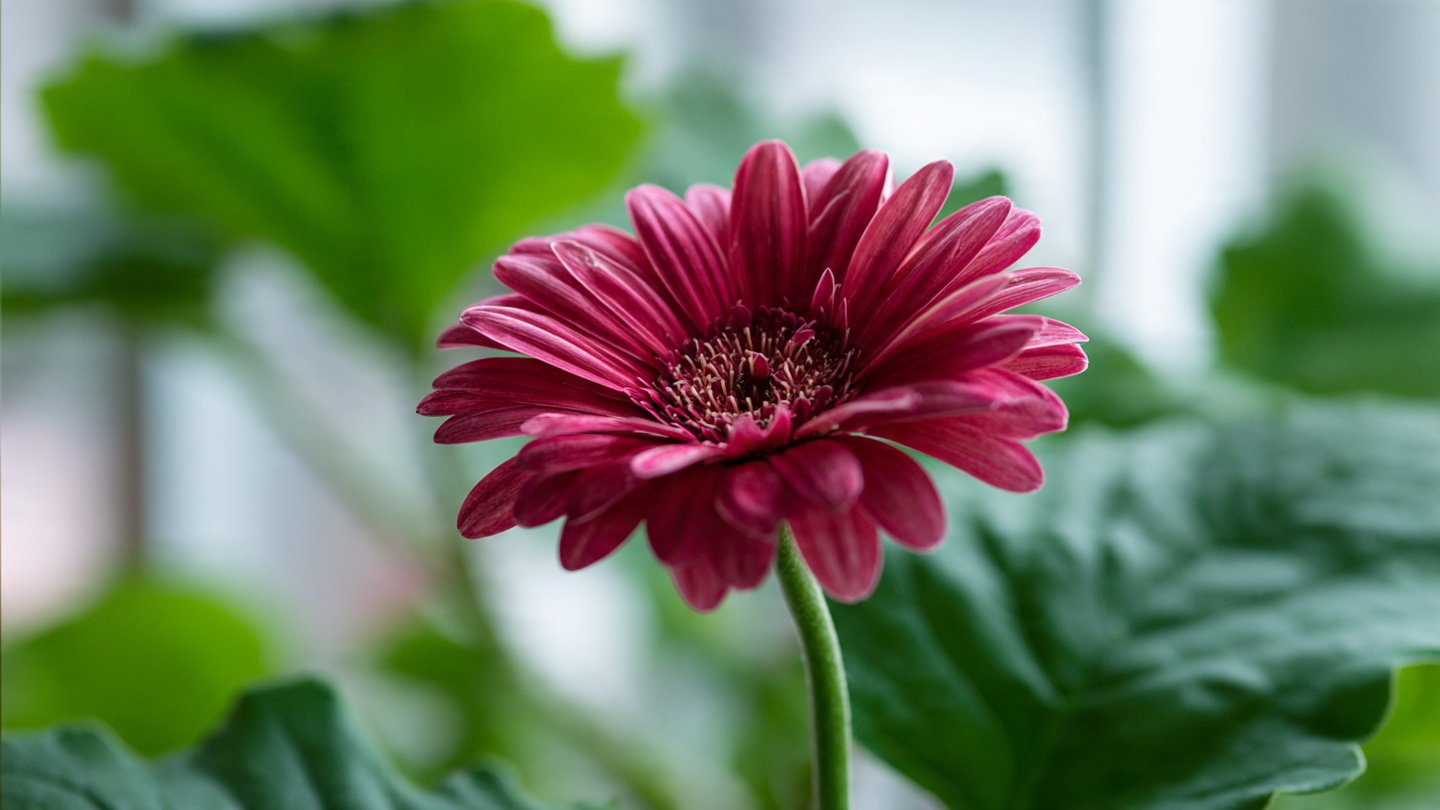
How to Ensure Healthy Gerbera Growth: The Simple Way to Prevent Root Rot
Gerbera daisies, known for their cheerful, vibrant blooms, are a favorite among gardeners and floral enthusiasts alike. These stunning flowers add a splash of color to any landscape, making them a popular choice for gardens, borders, and bouquets. However, like any plant, gerberas can suffer from various issues, with root rot being one of the most detrimental. Preventing root rot is critical to ensuring the overall health and longevity of your gerbera daisies. This article will explore effective strategies to nurture healthy gerbera growth while preventing root rot.
Understanding Root Rot
Root rot is a condition that occurs when the roots of a plant become waterlogged and submerged in excessive moisture, leading to fungi and disease. It typically manifests when the soil does not drain properly. Gerbera daisies are particularly susceptible to root rot due to their delicate root systems. As root rot progresses, plants may display symptoms such as yellowing leaves, wilting, stunted growth, and, in severe cases, they may die altogether.
Key Factors Leading to Root Rot
Understanding the factors that contribute to root rot is essential. Here are some common causes:
- Poor Drainage: Soil that retains excess moisture is a leading cause of root rot. Gerberas thrive in well-draining soil that allows excess water to escape easily.
- Overwatering: One of the most common mistakes gardeners make is overwatering. Excessive moisture can choke the roots and create a breeding ground for harmful pathogens.
- Fungal Infections: Some pathogens, such as Pythium and Phytophthora, thrive in wet conditions and can attack the roots of gerberas, leading to rot.
- Container Size: Using pots that are too large for the plants can trap moisture within the soil. This stagnant water can lead to root decay.
Soil Selection
Choosing the right soil is the first step in ensuring healthy gerbera growth. Gerberas prefer well-draining potting mixes that provide adequate aeration:
- Potting Mixes: A commercial potting mix designed for flowering plants is usually a safe choice. Look for mixes that contain perlite or vermiculite, which help improve drainage.
- Self-Made Mixes: If you prefer to make your mix, a combination of peat moss, perlite, and sand in equal parts can work wonders. This mix allows for good drainage while retaining necessary moisture.
- pH Level: Gerbera daisies thrive in slightly acidic to neutral soil with a pH level between 6.0 and 7.0. Regularly test the soil to ensure it meets this requirement.
Choosing the Right Pot
When potting your gerbera daisies, selecting the right container is paramount. Here’s how to make sure your pots are conducive to healthy roots:
- Drainage Holes: Always select pots with drainage holes at the bottom. This allows excess water to escape and prevents the accumulation of moisture.
- Size Matters: Avoid pots that are too large. A container that is slightly larger than the root ball of the plant is ideal as it helps prevent water retention.
- Material: Terracotta pots are excellent for plants like gerberas, as they are porous and allow moisture to evaporate, whereas plastic pots can retain more water.
Proper Watering Techniques
Watering is crucial to the health of gerbera daisies. Here are some best practices to prevent overwatering:
- Watering Schedule: Set a regular watering schedule based on the season. Generally, gerbera daisies need more frequent watering in warmer months and less during cooler months.
- Soil Moisture Check: Before watering, check the top inch of soil. If it feels dry, it’s time to water. If it’s still moist, wait a couple of days before checking again.
- Deep Watering: When watering, aim to soak the soil thoroughly, allowing water to flow out of the drainage holes. This ensures that the entire root system is hydrated while avoiding standing water.
- Temperature and Timing: Water in the early morning to minimize evaporation and protect the roots from thermal shock. Avoid watering in the evening; this can lead to moisture accumulation overnight.
Fertilization
Nutritional balance plays a role in the overall health of gerbera daisies and can influence their resilience against root rot:
- Balanced Fertilizers: Use a balanced water-soluble fertilizer high in potassium during the growing season to promote strong root development without encouraging excessive leaf growth.
- Dilution: When applying fertilizer, dilute it to half strength to avoid “burning” the roots, especially if the soil has remained wet.
- Frequency: Fertilize every 4-6 weeks during the active growing season and reduce or stop during dormancy.
Sunlight and Temperature
Gerbera daisies love bright, indirect sunlight. Too much direct sunlight can lead to stress and an increased need for water, while too little can hinder growth. Here’s what to remember:
- Light Conditions: Place your gerbera daisies in a spot with filtered sunlight for several hours a day. A south or east-facing window is ideal.
- Temperature Range: Gerbera daisies thrive in temperatures ranging from 60°F to 75°F (15°C to 24°C). Avoid extreme temperature fluctuations, which can stress the plants and make them more susceptible to diseases.
Observing for Signs of Rot
Regularly inspect your gerbera daisies for early signs of root rot. Act quickly to prevent further damage:
- Wilting and Yellowing: If leaves begin to wilt or yellow despite watering, check the roots for signs of rot.
- Soil Smell: A sour or musty smell from the soil can indicate underlying issues.
- Leaf Drop: Sudden leaf drop, particularly from younger plants, may signal rot.
Dealing with Root Rot
If you notice signs of root rot, take immediate action to salvage your plant:
- Remove the Plant: Carefully remove the gerbera from its pot. Check the roots for mushy or brown parts.
- Prune Affected Roots: Use clean, sharp scissors to trim away any diseased roots. This helps prevent the spread of pathogens.
- Disinfect the Pot: Clean the pot with a solution of one part bleach to ten parts water. Rinse thoroughly before repotting.
- Repot the Plant: Use fresh, well-draining soil and follow the potting guidelines outlined earlier. Ensure you choose a pot with drainage holes.
- Adjust Watering: Reduce your watering frequency until the plant shows signs of recovery.
Preventative Measures
To keep your gerbera daisies thriving and to prevent root rot effectively, implement preventative measures:
- Rotating Plants: If growing multiple plants, rotate them to avoid localized overwatering, which can lead to rot.
- Regular Maintenance: Regularly check for pests and diseases, remove dead or dying leaves, and keep the growing area clean.
- Time Release Fertilizers: Consider using time-release fertilizers, which help to stabilize the nutrient levels in the soil without the need for frequent watering.
- Crowding: Space gerbera daisies appropriately in the garden or pot to ensure adequate airflow and reduce humidity levels around the plants.
Conclusion
Preventing root rot is a vital component of cultivating healthy gerbera daisies. Understanding the dynamics of water, soil, light, and nutrition can help you maintain the vibrant blooms these flowers are known for. By following the simple strategies outlined in this article, you can create an environment conducive to robust gerbera growth while effectively averting the perils of root rot. With careful attention to detail, you’ll enjoy a dazzling display of color in your garden for many seasons to come.