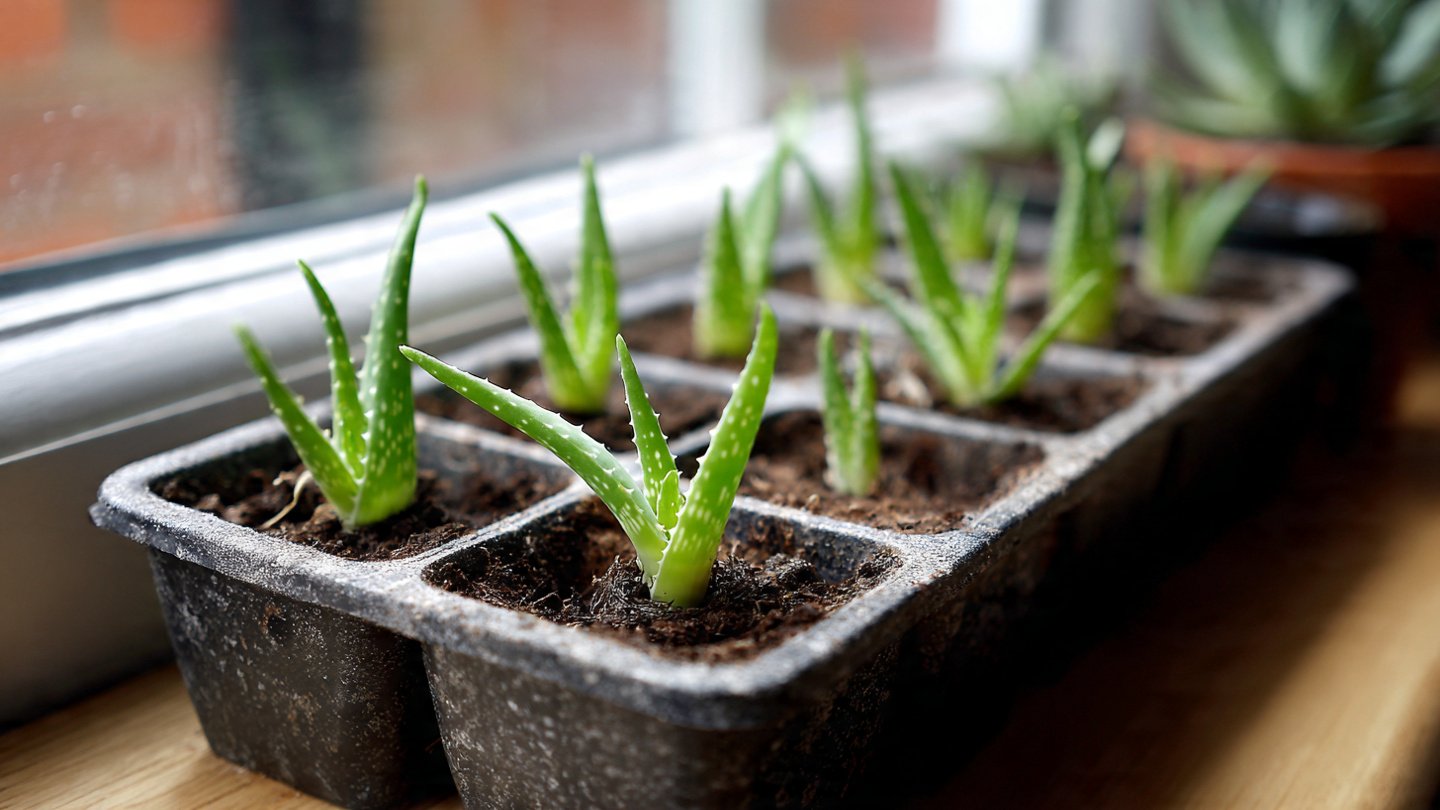
Aloe vera is a versatile and medicinal succulent plant that has been cherished for centuries for its healing properties and ease of care. One of the most rewarding aspects of growing aloe vera is propagating the plant through its “baby” plants, also known as pups or offsets. These small plantlets grow around the base of the mature aloe vera and can be separated and nurtured into independent plants. Propagating aloe vera from baby plants is an easy and cost-effective way to expand your collection or share with friends. This guide will walk you through the entire process—from separation to care—so you can successfully grow healthy aloe vera baby plants.
Understanding Aloe Vera Baby Plants
Aloe vera baby plants are young offshoots produced by a mature aloe vera plant. These pups grow from the base or roots of the parent plant. They develop their own root systems and can survive independently once separated. Aloe vera offsets can vary in size but are usually a few inches tall and have several thick, fleshy leaves.
Separating and potting these baby plants not only encourages healthy growth but also prevents overcrowding, which can inhibit the parent plant’s development. With proper care, aloe vera pups grow into mature plants capable of producing their own pups.
When to Separate Aloe Vera Baby Plants
The ideal time to separate aloe vera pups is during the spring or early summer when the plant is actively growing. This timing allows the pups to establish roots quickly and adapt to their new environment. Aloe babies that are at least 3-4 inches tall with several leaves and a well-formed root system are prime candidates for separation.
Avoid separating pups that are too small or weak, as they may struggle to survive on their own. Also, if the mother plant appears stressed or unhealthy, wait until it recovers before attempting to separate the pups.
Tools Needed to Separate Aloe Vera Baby Plants
Before starting, gather the following tools:
- A clean, sharp knife or garden shears
- A small trowel or spoon (for digging)
- Clean pots or containers with drainage holes
- Well-draining succulent or cactus potting mix
- Gloves (optional, for protection against the plant’s sap)
Ensuring clean tools will help prevent infection or damage to the plants.
Step-by-Step Guide to Separating Aloe Vera Baby Plants
Step 1: Prepare the Parent Plant
Water the parent aloe vera plant a day before separating pups to help loosen the soil. On the day of separation, carefully remove the plant from its pot or loosen the soil around the base if it is already planted in the ground.
Step 2: Locate the Baby Plants
Gently brush away the soil from around the base of the parent plant to reveal the baby plants and their roots. Aloe vera pups often grow attached to the stem or root system of the parent plant.
Step 3: Separate the Baby Plants
Using your hands or a small gardening tool, gently separate the baby plants from the parent plant. If needed, use a clean, sharp knife or garden shears to cut the connecting roots or stems. Make sure to leave some roots attached to the baby plant for better establishment.
Step 4: Inspect the Pups
Check the separated pups for any signs of damage, rot, or disease. Remove any dead or unhealthy leaves. Allow the pups to dry for a day or two in a shaded, airy spot to let any cut surfaces callous over. This reduces the risk of rot when they are potted.
Step 5: Prepare Potting Containers
Fill pots or containers with a well-draining succulent or cactus potting mix. Aloe vera plants require fast-draining soil to prevent root rot. Adding perlite or sand to a regular potting mix can improve drainage.
Step 6: Plant the Baby Plants
Place each pup in its own pot and cover roots with soil, pressing lightly to secure the plant. Avoid burying the leaves in the soil.
Step 7: Water Sparingly
After planting, lightly water the soil to settle it around the roots. Avoid overwatering; aloe vera prefers dry conditions and too much water can cause root rot.
Caring for Aloe Vera Baby Plants
Light
Aloe vera baby plants thrive in bright, indirect sunlight. Place them near a sunny window or in a location where they receive 6-8 hours of light daily. Avoid direct, harsh sunlight initially, as young pups can get sunburned.
Watering
Water aloe vera pups sparingly. Allow the top inch of the soil to dry out before watering again. Typically, watering once every 2-3 weeks is sufficient but may vary based on your climate and indoor conditions.
Soil
Use well-draining soil specifically formulated for succulents or cacti. This ensures that water does not cling to the roots and cause rot.
Temperature and Humidity
Aloe vera prefers temperatures between 55°F to 80°F (13°C to 27°C). They can tolerate dry air and do not require high humidity, making them perfect for indoor environments.
Fertilizing
Aloe vera plants do not need heavy feeding. During the growing season (spring to summer), feed the baby plants once a month with a diluted balanced fertilizer or succulent fertilizer.
Repotting
As aloe vera pups grow, they may outgrow their pots. Repot them every 1-2 years into a slightly larger container to provide more room for root expansion.
Common Problems and How to Avoid Them
- Overwatering: Causes root rot; ensure soil dries out between watering.
- Pests: Watch for mealybugs, aphids, and spider mites; treat infestations with insecticidal soap or neem oil.
- Sunburn: Gradually acclimate aloe pups to direct sunlight.
- Poor Growth: Ensure proper drainage, light, and avoid overfertilization.
Propagation Benefits
Separating and caring for aloe vera baby plants has multiple benefits:
- Cost-effective: Expand your aloe plant collection without buying new plants.
- Gifting: Share healthy pups with friends and family.
- Plant Health: Reduces overcrowding, promoting healthier parent and offspring plants.
- Satisfaction: Enjoy the rewarding process of propagation and nurturing.
Final Tips for Success
- Always use clean tools to avoid infections.
- Be patient; aloe vera grows slowly.
- Monitor the plants regularly for signs of stress.
- Use pots with good drainage to avoid waterlogging.
- Enjoy the process and experiment with different environments to find what suits your aloe vera best.
Separating and caring for aloe vera baby plants is a simple and enjoyable gardening task. With a little patience and attention, you can multiply your aloe vera collection, enjoy fresh plants for their medicinal benefits, and add green beauty to your home. Happy gardening!