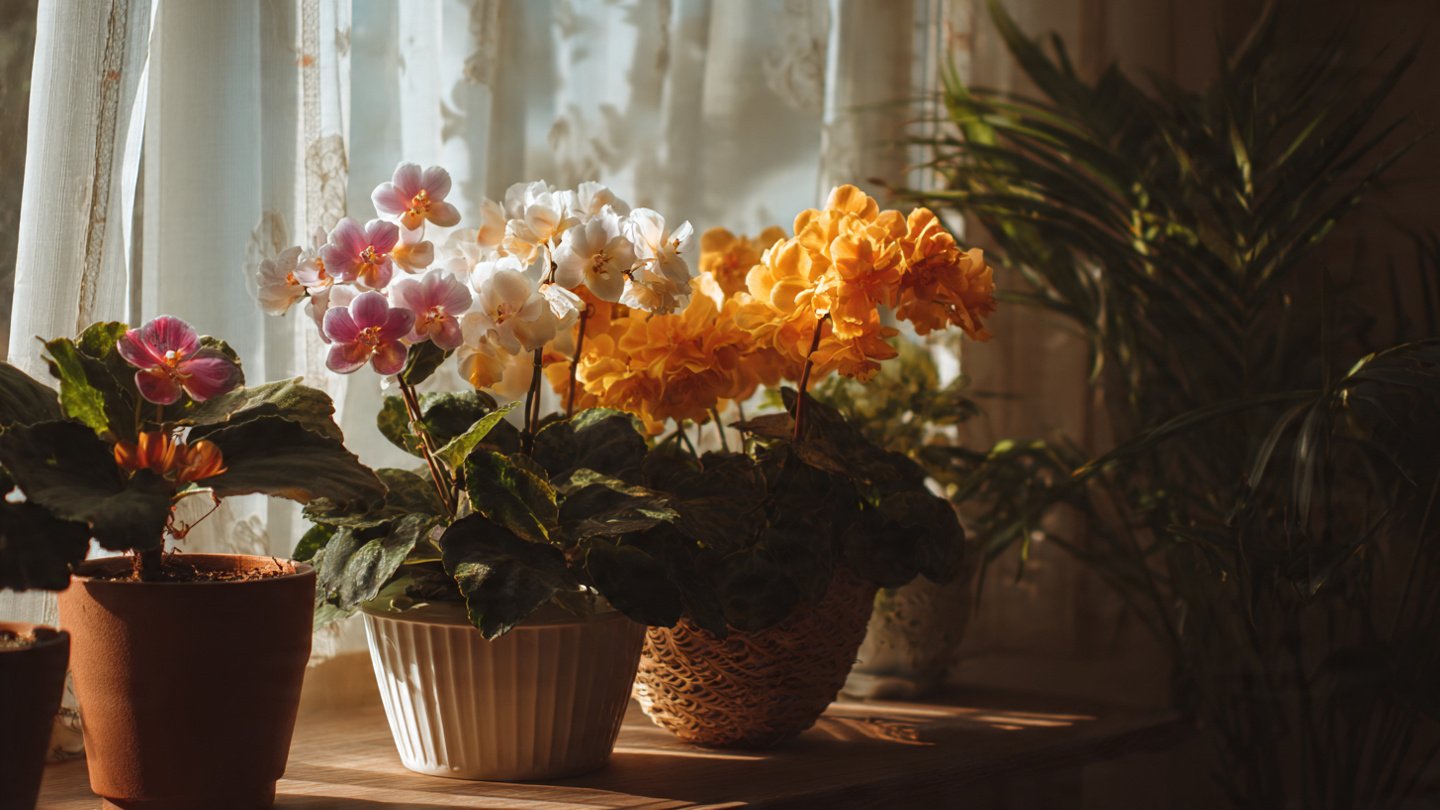
Bringing seasonal flowers into your home is one of the simplest and most delightful ways to add color, vibrancy, and life to your living space. The joy of nurturing plants, coupled with the sheer beauty of blooming flowers, turns any indoor environment into a sanctuary. This article provides a thorough guide on growing seasonal indoor flowers with ease, giving you everything you need to know to create a flourishing indoor garden.
1. Understanding Seasonal Flowers
Seasonal flowers are plants that bloom at specific times of the year, influenced by various factors such as temperature, light, and humidity. Understanding the blooming cycles of different flowers will enable you to select the most suitable varieties for your indoor garden at various times of the year.
-
Spring: Tulips, daffodils, and hyacinths are common spring flowers that herald the arrival of warmer weather.
-
Summer: Sunflowers, geraniums, and zinnias thrive in the summer months, bringing bright colors to your home.
-
Autumn: Mums, asters, and cyclamens are great choices for fall, offering rich hues and textures.
-
Winter: Poinsettias, amaryllis, and paperwhite narcissus bloom in winter, adding cheer to the colder months.
By planning your indoor garden around these seasons, you can enjoy a continuous display of flowers throughout the year.
2. Choosing the Right Flowers
When selecting seasonal flowers for indoor cultivation, consider the following factors:
-
Light Requirements: Some flowers, like sunflowers, require full sun, while others, such as ferns, thrive in shaded conditions. Assess the lighting in your home to make the best choices.
-
Space Availability: Larger plants need more space. Ensure that you have enough room on windowsills, tables, or shelves for the flowers you choose.
-
Watering Needs: Different flowers need varying amounts of water. Make sure you can meet these needs to avoid wilting or overwatering.
Recommended Seasonal Indoor Flowers
-
Spring:
- Tulips: Known for their vibrant colors, tulips require bright indirect light and well-draining soil.
- Daffodils: These hardy bulbs can survive in lower light and typically require less frequent watering.
-
Summer:
- Geraniums: They thrive in sunny locations and need moderate watering.
- Zinnias: Easy to grow from seed, zinnias are colorful and resilient, perfect for brightening a sunny windowsill.
-
Autumn:
- Mums: These come in various colors and are relatively easy to care for, preferring bright light and regular watering.
- Asters: Famed for their daisy-like appearance, they thrive in full sun but can adapt to partial shade.
-
Winter:
- Poinsettias: Iconic during the holiday season, they thrive in bright light but should not be overwatered.
- Amaryllis: These come in various colors and bloom beautifully in winter when given adequate light and moisture.
3. Essential Tools and Supplies
To successfully grow seasonal indoor flowers, gather the following tools and supplies:
-
Containers: Choose pots with drainage holes to prevent overwatering. Fabric pots are an excellent option for healthy root growth.
-
Potting Mix: Use a quality potting mix specific for indoor plants. Ensure it is well-draining and suited for the type of flowers you are growing.
-
Watering Can: A watering can with a long spout allows for precision in watering without spilling.
-
Fertilizers: Opt for balanced fertilizers or specific flower fertilizers to provide your plants with the necessary nutrients.
-
Pruning Shears: These will help you maintain your plants by removing dead parts and encouraging new growth.
4. Planting Your Flowers
Once you have chosen the flowers and gathered your supplies, it’s time to plant. Follow these simple steps:
Preparation
-
Select Containers: Ensure your pots are clean and have proper drainage.
-
Moisten Potting Mix: Lightly moisten your potting mix to eliminate any dry patches.
Planting
-
Fill with Potting Mix: Fill each container to about three-quarters full with the potting mix.
-
Plant Bulbs or Seeds:
- For bulbs like tulips or daffodils, plant them at a depth of about twice their height.
- For seeds, refer to the packet for planting depth and spacing requirements.
-
Cover and Water: Cover bulbs or seeds lightly with soil, then water gently.
Placement
- Place your newly potted flowers in locations optimized for their lighting needs. A south-facing window is ideal for most flowering plants, while shaded areas work for others.
5. Caring for Your Indoor Flowers
With your flowers planted, proper care will ensure they thrive:
Watering
-
Consistency: Stick to a regular watering schedule, typically every 1-2 weeks. Check the top inch of the soil; if it feels dry, it’s time to water.
-
Technique: Water slowly to allow it to seep into the roots without causing runoff.
Light
-
Rotate Plants: Rotate your pots every few weeks to ensure even growth, as plants will naturally lean toward light sources.
-
Supplemental Lighting: If your home lacks natural light, consider using grow lights to mimic sunlight.
Fertilizing
- Schedule: Use a balanced fertilizer every 4-6 weeks during the growing season. Always follow package instructions to avoid over-fertilizing.
Pruning
-
Trim Regularly: Pruning dead or yellow leaves encourages new growth and keeps your plants healthy.
-
Deadheading: Remove spent flowers to promote new blooms and extend the flowering period.
6. Troubleshooting Common Issues
Even with the best intentions, challenges may arise. Here are some common issues and how to address them:
Yellowing Leaves
- Cause: Often due to overwatering or insufficient light.
- Solution: Adjust your watering schedule and ensure adequate light.
Wilting Flowers
- Cause: Lack of water or humidity.
- Solution: Check soil moisture and consider misting your flowers for added humidity.
Pests
- Signs: Look for discolored leaves, sticky residue, or visible bugs.
- Solution: Use insecticidal soap or neem oil to eliminate pests without harming the plants.
7. Seasonal Transition Strategies
As seasons change, so do the flowers that thrive. Here’s how to transition your indoor garden smoothly:
-
Planning for Next Season: Research which flowers will bloom next and start seeds indoors according to their growing timelines.
-
Repotting: As plants grow, they may outgrow their containers. Repot them into larger vessels with fresh potting mix.
-
Stagger Planting: Stagger your planting so that you have constant blooms throughout the year. Plant flowers that will mature at different times.
8. Enjoying Your Indoor Flower Garden
Now that you’ve successfully grown seasonal flowers, it’s time to enjoy the fruits of your labor. Consider these ideas:
-
Arrangements: Create beautiful floral arrangements to display throughout your home. Fresh flowers in vases instantly elevate any space.
-
Gift Giving: Share your blooms with friends or family. A potted flower makes a thoughtful gift.
-
Create a Space: Dedicate a corner or table in your home as a flower display area. This creates a focal point and enhances the aesthetics of your living space.
Conclusion
Growing seasonal indoor flowers is not just a hobby; it’s a form of self-care and expression that brings beauty and tranquility into your home. With the right flowers, care techniques, and a bit of patience, you can cultivate a stunning indoor garden that brightens your space throughout the year. Whether for personal enjoyment or thoughtful gifts, these blooms can transform your home into a vibrant haven of color and life. So roll up your sleeves, gather your supplies, and dive into the rewarding world of indoor gardening!