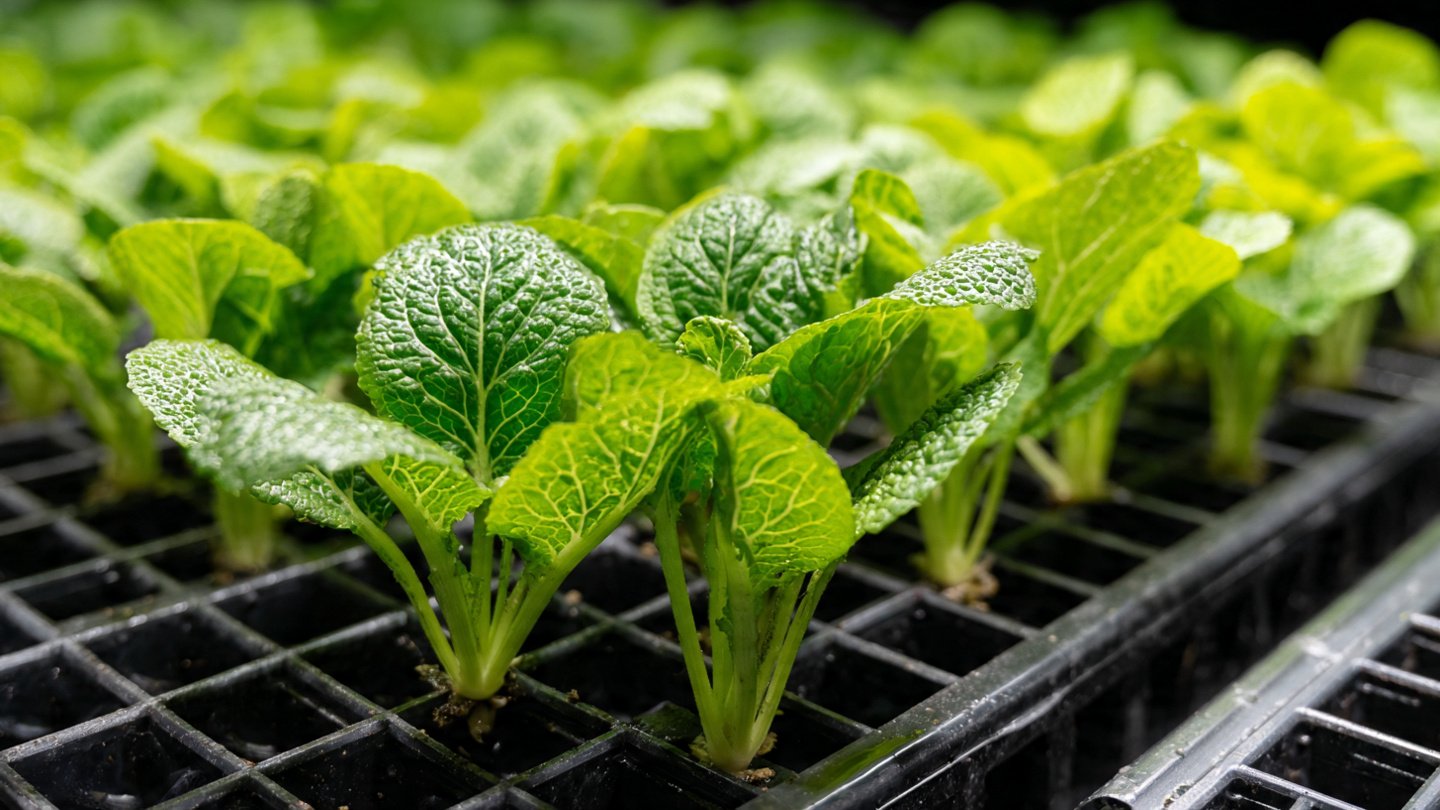
Growing your own food can be a gratifying experience, especially when it comes to fast-growing crops like Asian greens. These leafy vegetables are not only nutritious but also versatile in the kitchen. Even if you’re short on space or experience, growing Asian greens in a tray is a manageable and rewarding project. This guide will walk you through the entire process, from choosing the right greens to harvesting your crop.
Why Grow Asian Greens?
Asian greens are popular for good reason. They are rich in vitamins A, C, and K, as well as minerals like calcium and iron. They also contain antioxidants that promote overall health. The taste of Asian greens, which can range from mild to peppery, adds depth to various dishes, from stir-fries to salads.
Some common types of Asian greens include:
- Bok Choy: Known for its crunchy stalks and tender leaves, it’s a staple in many Asian cuisines.
- Mustard Greens: These have a spicy flavor and are excellent in stir-fries and soups.
- Spinach: Although not exclusively Asian, varieties like Chinese spinach are popular in Asian cooking.
- Tat Soi: This butter-like green has a unique flavor and is great in salads or lightly cooked.
What You’ll Need
Materials
- Seed Trays: Choose trays with drainage holes. You can buy plastic trays or use recycled containers like old food trays.
- Potting Mix: A well-draining potting mix is essential. Avoid garden soil, which may be too heavy and may harbor pests or diseases.
- Seeds: Select the Asian greens you want to grow. Check local stores or online retailers for seed packets.
- Watering Can or Spray Bottle: A gentle watering method is best for young seedlings.
- Light Source: If you’re growing indoors, you’ll need a sunny windowsill or grow lights.
- Labels: These are helpful for keeping track of different crops, especially if you’re growing multiple varieties.
Optional Materials
- Row Covers: These can protect your plants from pests.
- Fertilizer: A balanced, water-soluble fertilizer can be beneficial if your soil mix lacks nutrients.
Step-by-Step Guide to Growing Asian Greens
Step 1: Preparing Your Tray
Before sowing your seeds, it’s essential to prepare your tray.
- Clean Your Tray: If you’re reusing a tray, ensure it’s clean to prevent any diseases. You can wash it with soapy water and rinse well.
- Fill the Tray with Potting Mix: Pour your potting mix into the tray, filling it to about 1 inch below the rim. Level it off gently and tap the sides to settle the soil.
- Moisten the Mix: Lightly water the mix until it’s damp but not soaking wet. The moisture will help the seeds germinate.
Step 2: Sowing the Seeds
- Read Seed Pack Instructions: Different Asian greens may have varying requirements for spacing and depth. Refer to the seed packet for specific instructions.
- Sow Seeds: Plant your seeds according to the directions. Generally, you can sow them densely; many Asian greens can be harvested as microgreens.
- Cover the Seeds: Lightly sprinkle soil over the seeds, as most need darkness to germinate.
- Label Your Tray: Use labels to mark what you’ve planted and when.
Step 3: Watering and Care
- Water Gently: Use a spray bottle or watering can to moist the soil. Avoid over-saturating, which can drown the seeds.
- Provide Light: Place the tray in a sunny spot or under grow lights. Asian greens typically need around 12-16 hours of light per day for optimal growth.
- Monitor Temperature: Ideal growing temperatures range from 60°F to 75°F (15°C to 24°C).
Step 4: Thinning the Seedlings
Once your seedlings reach about 2 inches tall (usually within 1-2 weeks), it’s time to thin them out:
- Identify Strong Seedlings: Choose the healthiest seedlings and remove the weaker ones. This helps to ensure that the remaining plants have enough space and nutrients to grow.
- Do It Gently: Use scissors to snip the weak seedlings at the soil level. Avoid pulling them out, as this can disturb the roots of the remaining plants.
Step 5: Maintenance
- Water Regularly: Check the moisture level daily. Water when the top inch of soil feels dry.
- Fertilize: If you notice slow growth, consider applying a diluted balanced fertilizer every couple of weeks.
- Watch for Pests: Keep an eye out for pests like aphids or flea beetles. They can be controlled with organic insecticidal soap or by handpicking.
Step 6: Harvesting
- Know When to Harvest: Most Asian greens are ready to harvest between 4 to 8 weeks after sowing, depending on the variety. For baby greens, harvest when they reach about 4-6 inches tall.
- Cutting the Greens: Use scissors to cut the leaves just above the soil level. This encourages regrowth, allowing you to harvest multiple times from one planting.
- Storage: Rinse the greens gently, pat them dry, and store them in a sealed bag in the refrigerator. Use them within a week for the best flavor.
Tips for Success
- Rotate Crops: If growing multiple trays, rotate your crops each season to prevent soil depletion and disease.
- Experiment with Varieties: Don’t hesitate to try different types of Asian greens to find your favorites.
- Consider Seasonality: Many Asian greens grow well in cooler weather. In hot summer months, opt for heat-tolerant varieties or shade them to prevent bolting.
Troubleshooting Common Issues
- Slow Growth: This could be due to insufficient light, dull soil, or low temperatures. Ensure your greens are getting enough sunlight.
- Yellow Leaves: This often indicates overwatering or nutrient deficiency. Check your watering habits and consider adding fertilizer.
- Pest Infestations: If you notice pests, try removing them by hand or using insecticidal soap for a more eco-friendly approach.
Conclusion
Growing Asian greens in a tray is a simple process that can yield delicious and nutritious results. Whether you have a large garden or just a small windowsill, this method allows you to grow fresh greens year-round. With a bit of care and attention, you’ll soon enjoy the taste and benefits of home-grown Asian greens. Happy gardening!