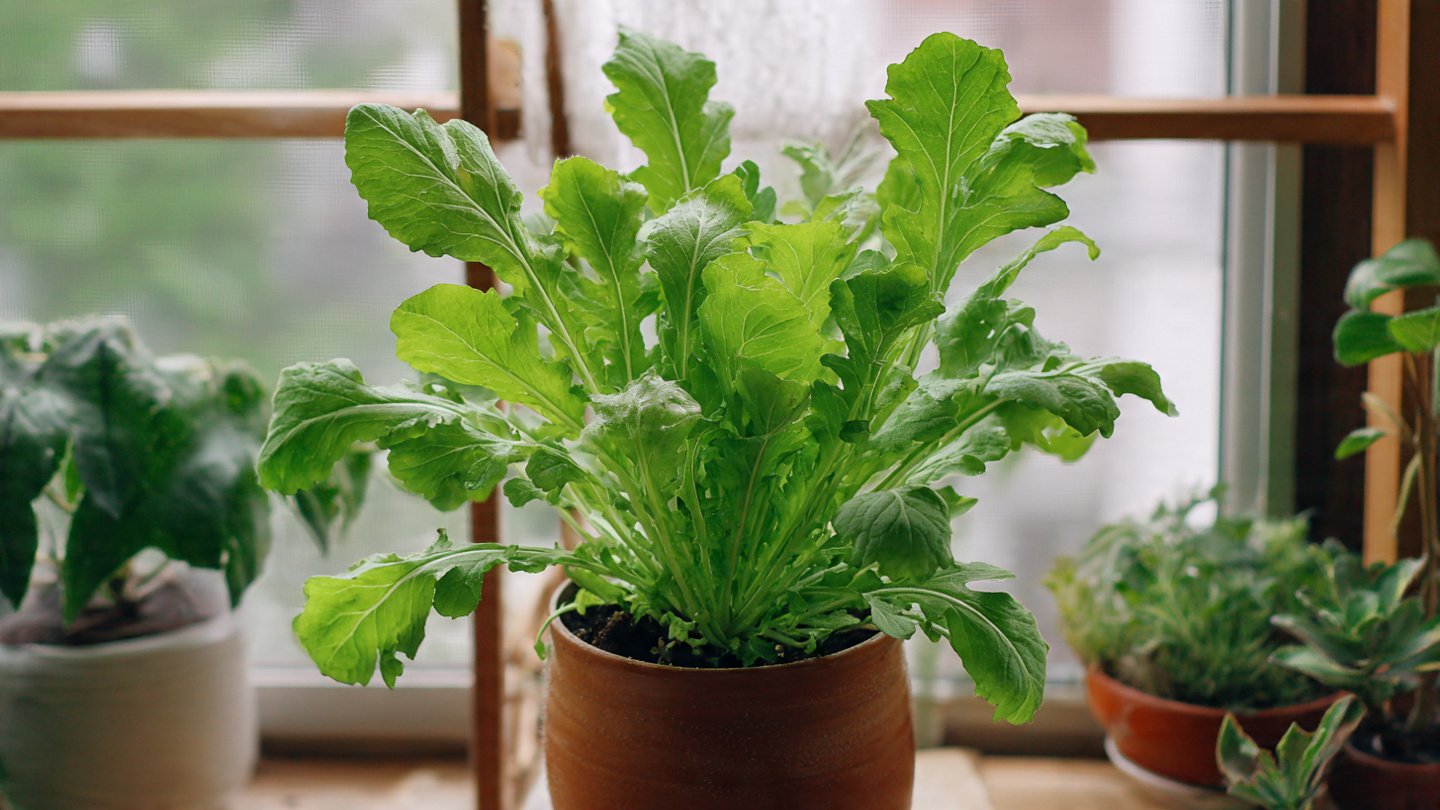
Arugula, often dubbed the “rocket” or “roquette,” is a leafy green vegetable known for its distinct peppery flavor. It’s not only a versatile ingredient, adding zest to salads, sandwiches, and pizzas, but it’s also a great plant to grow indoors. With its quick growth cycle and tolerance for various conditions, arugula is perfect for indoor gardeners seeking fresh produce year-round. In this article, we’ll explore the essential steps for growing arugula indoors, from selecting seeds to harvesting your crop.
1. Why Grow Arugula Indoors?
Nutritional Benefits
Arugula is a nutritional powerhouse, rich in vitamins A, C, and K, iron, calcium, and antioxidants. Growing your own arugula ensures you have access to the freshest greens packed with nutrients.
Accessibility
Growing indoors means your greens are just a few steps away—no grocery runs needed! Plus, you can cultivate varieties that may not be available locally.
Year-Round Harvests
Arugula grows quickly, typically ready for harvest in about 3-4 weeks. This means you can enjoy multiple harvests throughout the year, making it a sustainable option.
2. Selecting the Right Varieties
When selecting arugula seeds for indoor growth, consider these popular varieties:
- Wild Arugula (Diplotaxis erucoides): More pungent and hardy, it thrives indoors.
- Astro Arugula: Fast-growing with smoother leaves, great for salads.
- Rocket Arugula: The classic variety with a strong flavor.
Choose organic seeds if possible, as they are free of synthetic pesticides and fertilizers.
3. Preparing for Planting
Containers
Opt for containers that are at least 4-6 inches deep. This depth allows for sufficient root development. You can use standard pots, window boxes, or even repurpose containers like salad containers or yogurt cups, ensuring they have drainage holes.
Soil
Select a high-quality, well-draining potting mix. A blend specifically designed for herbs or vegetables works best. Consider adding perlite or vermiculite to improve drainage and aeration.
Light Requirements
Arugula thrives with plenty of light, ideally 12-16 hours daily. Position your containers near a south-facing window for maximum sunlight, or consider using grow lights for better results. LED grow lights are energy-efficient and effective for growing leafy greens indoors.
4. Planting Arugula Seeds
Sowing
Fill your containers with the prepared potting mix, leaving about an inch of space from the top. Scatter the seeds evenly across the soil surface and lightly cover them with a thin layer of soil, about 1/4 inch deep.
Watering
Water the soil gently using a spray bottle or a watering can with a fine spout. The soil should be moist but not waterlogged.
Temperature
Arugula prefers cooler temperatures, ideally between 60°F to 65°F (15°C to 18°C). If your indoor temperatures are warmer, consider a small fan to promote air circulation.
5. Caring for Your Arugula
Watering
Keep the soil consistently moist but avoid overwatering. Test the moisture level by sticking your finger about an inch into the soil. If it feels dry, it’s time to water.
Fertilizing
Arugula is a fast-growing plant that benefits from regular fertilization. Use a balanced, water-soluble fertilizer once every two weeks after the seedlings develop their first true leaves. Follow the manufacturer’s instructions to avoid over-fertilization.
Thinning
Once your seedlings reach about 2 inches in height, thin them out by gently snipping the weaker seedlings at the soil line. This gives the remaining plants more space to grow and access nutrients.
Pest Management
While indoor pests are less common, you may encounter aphids or fungus gnats. Use insecticidal soap or neem oil for aphids, and let the soil dry out between waterings to deter fungus gnats.
6. Harvesting Arugula
Timing
You can begin harvesting arugula when the leaves are about 2-4 inches long. For the best flavor, harvest early in the day when the leaves are crisp.
Method
Use clean scissors to snip leaves just above the bottom pair of leaves, leaving the center of the plant intact. This method allows the plant to continue growing and producing more leaves.
Continuous Harvesting
Arugula tends to bolt (flower) in warm conditions, which may affect flavor and texture. To prolong your harvest, pick leaves regularly, ensuring the plant remains vibrant and healthy.
7. Troubleshooting Common Issues
Bolting
When exposed to high temperatures or prolonged daylight, arugula may bolt. The leaves will turn bitter and flower, signaling the end of the harvest. To prevent this, maintain cooler temperatures and ensure consistent watering.
Leggy Growth
If your plants seem tall and spindly, they may not be receiving enough light. Adjust your lighting setup or move them to a sunnier location.
Yellowing Leaves
Yellow leaves can indicate overwatering, poor drainage, or nutrient deficiencies. Check your watering routine and consider fertilizing if growth appears stunted.
8. Creative Ways to Use Arugula
With your fresh arugula harvests in hand, you might be wondering how to incorporate them into your meals. Here are some ideas:
Salads
Combine arugula with seasonal vegetables, nuts, and a tangy dressing to make a refreshing salad. Arugula pairs well with ingredients like cherry tomatoes, goat cheese, and balsamic vinegar.
Sandwiches and Wraps
Add a handful of arugula to sandwiches or wraps for an extra crunch and flavor. The peppery taste complements cured meats and cheeses beautifully.
Pesto
Replace basil with arugula in your pesto recipe for a zesty spin. Blend arugula with nuts, garlic, Parmesan cheese, and olive oil for a unique sauce that can be used on pasta or as a dip.
Garnishes
Use fresh arugula as a garnish for soups or pizzas, adding a fresh element to your dishes.
Smoothies
For a nutritional boost, blend arugula into your smoothies. It works well with fruits like bananas, apples, or berries, providing a green twist without overpowering the flavor.
9. Extending the Season with Crop Rotation
If you’re moving through multiple cycles of arugula in your indoor garden, consider crop rotation to keep your soil healthy. After harvesting arugula, let the soil rest and plant other greens, such as spinach or lettuce, for a couple of weeks before returning to arugula. This practice enhances soil health by diversifying nutrient demands.
Conclusion
Growing arugula indoors is a rewarding and achievable endeavor. With just a few supplies, some attention, and a bit of care, you can enjoy fresh arugula year-round, enhancing your meals with its unique flavor. Whether you’re an experienced gardener or just starting out, arugula is a fantastic choice for your indoor garden. So gather your containers, pick your seeds, and start cultivating your own fresh greens today! Happy gardening!