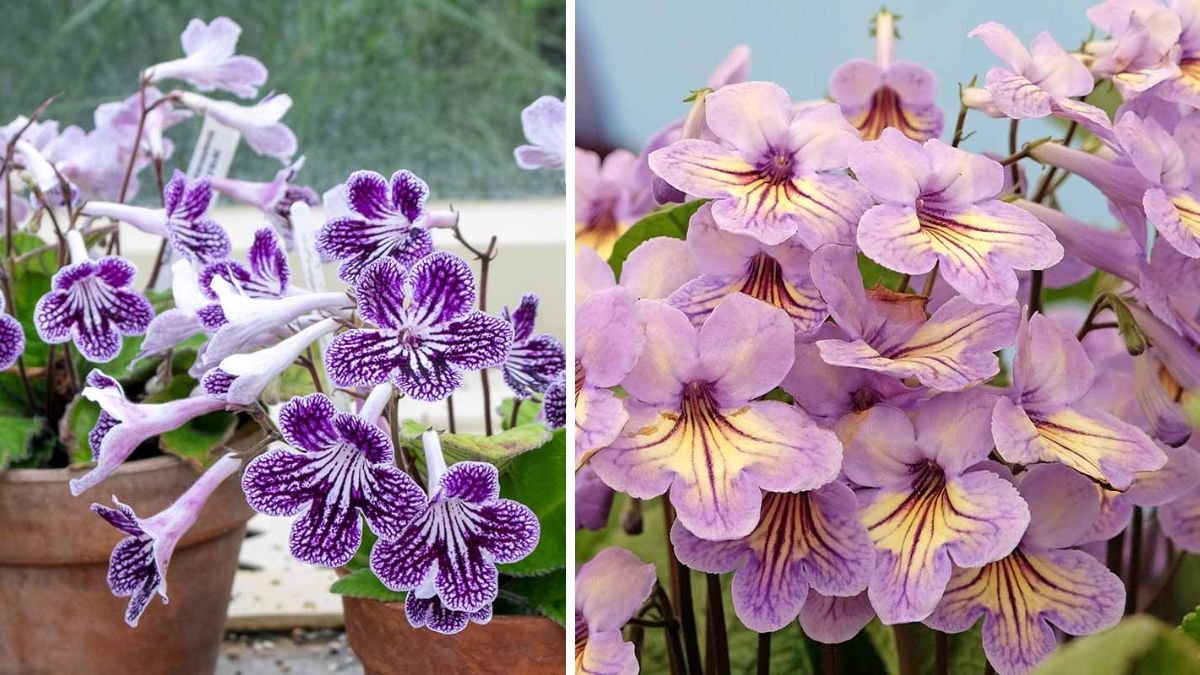
Streptocarpus, commonly known as Cape Primrose, is a stunning houseplant celebrated for its vibrant blooms and lush foliage. With its wide array of colors and patterns, it’s no wonder that many plant enthusiasts want to cultivate these beautiful perennials. If you’re looking to enjoy constant blooms and a healthy plant, this guide will walk you through everything you need to know, from choosing the right variety to effective care techniques.
Understanding Streptocarpus
Species and Cultivars
Streptocarpus belongs to the Gesneriaceae family. Originating from tropical and subtropical Africa, these plants are known for their impressive flowers, which come in shades of blue, purple, pink, and white, sometimes featuring intricate patterns. Various cultivars have been developed, offering unique colors and forms, making them suitable for different aesthetic preferences.
Growth Habit
Streptocarpus is typically a rosette-forming perennial that produces blooms on elongated stems above the leaves. The flowers can last for weeks and even months, making them a favorite among home gardeners.
Cultivation Tips
1. Selecting the Right Pot and Soil
Pot Selection
Using a pot that promotes good drainage is essential. Choose a container with drainage holes, and consider using a shallow pot rather than a deep one, as Streptocarpus has a shallow root system.
Soil Type
For optimal growth, a well-draining potting mix is crucial. A blend of peat moss, perlite, and vermiculite will provide both the aeration and moisture retention these plants desire. Avoid heavy garden soils, as they can lead to root rot.
2. Light Requirements
Streptocarpus loves bright, indirect light. Direct sunlight can scorch the leaves, while insufficient light can restrict blooming. Ideally, place your plant near a window with filtered light or in a well-lit room. If natural light is limited, consider using grow lights to supplement.
3. Watering Practices
Watering is one of the most critical aspects of caring for Streptocarpus. Here are some practical tips:
- Frequency: Allow the top inch of the soil to dry before watering again. During the growing season (spring and summer), you may need to water more frequently, while in fall and winter, reduce watering.
- Method: Water the plant thoroughly until it drains from the bottom, ensuring that moisture reaches the root system. Avoid letting the plant sit in standing water, which can lead to rot.
4. Fertilization
To promote robust growth and continuous flowering, regular fertilization is necessary. Use a balanced, water-soluble fertilizer every two to four weeks during the growing season. Opt for a fertilizer with higher phosphorus content (the middle number in N-P-K ratios) to encourage blooming.
5. Temperature and Humidity
Streptocarpus thrives in warm temperatures, ideally between 65°F and 75°F (18°C – 24°C). They can tolerate slightly cooler temperatures, but avoid exposing them to frost or extreme cold.
Humidity Levels
Streptocarpus enjoys humidity levels between 40% and 70%. If your home is dry, especially in winter, consider using a humidity tray or a room humidifier to maintain suitable levels. Alternatively, mist the leaves occasionally to boost humidity.
6. Pruning and Deadheading
Regularly deadheading spent flowers encourages more blooms and keeps your plant looking tidy. Additionally, pruning old and yellowing leaves helps the plant redirect its energy toward new growth and flower production.
7. Propagation
Propagating Streptocarpus can be done through leaf cuttings, seed sowing, or division.
- Leaf Cuttings: Take a healthy leaf, cut it into sections, and place it in moist potting mix. You’ll see roots forming within a few weeks.
- Seed Sowing: Use a seed starting mix and keep it lightly moist until germination.
- Division: If your plant has outgrown its pot, dividing the root ball can help propagate new plants.
8. Pest and Disease Management
While Streptocarpus is relatively pest-resistant, keep an eye out for common issues like aphids, mealybugs, and spider mites. If you observe any pests, treat them promptly with insecticidal soap or neem oil.
Root rot is a common disease often caused by overwatering. Ensure proper drainage and avoid letting the pot sit in water.
Year-Round Blooming Techniques
To achieve continuous blooms throughout the year, it’s essential to create optimal conditions and implement effective care techniques:
- Light Management: During shorter winter days, use grow lights to provide adequate light exposure, promoting flowering even in low-light conditions.
- Consistent Care: Maintain a consistent watering and feeding schedule to keep the plant healthy. Fluctuations can cause stress, leading to decreased flowering.
- Seasonal Adjustments: Adjust care practices according to seasonal changes. For instance, reduce watering in winter while maintaining humidity to prevent leaf drop.
Conclusion
With the right care, Streptocarpus can be a stunning addition to your home, offering colorful blooms throughout the year. By selecting the right soil, providing adequate light, managing watering practices, fertilizing regularly, and maintaining temperature and humidity levels, you can enjoy a flourishing Streptocarpus that adds beauty to any space.
FAQs
1. How often should I water my Streptocarpus?
Water your Streptocarpus when the top inch of soil feels dry. Typically, this may range from once a week in the growing season to less frequently in the winter.
2. Can I place my Streptocarpus outside in the summer?
Yes, if you live in a suitable climate (USDA zones 10-11), you can place your Streptocarpus outside in a shaded area during the summer. However, be mindful of direct sunlight, which can scorch the leaves.
3. Why is my Streptocarpus not blooming?
Several factors can affect blooming, such as insufficient light, inadequate fertilization, overwatering, or improper temperature. Evaluate your care routine and make necessary adjustments.
4. How can I increase humidity for my Streptocarpus?
To increase humidity, you can mist the leaves, group plants together, or use a humidity tray filled with water and pebbles under the pot. A room humidifier is also an excellent long-term solution.
5. Is Streptocarpus toxic to pets?
Streptocarpus is generally considered non-toxic to pets, making it a safe choice for households with cats and dogs.
6. How often should I fertilize my Streptocarpus?
Fertilize your Streptocarpus every two to four weeks during the growing season with a balanced, water-soluble fertilizer to encourage blooming.
7. Can I propagate Streptocarpus from seed?
Yes, Streptocarpus can be propagated from seeds. Use a seed starting mix, keep the mix moist, and provide warmth and indirect light for best results.
By understanding and applying these care tips, you’ll be well on your way to cultivating a healthy and vibrant Streptocarpus that blooms all year long. Happy gardening!