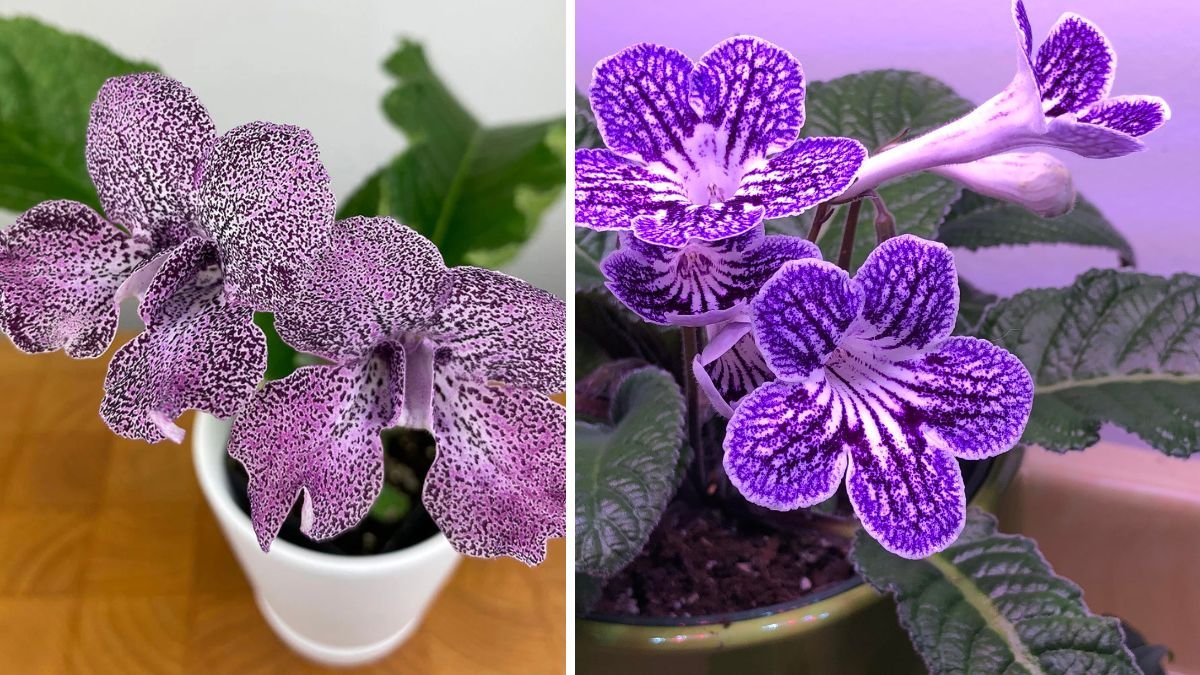
Introduction to Streptocarpus
Streptocarpus, commonly known as Cape Primrose, is a beautiful and versatile flowering plant that can bring vibrant colors to your home or garden year-round. Native to tropical Africa, these plants are cherished for their stunning flowers that bloom in various hues, including blue, purple, white, and pink. With the right care and cultivation techniques, you can enjoy continuous blooms from your Streptocarpus. This article will guide you through the essential cultivation practices to keep these beautiful plants thriving.
Understanding Streptocarpus
1. Botanical Background
Streptocarpus belongs to the Gesneriaceae family and is characterized by its unique funnel-shaped flowers and broad, velvety leaves. While often grown as houseplants, they can thrive in outdoor settings in temperate climates.
2. Varieties
There are numerous species and hybrids of Streptocarpus, each with its distinct flower characteristics. Some popular varieties include:
- Streptocarpus saxorum: Known for its clusters of delicate flowers.
- Streptocarpus ‘Amazon’: A compact hybrid with large, showy blooms.
- Streptocarpus ‘Polka Dot’: Notable for its strikingly patterned leaves.
The Ideal Growing Conditions for Streptocarpus
To enjoy endless blooms, it’s essential to create a suitable environment for your Streptocarpus plants.
1. Light Conditions
Streptocarpus thrives in bright, indirect light. Direct sunlight can scorch the leaves, while too little light can inhibit flowering. Ideal light conditions include:
- East or West-facing windows: These positions provide gentle morning or afternoon sunlight.
- Grow lights: For those with limited natural light, using fluorescent or LED grow lights can supplement the plant’s light needs.
2. Temperature
Streptocarpus prefers a temperate climate. The ideal temperature range is between 65°F – 75°F (18°C – 24°C). Avoid exposing them to temperatures below 50°F (10°C), as cold drafts can adversely affect their health.
3. Humidity
Being a tropical plant, Streptocarpus enjoys higher humidity levels. Aim for 40% to 70% relative humidity. Here are ways to increase humidity:
- Pebble trays: Place trays filled with pebbles and water beneath the plant pots.
- Mist regularly: Lightly misting the leaves can help maintain moisture levels.
- Humidity monitors: Use a hygrometer to measure humidity levels accurately.
4. Soil Requirements
Well-draining, nutrient-rich soil is crucial for Streptocarpus. A mix of the following works well:
- Peat-based potting mix: Provides good moisture retention.
- Perlite or sand: Enhances drainage.
Aim for a soil pH of 5.5 to 6.5.
Planting and Repotting
1. Choosing the Right Pot
Select pots with drainage holes to prevent root rot. Terracotta pots are excellent, as they allow for better air circulation around the roots.
2. The Planting Process
- Prepare the soil: Mix your chosen potting mix and ensure it is moist but not soggy.
- Position the plant: Place it in the center of the pot, ensuring the crown of the plant is level with or just above the soil surface.
- Water: After planting, water the plant thoroughly but ensure excess water can drain away.
3. Repotting
Streptocarpus generally requires repotting every 1-2 years. Signs that it’s time to repot include:
- Roots emerging through the drainage holes.
- Stunted growth despite regular care.
- Soil degrading in structure or nutrients.
When repotting, handle the roots gently and avoid disturbing them unnecessarily.
Watering and Fertilization
1. Watering Practices
Water your Streptocarpus when the top inch of soil feels dry. Use the following techniques to ensure proper watering:
- Bottom watering: Place the pot in a tray of water and allow the roots to absorb moisture from the bottom.
- Temperature of water: Room temperature water is ideal to avoid shocking the roots.
2. Fertilizing
Feed your Streptocarpus with a balanced, water-soluble fertilizer every 2-4 weeks during the growing season (spring and summer). Look for fertilizers high in phosphorus (the middle number in the N-P-K ratio) to promote blooming. A suggested ratio is 15-30-15.
Pruning and Propagation
1. Pruning
Regular pruning helps maintain shape and encourage more blooms. Techniques include:
- Removing dead flowers: This encourages the plant to produce more blooms (a process called deadheading).
- Leaf care: Trim dead or damaged leaves to keep the plant looking healthy.
2. Propagation
Streptocarpus can be propagated through leaf cuttings or leaf divisions. Here’s how:
- Leaf cuttings: Cut a healthy leaf into sections, ensuring each piece has a vein. Place them in moist soil or water until roots form.
- Division: When repotting, gently separate the plant into smaller sections, ensuring each section has roots.
Pest and Disease Management
1. Common Pests
Streptocarpus may encounter pests such as aphids, mealybugs, and spider mites. Keep an eye out for:
- Discoloration of leaves: Indicates potential pest problems.
- Sticky residue (honeydew): A sign of aphid infestation.
2. Disease Prevention
Fungal infections can arise from overwatering or poor air circulation. To prevent diseases:
- Ensure good drainage.
- Use sterilized soil and pots.
- Avoid wetting the leaves during watering.
3. Treatment Options
If you notice pest infestations or diseases:
- Insecticidal soap or neem oil: Effective against common pests.
- Fungicides: Can help in treating fungal infections.
Ensuring Continuous Blooms
1. Temperature Shock
Be mindful of sudden changes in temperature. Moving your plant between different environments (like from indoors to outdoors) can shock the plant. Gradual acclimatization is key.
2. Blooming Triggers
Streptocarpus may bloom continuously given the right conditions. Here are factors that promote blooming:
- Optimal light and temperature: As previously discussed.
- Consistent watering and fertilization.
- Pruning and deadheading regularly.
By adhering to these practices, your Streptocarpus will reward you with endless blooms throughout the year.
Conclusion
Cultivating Streptocarpus might seem challenging at first, but it becomes easy with the right knowledge and care techniques. By providing optimal growing conditions, diligent watering and feeding, and regular pruning and pest management, you can enjoy stunning blooms year-round. Start your journey with these remarkable plants today and create a colorful, floral haven in your home or garden.
FAQs
1. How often should I water my Streptocarpus?
Water when the top inch of soil is dry, typically every 4-7 days. Use room-temperature water.
2. Can I keep Streptocarpus outdoors?
Yes, provided you live in a temperate climate. Ensure they are protected from direct sunlight and frost.
3. Why isn’t my Streptocarpus blooming?
Insufficient light, improper watering, or nutrient deficiencies can affect blooming. Ensure optimal care.
4. How can I increase humidity for my Streptocarpus?
Use pebble trays, humidity monitors, and mist the plant regularly to maintain adequate humidity.
5. What pests should I watch for?
Common pests include aphids, mealybugs, and spider mites. If detected, treat them promptly with insecticidal soap or neem oil.
6. How do I propagate Streptocarpus?
You can propagate through leaf cuttings or divisions during repotting. Ensure each cutting has a vein for successful rooting.
With this comprehensive guide, you’re now equipped to cultivate your Streptocarpus plants successfully. Enjoy the beauty they bring to your space!