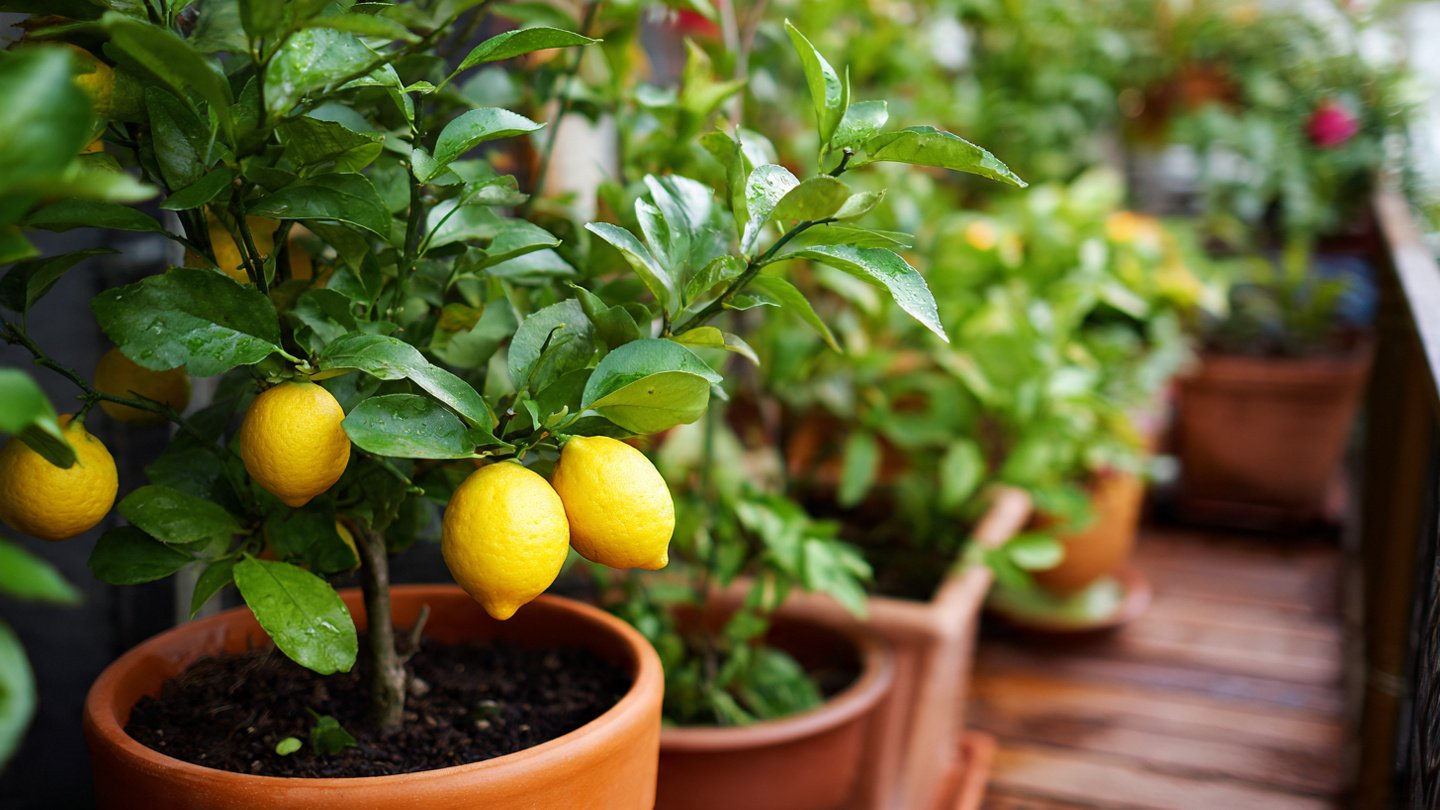
Creating a balcony garden has become an essential retreat for urban dwellers, providing a slice of nature amid concrete jungles. One of the most rewarding projects is cultivating lime trees, offering not only stunning greenery but also fresh, home-grown limes for culinary delights. This guide will walk you through the essentials of establishing a thriving lime balcony garden, from selecting the right varieties to care tips and harvesting techniques.
Why Choose Limes for Your Balcony Garden?
Limes are an excellent choice for several reasons:
-
Space-Efficient: Lime trees, especially dwarf varieties, are compact and perfect for limited spaces.
-
Aesthetically Pleasing: The bright green leaves and vibrant fruits add visual appeal.
-
Culinary Use: Fresh limes can enhance dishes, drinks, and desserts, making them invaluable in the kitchen.
-
Air Purification: Plants help purify the air, improving the overall atmosphere of your living space.
-
Therapeutic Benefits: Gardening has been shown to reduce stress, promote mindfulness, and improve overall well-being.
Selecting the Right Lime Variety
When starting your lime garden, choosing the right variety is crucial. Here are a few popular options:
-
Persian Lime (Citrus latifolia): This is the most commonly grown lime, featuring thick-skinned fruits with a bold flavor. It grows well in pots and makes an excellent choice for balcony gardens.
-
Key Lime (Citrus aurantiifolia): Smaller and often considered more aromatic, Key limes are perfect for desserts and cocktails.
-
Kaffir Lime (Citrus hystrix): Known for its unique flavor and aromatic leaves, Kaffir lime is perfect for culinary applications, especially in Asian cuisine.
-
Finger Lime (Citrus australasica): A unique variety that looks like a small cucumber, finger limes have caviar-like pulp, adding a burst of flavor to dishes.
-
Dwarf Varieties: Many nurseries offer dwarf lime trees, which are perfect for containers and small spaces due to their manageable height.
Essential Supplies for Your Lime Garden
-
Containers: Choose pots that are at least 12-18 inches in diameter, ensuring proper drainage. Containers made of clay or ceramic are excellent choices as they allow for breathability.
-
Soil: Use a well-draining potting mix designed for citrus plants. A mix containing peat, perlite, and compost works well.
-
Fertilizer: Select a slow-release, balanced fertilizer formulated for citrus. This will ensure your lime trees receive the necessary nutrients.
-
Watering Can: A watering can with a long spout makes it easier to reach plants in larger pots.
-
Pruning Shears: Essential for regular maintenance and promoting healthy growth.
-
Support Materials: Depending on your balcony setup, you may want to include stakes or trellises for support as your plants grow.
Planting Your Lime Trees
Step-by-Step Guide
-
Choose the Right Time: The best time to plant lime trees is in the spring after the last frost. This ensures optimal growth and can prevent damage from cold weather.
-
Prepare the Containers: Fill your pot with your chosen potting mix, leaving about an inch of space at the top.
-
Planting: Remove the tree from its nursery pot, gently loosening any tangled roots. Place the tree in the new pot, ensuring the root ball is level with the soil surface. Fill in with soil, pressing gently to remove any air pockets.
-
Water: Thoroughly water the newly potted tree. Ensure that water drains from the bottom to avoid root rot.
-
Location: Place your lime tree in a location that receives at least 6-8 hours of sunlight daily. The south-facing balcony is usually ideal.
Care and Maintenance
1. Watering
Lime trees prefer consistently moist but not soggy soil. The frequency of watering will depend on various factors such as temperature, humidity, and pot size. Here are some guidelines:
- Check Soil Moisture: Stick your finger a couple of inches into the soil. If it feels dry, it’s time to water.
- Use Room Temperature Water: Cold water can shock the root system.
- Water Deeply: Encourage deep root growth by thoroughly watering each time.
2. Fertilizing
During the growing season (spring and summer), fertilize your lime trees every 4-6 weeks. Use a balanced fertilizer specifically designed for citrus plants to promote healthy growth and fruit production. In the fall and winter, reduce fertilization as the trees enter a dormant period.
3. Pruning
Regular pruning encourages healthy growth and keeps your lime trees manageable. Focus on the following:
- Remove Dead or Diseased Branches: This promotes airflow and reduces disease risk.
- Encourage a Central Leader: Trim back lateral branches to maintain a single central trunk.
- Shape the Tree: Aim for an open structure to ensure light penetrates the center of the tree.
4. Pest Management
Lime trees can be susceptible to pests like aphids, spider mites, and scale insects. Regular inspections will help you catch infestations early. If you notice pests:
- Insecticidal Soap: Spray infested areas with a solution of insecticidal soap to control pests effectively.
- Natural Predators: Encourage ladybugs or lacewings, which are natural predators of many pests.
Ensuring Optimal Environmental Conditions
- Temperature: Limes thrive in temperatures between 70°F and 100°F. Bring pots indoors if temperatures drop below 32°F.
- Humidity: Maintain humidity levels around 50-60%. If your balcony is dry, consider misting your plants or placing a shallow tray filled with water nearby.
- Protection from Wind: Strong winds can damage your plants. Use windbreaks or strategically place your pots against wall spaces.
Harvesting Your Limes
Once your lime trees start producing fruit, the excitement builds. Here’s how to know when to harvest:
-
Color: Limes should be a vibrant green color. As they ripen, they may show a slight yellowish tint but should not be fully yellow.
-
Size: Depending on the variety, limes typically reach their full size within a few months of flowering.
-
Feel: Gently squeeze the fruit. Ripe limes feel firm but slightly yield to pressure.
To harvest, use pruning shears to cut the limes from the tree, leaving a small section of stem attached to prevent damage to the tree.
Overcoming Common Challenges
1. Lack of Sunlight
If your balcony doesn’t get enough sunlight, consider using grow lights to supplement natural light.
2. Too Much Moisture
Overwatering can lead to root rot. Ensure that your pots have proper drainage and monitor soil moisture closely.
3. Temperature Fluctuations
Be mindful of temperature changes, especially in winter. Bring plants indoors during extreme cold to protect them.
Conclusion
Cultivating a thriving lime balcony garden is a rewarding endeavor that can enrich your culinary experiences and enhance your living space. With a bit of patience and care, your lime trees can produce delicious fruits for seasons to come. Whether you’re using limes in your favorite cocktails, dressings, or desserts, the satisfaction of enjoying home-grown produce will elevate your cooking and make every meal a celebration. Embrace the journey of gardening, and soon you’ll be reaping the fruits of your labor!