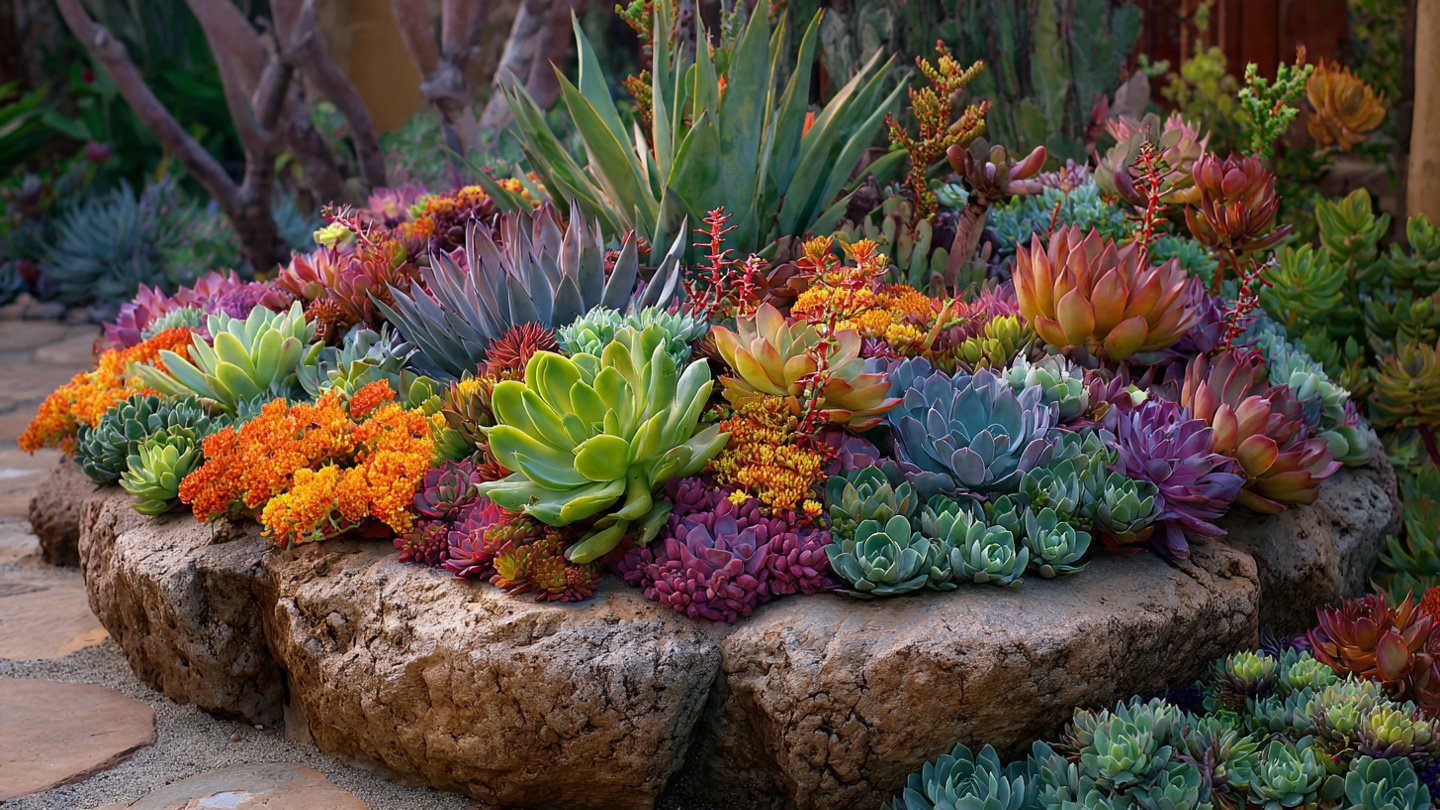
Creating a beautiful succulent garden bed can transform any outdoor space into a vibrant, drought-tolerant oasis. With their unique shapes, colors, and low-maintenance requirements, succulents offer a fantastic opportunity for gardeners of all levels to design a stunning landscape. In this comprehensive guide, we’ll explore everything from planning and design to planting and care so you can achieve a remarkable succulent garden bed.
Understanding Succulents
What are Succulents?
Succulents are plants that have adapted to store water in their leaves, stems, or roots. This adaptation allows them to thrive in arid conditions and makes them popular for low-water gardens. Common varieties include aloe, agave, jades, and countless more, each offering unique textures and colors.
Benefits of Succulent Gardens
- Low Maintenance: Once established, succulent gardens require less water and care compared to traditional gardens.
- Drought Tolerance: Perfect for regions with little rainfall, succulents thrive with minimal moisture.
- Aesthetic Appeal: Their diverse shapes and colors can create visually stunning landscapes year-round.
Planning Your Succulent Garden Bed
Step 1: Choose the Right Location
Selecting an optimal location for your succulent garden is crucial:
- Sunlight: Most succulents prefer full sun, typically 6-8 hours of direct sunlight each day. Observe your space during different times of the day to identify sunny spots.
- Drainage: Ensure the area has good drainage since succulents are prone to root rot in soggy soil. Avoid low spots where water may collect.
Step 2: Determine the Size and Shape
Decide how large your garden bed will be and what shape you prefer. Here are some popular layouts:
- Rectangular Beds: Traditional and easy to manage, fitting well in most landscapes.
- Curved Beds: Create a softer, more natural look, blending well with existing landscape features.
- Raised Beds: Ideal for improved drainage and ease of access, especially for those with limited mobility.
Step 3: Choose Your Succulent Varieties
Select a mix of succulents based on color, texture, and growth habit. Here are some categories to consider:
- Ground Covers: Varieties like Sedum or Delosperma work great for filling in bare spots.
- Focal Points: Taller or larger succulents like Agave or Echeveria can serve as eye-catching centerpieces.
- Trailing Plants: Use plants like String of Pearls to drape over edges for an interesting visual element.
Consider seasonal varieties as well, ensuring that your garden has visual interest throughout the year.
Designing Your Succulent Garden Bed
Step 1: Create a Layout
Once you have your succulents selected, it’s time to create a layout. Here’s how:
- Plant Height: Place taller plants at the back or center and shorter ones in front, ensuring all plants are visible.
- Color Placement: Group similar colors together for a cohesive look or intersperse contrasting colors for a more dynamic effect.
- Texture Variation: Mix different leaf shapes and sizes to add depth and interest.
Step 2: Prepare the Soil
Succulents require excellent drainage to thrive. Here’s how to prepare the soil:
- Remove Existing Vegetation: Clear the area of weeds, grass, and any debris.
- Loosen the Soil: Use a garden fork or tiller to break up compacted soil.
- Mix in Amendments: Blend in sand and perlite or pumice to improve drainage. A common mix is 2 parts potting soil, 1 part sand, and 1 part perlite.
Step 3: Build Edging (Optional)
If desired, consider adding decorative edging to your garden bed to define the space and prevent soil erosion. Options include:
- Stone or Brick: Offers a rustic, aesthetic appeal.
- Wood Edging: Complements natural landscapes.
- Metal Borders: Provides a modern touch.
Planting Your Succulent Garden Bed
Step 1: Planting Procedure
Follow these steps to plant your succulents:
- Dig Holes: Space holes according to your plan, making them slightly larger than the root ball of each plant.
- Remove from Pots: Gently remove succulents from their pots, taking care not to damage the roots.
- Place Plants: Set each succulent in its hole and backfill loosely with prepared soil.
- Watering: Gently water each plant after planting to settle the soil, but ensure not to soak them.
Step 2: Mulching
Adding mulch can help minimize weed growth and maintain soil moisture. Opt for crushed rock or gravel, which also complements the desert aesthetic of succulents.
Caring for Your Succulent Garden Bed
Watering
While succulents are drought-tolerant, they still require some watering, especially when first planted. Follow these tips:
- Initial Watering: Water thoroughly after planting and allow soil to dry out completely between waterings.
- Seasonal Care: During hotter months, watering may be necessary every 2-3 weeks, whereas, in winter, reduce frequency.
Fertilizing
Succulents don’t require heavy feeding, but you can apply a diluted, balanced fertilizer during their growing season (spring and summer) to promote healthy growth.
Pruning
Remove dead or dying leaves to maintain aesthetics and encourage healthy growth. Use clean, sharp tools to avoid damaging healthy parts of the plant.
Common Challenges and Solutions
Pests
Although succulents are relatively pest-resistant, issues may arise:
- Mealybugs: Treat with neem oil or insecticidal soap.
- Aphids: Remove by spraying with water or using insecticidal soap.
Disease
Avoid overwatering, as this can lead to root rot. If you suspect a plant is infected:
- Remove it from the garden bed to avoid spreading.
- Ensure proper sunlight and drainage for healthy growth.
Weather Considerations
Protect succulents from extreme weather conditions:
- Frost: In colder climates, cover plants with fabric or move potted succulents indoors.
- Extreme Heat: Provide shade during heat waves to prevent sunburn.
Conclusion
Creating a stunning succulent garden bed is both an art and a science. With careful planning, attention to detail, and a little creativity, you can design a vibrant, low-maintenance oasis that will flourish for years to come. Whether you’re a seasoned gardener or a novice, succulents offer an exciting opportunity to beautify your outdoor spaces while also contributing to sustainable gardening practices. With the tips and methods revealed in this guide, you’re well-equipped to embark on your succulent gardening journey—watch as your garden transforms into a breathtaking display of nature’s artistry!