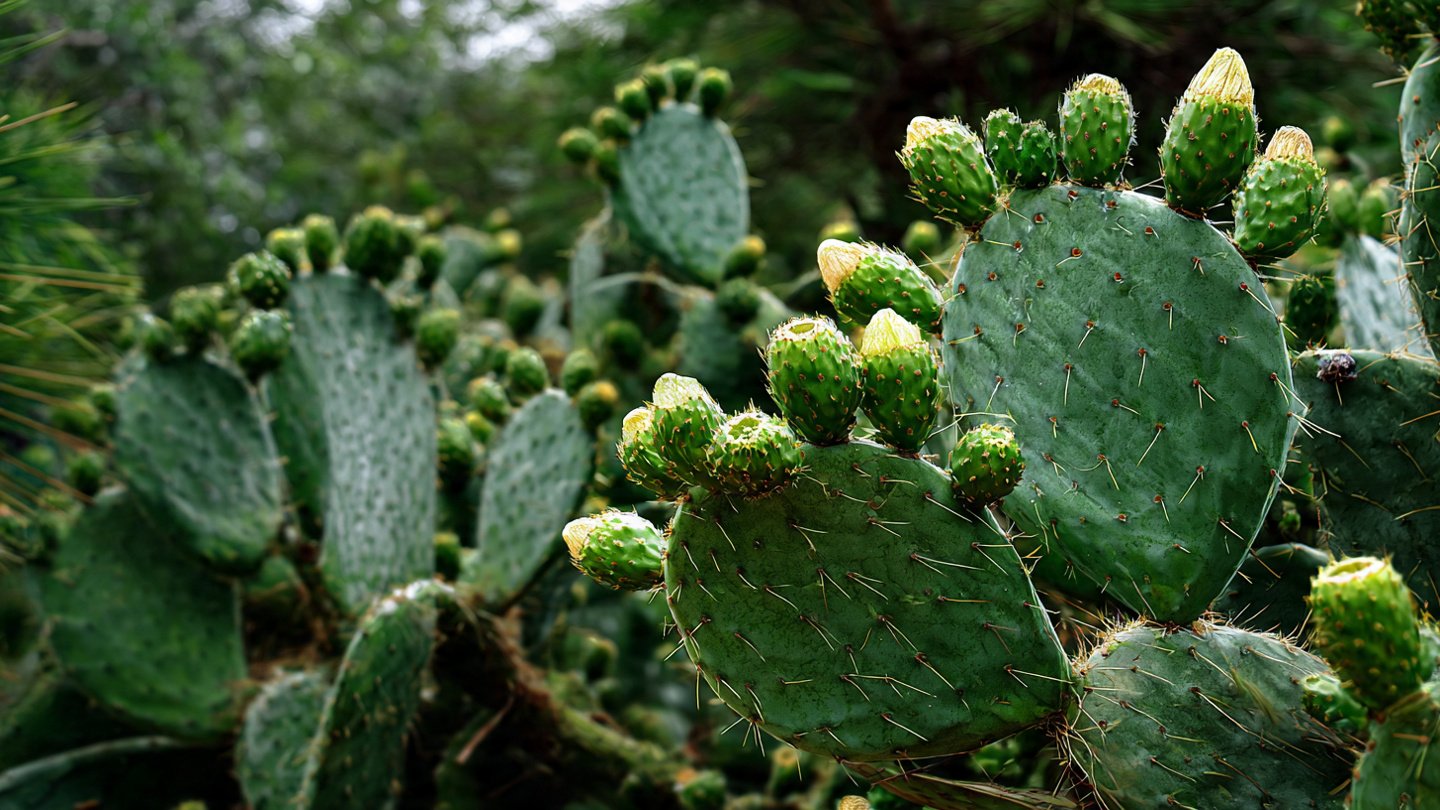
Growing Opuntia, commonly known as prickly pear cactus, can be a rewarding and sustainable venture. These resilient plants not only add beauty to your landscape but also yield edible fruit that’s rich in nutrients. However, one significant challenge in cultivating Opuntia is protecting your garden from pests, both animal and human. An effective fence barrier can mitigate these threats, allowing your cactus to thrive. In this article, we will explore how to create an effective fence barrier, along with tips on successfully growing Opuntia.
Understanding Opuntia
Before diving into fencing solutions, let’s take a moment to understand Opuntia. This genus of cacti encompasses around 200 species, native to the Americas. These plants are well-suited to arid conditions and can be a great addition to water-wise gardens. With their flat pads and stunning blooms, Opuntia can be both functional and aesthetically pleasing.
Benefits of Growing Opuntia
- Edibility: The pads (nopalitos) and fruit (tunas) are edible and can be used in various dishes.
- Drought Resistance: Opuntia thrives in dry conditions, requiring minimal watering once established.
- Wildlife Friendly: They attract beneficial insects and pollinators.
- Soil Improvement: As a cactus, it helps improve soil quality by aiding in moisture retention.
Challenges in Cultivation
While Opuntia is generally low-maintenance, challenges can include:
- Animal Intrusion: Rabbits, deer, and other wildlife may find Opuntia’s pads and fruit tasty.
- Human Intrusion: In certain areas, people may be tempted to take the fruit or damage the plants.
- Environmental Conditions: Harsh winds and heavy rains can sometimes damage the plants.
Creating an effective fence barrier is a practical solution to these challenges.
Steps to Create an Effective Fence Barrier
1. Assess Your Environment
Before you begin constructing a fence, assess your garden environment:
- Analyze Wildlife: Identify which animals are likely to intrude. Different animals may require different fencing strategies.
- Check Your Landscape: Consider the layout of your garden, including any slopes or hillsides that can affect the installation.
2. Choose the Right Fencing Material
The choice of material is critical for an effective fence. Here are some options:
- Chain Link Fencing: Durable and well-suited for many environments. It can keep out most animals while allowing sunlight to penetrate.
- Wood Fencing: Provides a solid barrier but may require maintenance to avoid rot and decay.
- Wire Fencing: A cost-effective option that can be reinforced with barbed wire or mesh at the top to deter climbing animals.
- Living Fence: Consider using Opuntia itself or other thorny plants to create a natural barrier. This can be aesthetically pleasing and functional.
3. Plan Your Fence Design
A successful fence design should factor in:
- Height: Ensure the fence is tall enough to deter larger animals like deer. A height of 6-8 feet is generally effective.
- Depth: If you are using wire or chain-link fencing, bury the bottom section underground to prevent animals from digging under.
- Gates: Include secure gates for easy access while maintaining security.
4. Installation Process
A. Preparation
- Mark the Area: Outline where the fence will go using stakes or string.
- Gather Tools: You will need tools like a post hole digger, hammer, and measuring tape.
B. Installing Posts
- Spacing: Posts should generally be spaced 6 to 8 feet apart, depending on the fencing material.
- Dig Holes: Dig holes about 2 feet deep for stability.
- Set the Posts: Place the posts in the holes, ensuring they are level and secure. Fill with dirt or concrete for added strength.
C. Attaching the Fence
- Attach the Material: Depending on your chosen material, attach it to the posts securely. Ensure there are no gaps that animals could squeeze through.
- Reinforce Edges: Pay special attention to the bottom of the fence; reinforce it with mesh if necessary.
5. Additional Measures
While a fence provides a primary barrier, consider additional measures for maximum effectiveness:
- Plant a Buffer Zone: Plant low-growing, thorny plants around the perimeter. They can act as a secondary deterrent.
- Install Motion Sensors: Consider adding motion-activated lights or sound devices to scare off nocturnal animals.
- Regular Maintenance: Inspect the fence periodically for damage or wear and tear.
Growing Opuntia Successfully
Once your fence barrier is established, you can focus on cultivating Opuntia. Here are some essential tips for successful growth:
1. Ideal Conditions
- Sunlight: Opuntia requires full sun for optimal growth. Select a location that receives 6 to 8 hours of sunlight daily.
- Soil: Well-drained soil is crucial. Sand or gravel mixed with regular garden soil can work well.
2. Planting Opuntia
- Timing: Spring is usually the best time to plant Opuntia.
- Spacing: Space the plants at least 3-4 feet apart to allow for air circulation and growth.
3. Watering and Care
- Initial Watering: Water newly planted Opuntia regularly until established, which may take several weeks.
- Drought Resistance: Once established, Opuntia is drought-resistant. Water only during prolonged dry spells.
4. Pest Management
- Monitoring: Regularly check for pests, such as scale insects or mealybugs, which can affect the health of the plant.
- Natural Predators: Encourage beneficial insects like ladybugs to help control pest populations.
5. Harvesting
Once fruits are ready, usually in late summer or early fall, harvest them carefully to avoid injury from the spines. Use gloves and tongs when handling the fruit.
Conclusion
Creating an effective fence barrier is an essential step in growing Opuntia successfully. By understanding the needs of your plants, selecting the right materials, and implementing a solid design, you foster a thriving environment for your cactus. With just a bit of effort and planning, you can enjoy a fruitful harvest while minimizing the risk of damage from pests and intruders.
Incorporating Opuntia into your garden not only enhances its beauty but also contributes to sustainable practices. So, roll up your sleeves, start building that fence, and soon you’ll be reaping the benefits of your prickly pear cactus garden!