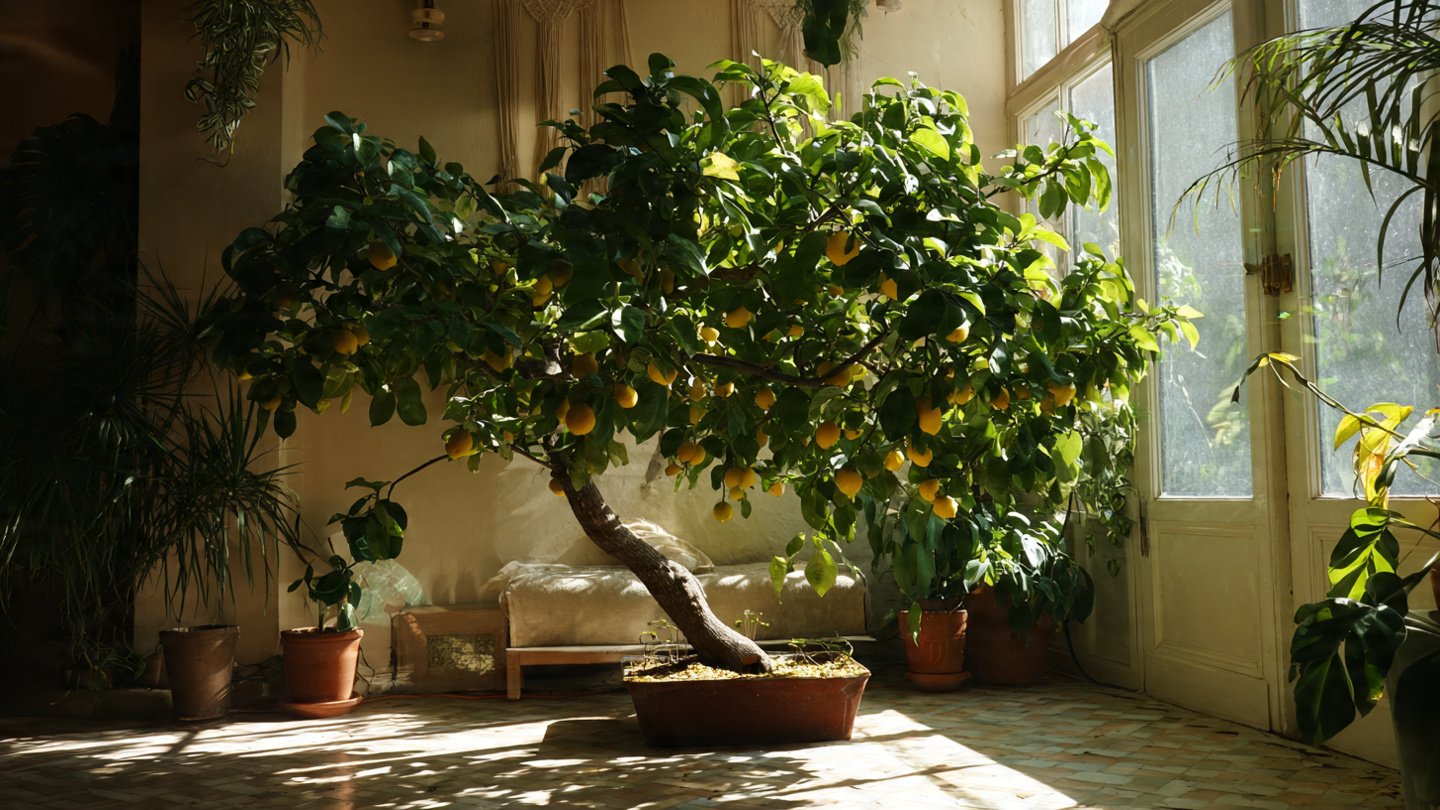
Indoor gardening has gained immense popularity over the last few years, and one of the most rewarding plants to grow indoors is the lime tree. Not only do lime trees provide you with fresh fruit, but they also enhance the ambiance of your home with vibrant greenery and delightful scents. This guide will delve into essential tips for nurturing your indoor lime tree, ensuring it thrives and produces bountiful fruit.
Understanding the Main Lime Tree
The Main lime tree, also known as the Persian lime (Citrus latifolia), is a popular choice for indoor gardeners. These trees typically grow to be about 3 to 6 feet tall, making them manageable for indoor spaces. Their glossy leaves and fragrant blossoms make them visually appealing, while their tart fruits find many uses in the kitchen—from cocktails to marinades.
Varieties of Lime Trees
While the Persian lime is the most common indoor variety, there are others like the Key lime (Citrus aurantiifolia), but this variety requires more sunlight and is usually better suited for outdoor growth. If you’re looking for a low-maintenance indoor lime tree, the Main lime tree is one of the best choices.
Choosing the Right Container and Soil
Container Selection
When choosing a container for your lime tree, consider a pot that is at least 10-12 inches deep and wide. Lime trees have a relatively shallow root system, so a round pot will provide ample space for growth and stability. Ensure the pot features drainage holes to prevent water accumulation and root rot.
Soil Requirements
The ideal soil for lime trees is well-draining and slightly acidic, with a pH of about 5.5 to 6.5. A mix of potting soil, perlite, and sand works well. This combination ensures good aeration while retaining some moisture.
Placement and Light Requirements
Ideal Location
Lime trees thrive in bright, indirect sunlight. Choose a south-facing window for optimal light exposure. If natural light is limited, consider using grow lights to provide the necessary energy for photosynthesis. A lime tree typically requires 10-14 hours of light per day, particularly during the growing season.
Temperature and Humidity
Lime trees prefer warm conditions, ideally between 65°F to 85°F (18°C to 29°C). Keep them away from drafts, air conditioning vents, and heating sources. High humidity is also beneficial—regular misting or placing a humidifier nearby can help maintain moisture levels.
Watering Practices
Establishing a Watering Schedule
Watering is crucial for the health of your indoor lime tree. The general rule is to allow the top 1-2 inches of soil to dry out between watering. Overwatering can lead to root rot, while underwatering can cause the leaves to drop.
Signs Your Tree Needs Water
If the leaves curl or turn yellow, it’s a sign your tree may need water. Conversely, if they become mushy or brown, you’ve likely overwatered. Always check the soil’s moisture level before adding more water.
Fertilization Techniques
Choosing the Right Fertilizer
Fertilizing your lime tree is essential for promoting growth and fruiting. Look for a balanced, slow-release fertilizer, or opt for one formulated specifically for citrus plants. A fertilizer with a ratio like 6-6-6 or 8-3-9 is suitable.
Frequency and Application
During the growing season (spring and summer), fertilize every 4-6 weeks. Reduce feeding in the fall and winter months when the plant enters dormancy. Always follow the instructions on the fertilizer package for the correct dosage.
Pruning and Maintenance
Importance of Pruning
Pruning your lime tree helps shape its growth, removes dead or diseased branches, and encourages bushier growth. Regular pruning can also improve air circulation, minimizing disease risk.
When and How to Prune
Prune in late winter or early spring before new growth begins. Remove any dead branches and thin out crowded areas for better light penetration. Use clean, sharp pruning shears to avoid damaging the plant.
Pest Control and Disease Management
Common Pests
Indoor lime trees can attract pests such as aphids, spider mites, and scale insects. Regularly inspect your tree for any signs of infestations. If you notice small insects or webs, act quickly.
Natural Remedies
For minor infestations, a mixture of water and mild dish soap can be effective at eliminating pests. Spray the solution on affected areas and rinse after a few hours. For severe cases, consider using insecticidal soap or neem oil.
Fungal Diseases
Watch for signs of fungal diseases like root rot or powdery mildew. Good drainage, proper watering practices, and air circulation can mitigate these issues. If you suspect root rot, remove the tree from its pot to inspect the roots, cutting away any damaged sections and repotting in fresh soil.
Pollination and Fruit Production
Pollination Basics
While lime trees can self-pollinate, introducing pollinators can enhance fruit production. If you’re growing multiple lime trees, the cross-pollination will increase your chances of obtaining fruit.
Hand Pollination
For indoor trees, consider hand pollination. Use a soft brush to transfer pollen from one flower to another. This technique can be particularly helpful in low-light conditions where natural pollinators are absent.
Expecting Fruit
Be patient; it can take a few years for your lime tree to start producing fruit. Once it does, you’ll appreciate the effort as fresh limes can enhance many dishes.
Seasonal Care
Adjusting Care for Seasons
As summer approaches, you may need to water more frequently and increase fertilization. In winter, reduce water and fertilization as the tree becomes dormant. Keep an eye on temperature changes and adjust your care routine accordingly.
Protecting Your Lime Tree
If you live in an area with cold winters, be prepared to protect your tree from drafts and temperature extremes. If necessary, consider relocating it to a warmer environment during the winter months.
Troubleshooting Common Issues
Leaf Drop
If your lime tree starts shedding leaves, it could be due to overwatering, underwatering, or sudden temperature changes. Evaluate your care routine and adjust accordingly.
Poor Growth
If your lime tree isn’t growing well, inspect for adequate light and nutrients. Ensure the soil is well-draining and check for pests.
Yellow Leaves
Yellowing leaves can indicate nutrient deficiency, typically nitrogen. Fertilizing your tree can usually rectify this issue.
Conclusion
Caring for your Main lime tree indoors can be a joyful and rewarding experience. With the right knowledge and proper maintenance, your lime tree can flourish, providing you with fresh limes and enhancing the beauty of your home. Follow these essential tips on soil, light, water, and care for a thriving indoor environment that will encourage healthy growth and fruit production. As you nurture your lime tree, you’ll likely discover that it’s not just a plant, but a vibrant addition to your indoor gardening journey. Happy gardening!