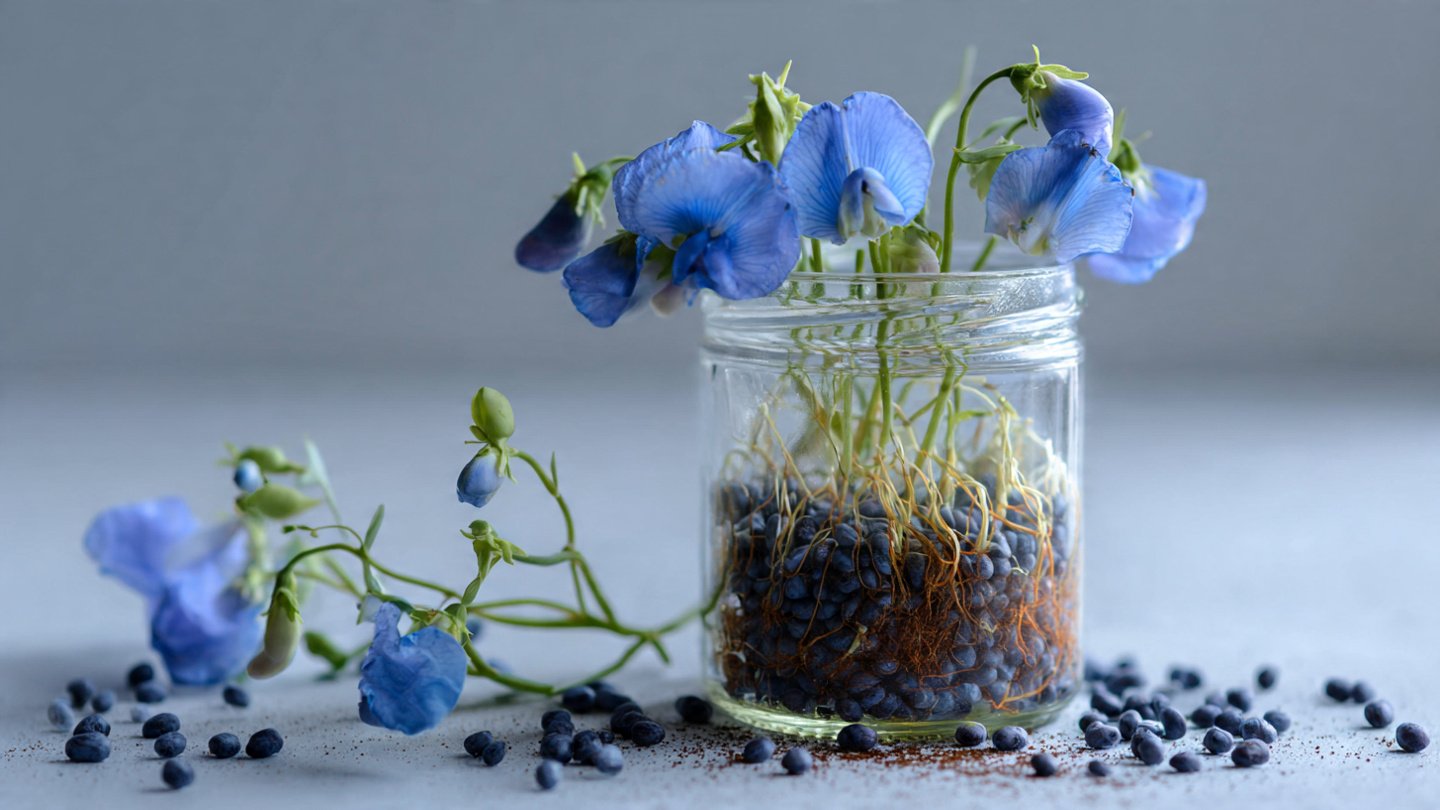
Blue pea, also known as butterfly pea (Clitoria ternatea), is a beautiful flowering plant prized for its vibrant blue flowers and its use in culinary, medicinal, and ornamental applications. Growing blue pea plants from seeds can be a rewarding experience, but achieving fast germination at home requires proper techniques and care. This article will guide you through the step-by-step process of fast blue pea seed germination, ensuring a healthy and vigorous start for your plants.
Understanding Blue Pea Seeds
Blue pea seeds are generally hard-coated, which can slow down the germination process if not properly treated. The tough seed coat acts as a natural barrier to water absorption and germination until the conditions are suitable. This is why certain pre-sowing treatments are necessary to encourage faster and more uniform germination.
Factors Influencing Germination Speed
Before diving into the germination techniques, it is essential to understand the factors that influence the speed and success of seed germination:
- Seed Quality – Fresh, viable seeds germinate faster and more successfully than old or damaged seeds.
- Seed Treatment – Scarification or soaking helps soften the seed coat and speeds up water absorption.
- Temperature – Blue pea seeds germinate best in warm temperatures, ideally between 75-85°F (24-29°C).
- Moisture – Consistent moisture is necessary but excessive water can cause seed rot.
- Light – While blue pea seeds don’t require light to germinate, providing light after sprouting helps healthy growth.
Step-by-Step Guide to Fast Blue Pea Seed Germination
Step 1: Selecting Quality Seeds
Start by purchasing fresh, high-quality blue pea seeds from a reliable source. Fresh seeds have a higher germination rate. If you are collecting seeds from existing plants, ensure they are mature and fully dried before storage.
Step 2: Pre-soaking Seeds
One of the most effective ways to speed up the germination of blue pea seeds is pre-soaking. Soaking softens the hard seed coat, allowing water to penetrate and activate the seeds.
- Place the seeds in a bowl of warm water (around 80°F or 27°C).
- Soak for 12 to 24 hours. Do not soak beyond 24 hours to avoid seed rot.
- After soaking, drain the water.
Step 3: Scarification (Optional but Recommended for Faster Germination)
Scarification involves physically scratching or nicking the seed coat to help water absorption. This step can speed up germination more than soaking alone.
- Use a nail file, sandpaper, or a small knife to gently scratch or nick the seed coat without damaging the inner seed.
- After scarification, you can soak the seeds again for a few hours to overnight before planting.
Step 4: Preparing the Planting Medium
Use a well-draining, sterile seed-starting mix or light potting soil to plant the seeds. Avoid garden soil, which may contain pathogens.
- Fill small pots or seed trays with the seed-starting mix.
- Moisten the soil evenly but don’t make it soggy.
Step 5: Planting the Seeds
- Plant the seeds about 1 inch deep in the soil.
- Cover lightly with soil and press gently to ensure good seed-to-soil contact.
Step 6: Ideal Germination Conditions
- Place the pots or trays in a warm location with temperatures between 75-85°F (24-29°C).
- Maintain consistent moisture by misting or watering gently when the topsoil feels dry.
- Cover the pots lightly with plastic wrap or a humidity dome to retain moisture but allow ventilation to prevent mold.
Step 7: Germination Timeline and Monitoring
- Germination typically occurs within 7 to 14 days under optimal conditions.
- Check daily for signs of sprouting.
- Once seedlings emerge, remove the plastic cover and move them to a location with bright indirect light or under grow lights.
Step 8: Transplanting Seedlings
- When seedlings have developed at least two sets of true leaves, they can be transplanted into larger pots or directly into the garden.
- Harden off seedlings by gradually exposing them to outdoor conditions over a week before planting outside permanently.
Additional Tips to Enhance Germination and Seedling Health
- Use Fresh Water: Always use clean, lukewarm water for soaking and watering.
- Avoid Overwatering: Too much moisture can cause seeds to rot.
- Ensure Good Air Circulation: Prevent fungal diseases by allowing some airflow.
- Use Neem Oil or Natural Fungicides: If fungal issues arise.
- Experiment with Different Methods: Some growers find success with soaking in mild hydrogen peroxide solution to reduce pathogens and improve oxygenation.
- Label Your Plantings: Keep track of germination times and seed batches for future reference.
Common Issues in Blue Pea Seed Germination and How to Fix Them
- No Germination After 2 Weeks: Could indicate old or non-viable seeds. Try scarification and ensure optimum temperature.
- Seed Rot: Usually caused by overwatering or poor drainage. Use well-draining soil and avoid excess moisture.
- Weak Seedlings: May result from insufficient light or overcrowding. Provide bright light and thin seedlings if necessary.
Why Grow Blue Pea Plants?
Blue pea plants offer a variety of uses making the effort worthwhile:
- Natural Food Coloring: The blue petals contain anthocyanins which give vibrant color to rice, beverages, and desserts.
- Medicinal Uses: Traditionally used for memory enhancement, stress relief, and eye health.
- Attractive Garden Plant: Produces striking blue flowers that attract pollinators.
- Nitrogen Fixer: As a legume, blue pea plants enrich soil nitrogen, benefiting other plants in the garden.
Conclusion
Achieving fast blue pea seed germination at home is quite manageable with the right preparation and conditions. The key to success lies in selecting quality seeds, proper pre-soaking or scarification, maintaining warm temperatures, and providing consistent moisture without waterlogging. By following these detailed steps, you can enjoy quick and healthy germination, leading to beautiful blue pea plants that enhance your garden and kitchen alike.
Happy gardening! Feel free to experiment and adapt these techniques based on your local environment for the best results.