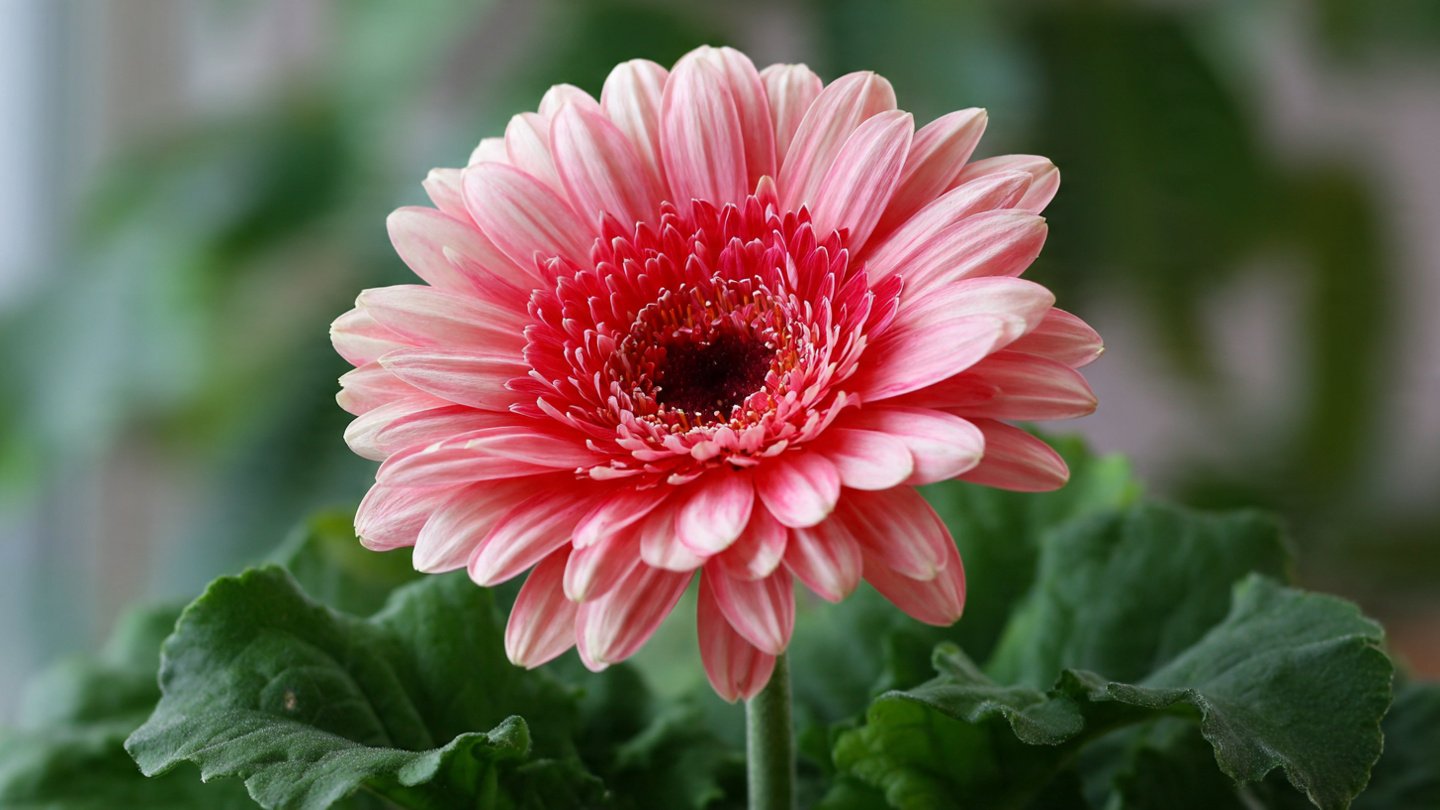
Mini Gerbera daisies, known for their vibrant colors and charming appearance, are a favorite among gardeners and flower enthusiasts. They bring joy to any setting, whether indoors or outdoors. Achieving a continuous bloom with these beautiful flowers requires understanding their needs and implementing best care practices. In this article, we will explore essential tips that will help you cultivate thriving growth and ensure your mini Gerbera daisies bloom continuously.
Understanding Mini Gerbera Daisies
Gerbera daisies belong to the Asteraceae family and are native to South Africa. Mini Gerbera varieties are smaller but share the same colorful blooms and sturdy stems as their larger cousins. These hardy plants are available in various colors, including red, orange, pink, and yellow.
Key Characteristics
- Flower Size: Mini Gerbera blooms typically range from 2 to 3 inches in diameter.
- Height: These plants generally grow between 12 to 18 inches tall.
- Lifespan: With proper care, mini Gerberas can bloom for months, making them an attractive option for continuous flowering.
Choosing the Right Location
One of the first steps in ensuring continuous bloom is to choose the right location for your mini Gerberas. They thrive in:
1. Ideal Sunlight Exposure
Mini Gerbera daisies require full sunlight for at least six hours a day. Choosing a sunny spot helps promote strong, vibrant blooms. If you’re growing them indoors:
- Place them near south or west-facing windows where they can receive ample sunlight.
- If natural light is insufficient, consider using grow lights to supplement their exposure.
2. Proper Temperature
Mini Gerbera daisies prefer moderate temperatures between 65°F and 75°F during the day and slightly cooler temperatures at night. They can tolerate a few degrees above or below this range, but extreme temperatures can hinder their growth and blooming cycle.
Soil Requirements
The right soil is crucial for mini Gerbera daisies to flourish. Here are some essential soil characteristics to consider:
1. Well-Draining Soil
Gerberas prefer well-draining soil to prevent waterlogging, which can lead to root rot. Use a soil mix designed for containers or create your own using:
- One part peat moss
- One part perlite
- One part compost
2. pH Levels
Mini Gerbera daisies thrive in slightly acidic soil, with a pH level of around 5.8 to 6.5. Regularly test your soil’s pH and amend it with sulfur or other products to maintain the appropriate levels if needed.
Watering Techniques
Proper watering is essential to sustaining healthy growth and continuous blooms. Here are some watering tips:
1. Consistent Moisture
Mini Gerberas prefer consistently moist but not soggy soil. Check the top inch of the soil; when it feels dry, it’s time to water. During the hotter months, they may require more frequent watering.
2. Watering Method
Water the plants at the base, avoiding the leaves and flowers to reduce the risk of diseases like powdery mildew. If growing in containers, ensure they have drainage holes to prevent water accumulation.
Fertilization for Thriving Growth
Regular fertilization is vital for encouraging continuous blooming and strong growth. Consider the following guidelines for feeding your mini Gerbera daisies:
1. Type of Fertilizer
Use a balanced, water-soluble fertilizer with equal parts nitrogen, phosphorus, and potassium (e.g., 20-20-20). Select a fertilizer specifically formulated for flowering plants to support vibrant blooms.
2. Fertilization Schedule
Fertilize every 4-6 weeks during the growing season (spring and summer). Follow the manufacturer’s instructions for mixing and applying the fertilizer. Reducing the frequency to every 8 weeks in the fall and winter is advisable, as the plants slow their growth during this time.
Pruning and Deadheading
To encourage continued blooming and maintain plant health, engaging in regular pruning and deadheading is essential.
1. Deadheading
Remove faded flowers by cutting them off at the base of the stem. This encourages the plant to direct its energy toward producing new blooms instead of seed formation.
2. Pruning
Trim any yellowing or dead leaves to improve air circulation and minimize the risk of pests or diseases. Ensure your pruners are clean and sharp to make clean cuts that promote healing.
Pest and Disease Management
Mini Gerbera daisies can be susceptible to various pests and diseases. Here’s how to manage them effectively:
1. Common Pests
- Aphids: Tiny green or black insects that can weaken plants. Treat them with insecticidal soap or neem oil.
- Spider Mites: Tiny red or yellow specks often found on the underside of leaves. Use a strong spray of water to dislodge them or apply insecticidal soap.
2. Diseases to Watch
- Powdery Mildew: A fungal disease that appears as white powder on leaves. Ensure proper air circulation and avoid overhead watering to prevent this.
- Root Rot: Often caused by overwatering, leading to yellowing leaves and wilting. Ensure well-draining soil and reduce watering frequency if necessary.
Propagation for Continuous Blooms
If you want to expand your mini Gerbera collection, propagation is a great way to achieve continuous blooms.
1. Division
One of the easiest ways to propagate Gerberas is through division. Carefully remove the plant from its pot and separate the roots into smaller sections, each with a leaf and bloom. Replant the sections in fresh soil.
2. Seed Propagation
You can also grow mini Gerberas from seeds. Start seeds indoors in late winter and transplant them outdoors once the danger of frost has passed. Ensure they are kept warm and moist for optimal germination.
Container Gardening
If you’re growing mini Gerberas in containers, consider these additional tips:
1. Container Size
Choose containers that are at least 6-8 inches deep to accommodate the roots. Ensure there are adequate drainage holes to prevent water from pooling.
2. Mobility
Containers allow flexibility in location, so move them around to find the ideal sunlight exposure. Ensure consistent watering and fertilization, as container-grown plants may dry out more quickly than those planted in the ground.
Seasonal Care Tips
Spring
- Begin fertilizing as growth resumes.
- Check for pests as temperatures rise.
Summer
- Increase watering frequency due to higher evaporation rates.
- Monitor for signs of stress due to heat.
Fall
- Begin reducing fertilizer applications as blooming slows.
- Remove any spent blooms to tidy up the plant.
Winter
- Protect outdoor plants from frost; consider bringing them indoors.
- Reduce watering and fertilization to accommodate the dormant season.
Conclusion
Achieving a continuous bloom with mini Gerbera daisies requires careful attention to their light, water, and nutrient needs. By providing the right environment, maintaining proper watering and fertilization routines, and managing pests and diseases, you can enjoy a vibrant and thriving display of these charming flowers throughout the blooming season. Remember to engage in regular maintenance, including deadheading and pruning, and consider propagation to expand your garden. With dedicated care, your mini Gerberas will bring beauty and joy to your life all year round. Enjoy the journey of nurturing these delightful blossoms!