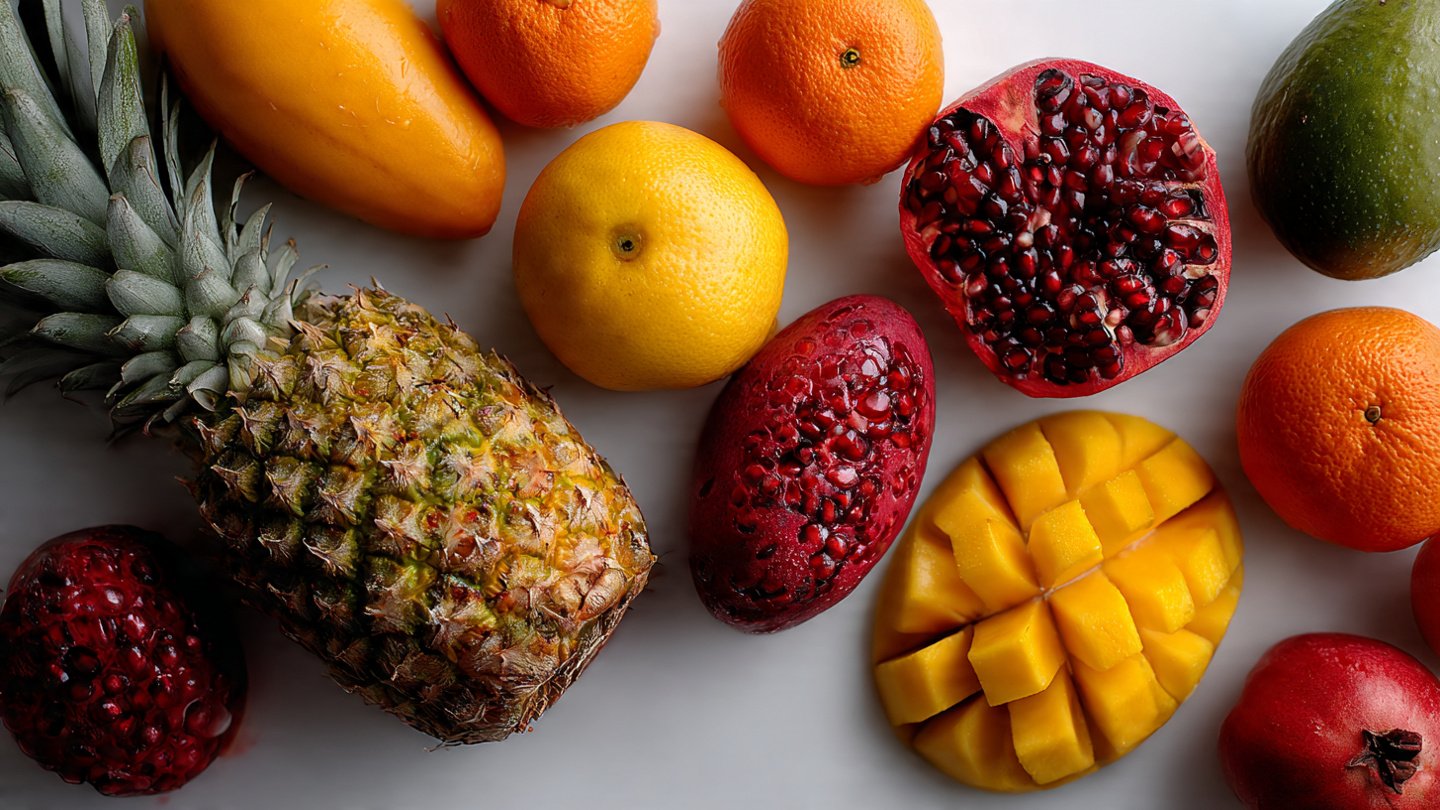
Fruits are not just delicious; they are packed with essential vitamins, minerals, and antioxidants that contribute to overall health. However, to enjoy their full flavor and nutritional benefits, proper handling and storage are crucial. One significant issue that often arises is pressure damage, which can adversely affect the quality and safety of fruits. This article will explore how improper storage leads to pressure damage, the types of fruits most affected, the signs of pressure damage, and practical tips to store your fruits correctly.
Understanding Pressure Damage
Pressure damage in fruits occurs when they experience physical stress that leads to bruising, deformation, or internal decay. This often results from factors such as weight, impact during handling or transportation, and unsuitable storage practices. Understanding the underlying causes of pressure damage can help in preventing spoilage and extending the shelf life of your favorite fruits.
1. The Role of Ethylene
Ethylene is a natural plant hormone produced by fruits that influences ripening and aging. Fruits like bananas and avocados produce significant amounts of ethylene, which can trigger a chain reaction in nearby fruits, causing them to ripen—and potentially spoil—quicker. When fruits are piled on top of one another or stored in cramped conditions, the increased pressure can cause bruising, leading to the degradation of their quality.
2. Weight and Physical Stress
One of the fundamental mechanisms leading to pressure damage is the weight of the fruit itself. For instance, when heavier fruits like apples and pears are placed on top of softer ones like blueberries or raspberries, the bottom fruits can become squished or bruised under the weight. This mechanical injury compromises cell integrity, leading to a rapid decline in quality.
3. Inadequate Ventilation
Proper ventilation is essential for fruit storage, as it allows for ethylene gas to disperse and maintains humidity levels. When fruits are stored in sealed bags or containers without airflow, they can produce excess moisture, creating an environment conducive to mold and pressure damage. This is particularly true for soft fruits that store moisture, such as strawberries and ripe peaches.
Types of Fruits Most Affected by Pressure Damage
Certain fruits are notably more susceptible to pressure damage due to their texture, size, and ripeness stage. Understanding which fruits are vulnerable can help in taking preventive measures.
1. Berries
Berries, such as strawberries, blueberries, and raspberries, are often delicate and prone to bruising. They can easily become squished when packed tightly or stacked under heavier fruits. A single bruise can not only diminish their visual appeal but also encourage mold growth.
2. Stone Fruits
Fruits like peaches, plums, and cherries have a soft flesh and thin skin, making them susceptible to pressure damage. When piled on top of each other, the soft tissue can easily become bruised, leading to unpleasant textures and tastes.
3. Bananas
Bananas produce a high amount of ethylene, and stacking them can cause bruising, especially if they are not fully ripe. The pressure can lead to browning and mushy spots that impact their flavor and longevity.
4. Apples and Pears
While firmer than many other fruits, apples and pears can still experience pressure damage if stored improperly. Bruises can affect not just the texture but also the overall quality and flavor, as damaged areas may begin to deteriorate more quickly.
Signs of Pressure Damage
Identifying pressure damage early can help to mitigate losses and prevent the disposal of perfectly good fruits. Here are some common indicators of pressure damage:
1. Bruising
Bruising is the most obvious sign of pressure damage. A bruise typically appears as a darkened area on the fruit’s surface and can range from a small spot to a larger area that compromises the fruit’s integrity.
2. Soft Spots
Soft, mushy areas on the fruit can indicate internal damage. Softness may extend beyond the visible bruising, affecting the taste and sculptural integrity of the fruit.
3. Color Changes
Fruits may begin to change color in response to damage. For instance, bananas may develop brown spots, while berries may show signs of discoloration as they begin to spoil.
4. Mold and Decay
When fruits sustain pressure damage, they may also become susceptible to mold, especially if moisture levels are high. Spots of white, fuzzy mold or signs of decay may appear, indicating that the fruit is no longer safe to consume.
Proper Storage Techniques to Prevent Pressure Damage
Now that we understand what causes pressure damage and recognize the warning signs, let’s look at practical methods to store fruits effectively.
1. Choose the Right Containers
Using breathable containers helps maintain proper airflow. Options like produce bins with vents, baskets, or cardboard boxes can offer better ventilation compared to plastic bags. Avoid overpacking; ensure each fruit has space to breathe and is not stacked too high.
2. Store Similar Fruits Together
Certain fruits produce ethylene and can hasten the ripening of others. For instance, storing bananas with apples may accelerate the ripening of both. Keep ethylene-producing fruits in one container and ethylene-sensitive fruits in another to avoid unwanted pressure damage.
3. Layering
When stacking fruits, especially delicate ones like berries, layer them carefully. Place a layer of paper towels or breathable cloth between different types of fruits or shift their arrangement to minimize direct pressure.
4. Refrigeration and Ethylene Regulation
Some fruits like apples and berries benefit from being stored in the refrigerator, as it slows down ripening and extends shelf life. Make sure to remove ethylene-producing fruits from the fridge if unnecessary to reduce exposure and pressure damage.
5. Monitoring for Ripeness
Regularly checking the ripeness of fruits can help mitigate pressure damage. Consume or process fruits nearing their peak to minimize the risk of spoilage affecting other fruits. If a fruit begins to show signs of pressure damage, consider using it in recipes or sauces rather than letting it decay.
6. Handling with Care
When transporting fruits, be gentle. Avoid tossing or dropping fruits, and use padded storage methods, such as foam-lined boxes, especially when moving large quantities. Keep soft fruits on top and away from heavier ones during transportation.
7. Employing Ethylene Absorbers
There are various ethylene-absorbing products on the market designed to help reduce the natural gas’s concentration in storage areas. Utilizing these products can help extend the life of ethylene-sensitive fruits and reduce spoilage.
Conclusion
A delectable bowl of fruit can quickly turn into a disappointing clump of bruised, spoiled produce if not stored correctly. Understanding how pressure damage happens—including the roles of ethylene and mechanical stress—is crucial for preserving the quality of your favorite fruits. By employing simple yet effective storage techniques, you can enhance your fruit’s longevity, flavor, and nutritional profiles. This will not only reduce waste but also ensure that you enjoy every bite of your cherished fruits.