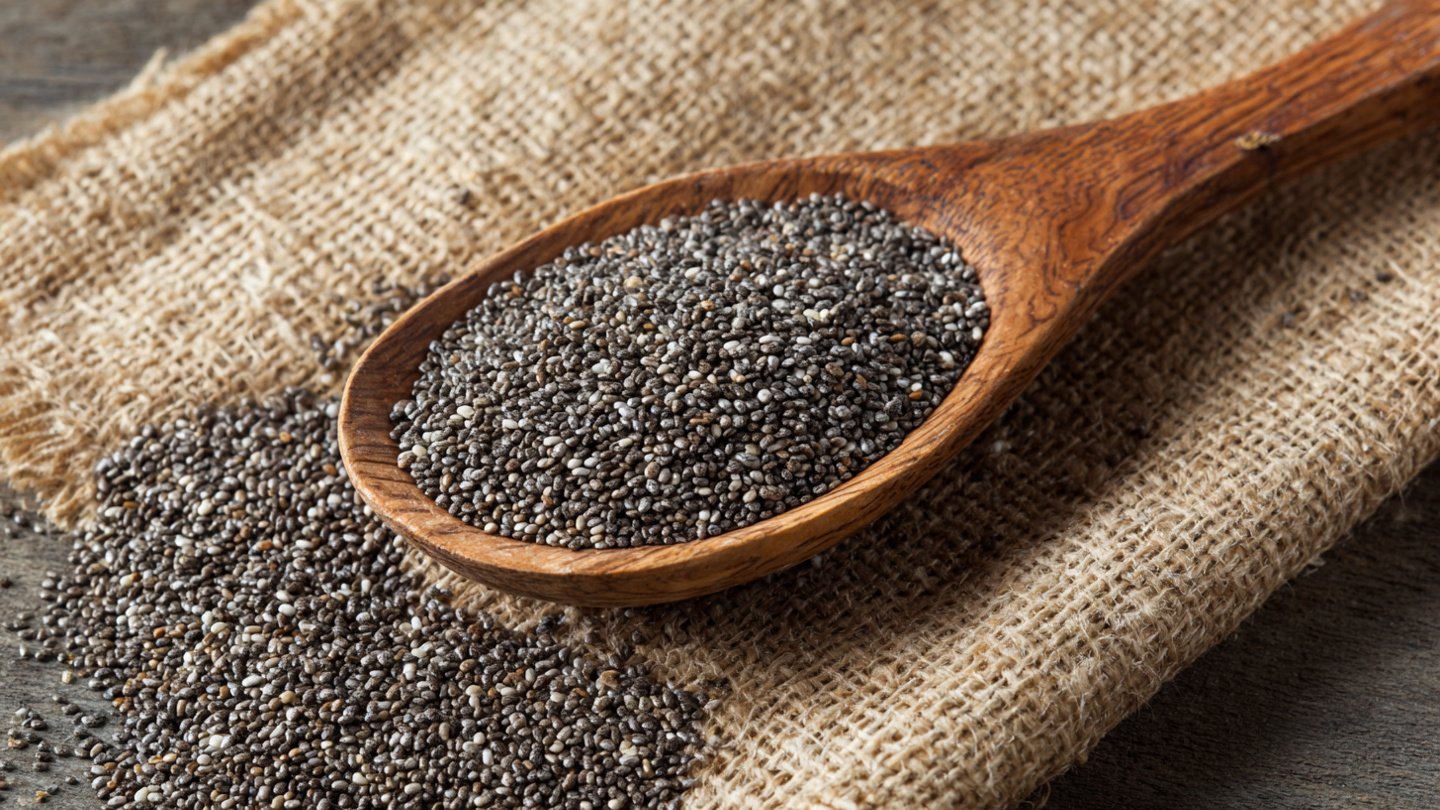
Chia seeds, derived from the Salvia hispanica plant, are recognized globally as a superfood, packed with nutrients, omega-3 fatty acids, fiber, and proteins. Originating from Mexico and Guatemala, these tiny seeds have gained immense popularity due to their health benefits. One of the most satisfying discoveries for any gardening enthusiast is being able to grow these nutritious seeds right at home. In this article, we will explore how to successfully cultivate chia seeds, ensuring a bountiful harvest of this superfood.
Choosing the Right Environment
To grow chia seeds successfully, you need the right environment. Factors such as temperature, sunlight, and soil quality are crucial in ensuring healthy plants.
Temperature and Climate
Chia plants thrive in warm climates. Ideally, they prefer temperatures ranging from 70°F to 100°F (21°C to 38°C). If you live in a cooler region, consider starting your chia seeds indoors and then transplanting them outside after the danger of frost has passed.
Sunlight Requirements
Chia plants love sunlight and require at least 6 hours of direct sunlight daily. Choose a spot in your garden or balcony where they can soak up the sun for optimal growth.
Soil Quality
Chia seeds require well-draining soil rich in organic matter. A soil pH of 6.0 to 8.0 is ideal. You can enhance your soil quality by mixing compost or well-rotted manure, which will provide essential nutrients to your chia plants.
Planting Chia Seeds
Once you have prepared the right environment, it’s time to plant your chia seeds.
When to Plant
Plant your chia seeds in late spring or early summer, after the last frost. This is when temperatures are consistently warm, providing ideal conditions for growth.
How to Plant
- Prepare the Soil: Loosen the soil and mix in organic compost to improve its nutrient content.
- Seed Spacing: Scatter the chia seeds over the soil surface, then lightly cover them with a thin layer of soil. The recommended spacing is about 12 inches apart as they can grow quite tall.
- Watering: Water gently to avoid displacing the seeds. Moist soil will encourage germination, which typically takes about 7 to 14 days.
Caring for Your Chia Plants
After planting, the care you provide will determine the success of your chia harvest.
Watering
Chia plants require moderate watering. Ensure the soil remains consistently moist but not waterlogged. Overwatering can lead to root rot. During dry spells, increase your watering frequency but allow the top inch of soil to dry out between waterings.
Fertilization
Chia plants generally do not require excessive fertilization due to their adaptable nature. However, a balanced organic fertilizer can be applied during mid-growth to encourage healthy leaf development.
Pest and Disease Management
Chia plants are relatively resistant to pests and diseases. However, watch out for aphids and spider mites. Introduce natural predators like ladybugs to combat infestations. Maintaining good garden hygiene by removing dead leaves can also prevent disease.
Harvesting Chia Seeds
After a growing season of about 3 to 4 months, it’s finally time to harvest!
When to Harvest
The best time to harvest chia seeds is when the flowers have bloomed and the seed heads turn brown. This indicates that the seeds are mature and ready for harvesting. Typically, this occurs in late summer to early fall.
How to Harvest
- Cutting the Flower Stalks: Use scissors to cut the stalks. Be cautious to cut them at their base.
- Drying: Hang the cut stalks upside down in a cool, dark, and dry place to prevent mold. Allow them to dry for about 2 weeks.
- Threshing: Once dry, gently shake the seed heads to loosen the seeds. You can also use your hands to rub the seed heads, which will help release the seeds.
- Final Cleaning: Place the seeds in a fine mesh strainer to remove any remaining debris.
Storing Your Chia Seeds
Once harvested and cleaned, storing chia seeds properly is crucial for maintaining their freshness and extending their shelf life. Store the seeds in an airtight container in a cool, dark place, and they should last for up to 5 years.
Conclusion
Growing your own chia seeds can be a rewarding experience, providing you with a fresh and nutritious superfood right from your garden. By selecting the right environment, planting and caring for your chia plants, and harvesting at the right time, you can enjoy a successful chia seed harvest. Embrace the joy of gardening, and savor the benefits of incorporating chia seeds into your diet!
FAQs
1. Can I grow chia seeds indoors?
Yes, chia seeds can be grown indoors. Just ensure that they receive enough sunlight and are placed in a well-draining potting mix.
2. How long does it take for chia seeds to germinate?
Chia seeds typically take about 7 to 14 days to germinate, depending on temperature and moisture levels.
3. Do chia plants require a lot of water?
Chia plants prefer moderate watering. It’s essential to keep the soil consistently moist but not waterlogged.
4. How can I tell when my chia seeds are ready to harvest?
Chia seeds are ready to be harvested when the flower heads are fully brown, indicating that the seeds inside are mature.
5. Can I use any type of soil to grow chia seeds?
It’s best to use well-draining soil that is rich in organic matter for optimal growth. A soil pH between 6.0 and 8.0 is ideal.