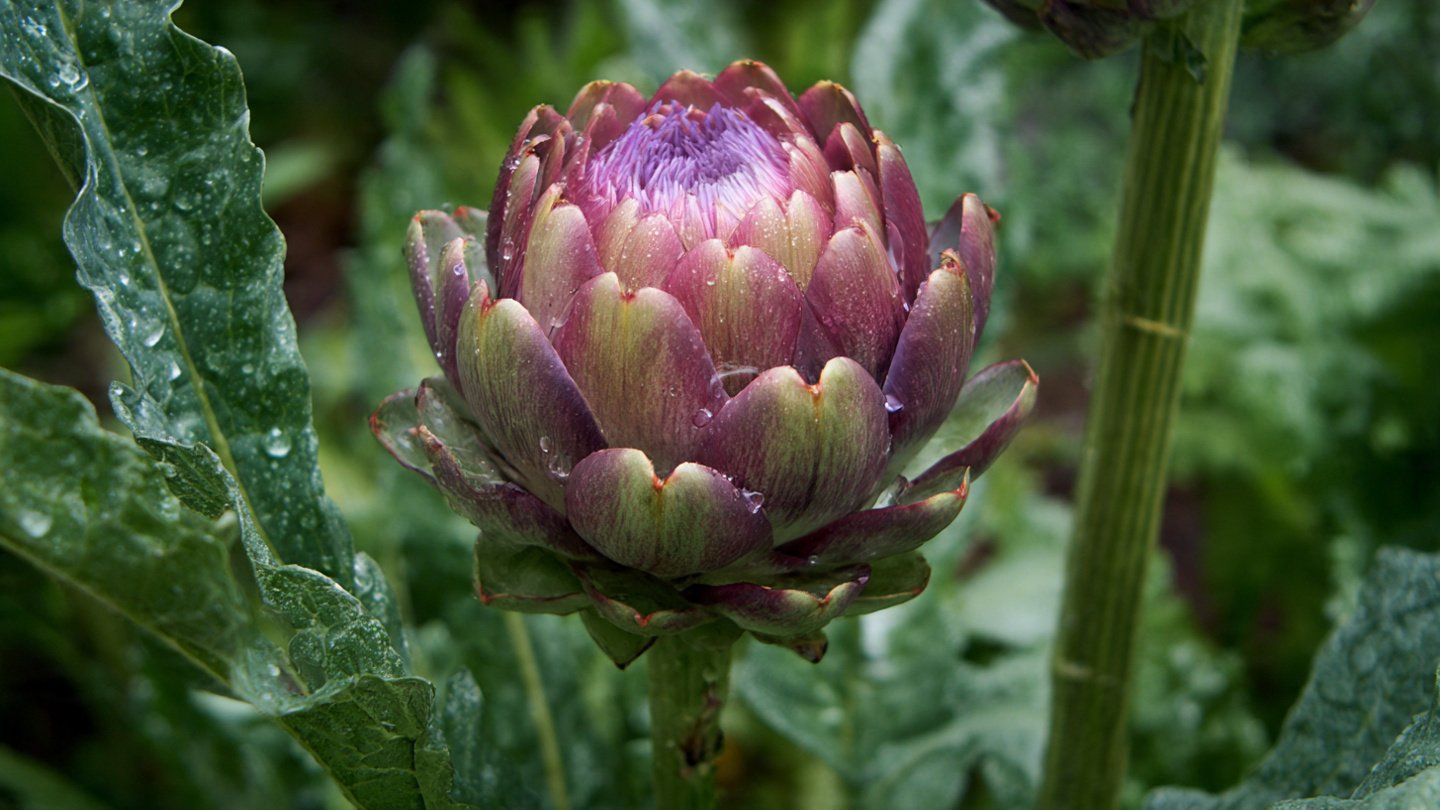
Artichokes (Cynara scolymus) are unique and delicious vegetables that can elevate any backyard garden. Many gardeners might shy away from growing artichokes due to their reputation as a more challenging plant, but with the right knowledge and techniques, they can thrive in a traditional backyard setting. This article will guide you on successfully growing artichokes, covering everything from basic requirements to harvest time.
Understanding Artichokes
Artichokes are perennial thistle plants belonging to the Asteraceae family. Native to the Mediterranean region, they thrive in warm climates and are cultivated for their edible buds and mature flower heads. Not only are artichokes a culinary delight, but they also add ornamental beauty to gardens with their large, spiky foliage and striking flower heads.
Choosing the Right Variety
When selecting artichoke varieties, consider your climate. The most popular types include:
- Green Globe: A widely grown variety with good yields and a reliable growth pattern.
- Imperial Star: An annual variety that is suitable for cooler climates.
- Baby Violet: Smaller buds with a tender texture and stunning purple hue.
Choose a variety that suits your taste preferences and climate conditions to ensure a successful harvest.
Ideal Growing Conditions
Artichokes thrive in specific conditions that you must replicate in your backyard. Here’s what they need:
Climate
Artichokes prefer mild, coastal climates with temperatures ranging from 70°F to 75°F (21°C to 24°C). They can tolerate cooler conditions but may struggle in areas with harsh winters. If you live in a cooler zone, consider starting them indoors or selecting annual varieties.
Soil Requirements
Artichokes enjoy well-drained, sandy loam soil rich in organic matter. Aim for a pH level between 6.0 and 7.0. Before planting, amend your soil with compost or well-rotted manure to boost fertility. Conducting a soil test can provide you with information on nutrient levels and pH.
Sunlight
These plants require full sun, which means at least 6 to 8 hours of direct sunlight per day. Adequate sunlight is crucial for producing healthy, tender buds.
Planting Artichokes
Once you’ve selected the right variety and prepared your garden, it’s time to plant your artichokes.
When to Plant
If you are in a warmer climate, you can transplant seedlings outdoors in spring after the last frost. For cooler regions, start your seeds indoors 8-10 weeks before the last frost and transplant them outdoors once the seedlings are sturdy and acclimatized.
How to Plant
- Space your artichoke plants about 3 feet (0.9 meters) apart in rows that are 4 to 5 feet (1.2 to 1.5 meters) apart.
- Create holes that are twice the size of the root ball and plant seedlings so that the crown is at soil level.
- Water thoroughly after planting to encourage root establishment.
Caring for Your Artichokes
Once your artichokes are in the ground, proper care is essential to ensure healthy growth.
Watering
Artichokes need consistent moisture but dislike soggy soil. Ensure they receive about 1 to 2 inches of water weekly, either from rainfall or supplemental watering. Mulching around the plants can help retain moisture and regulate soil temperature.
Fertilization
Fertilize your plants every 4 to 6 weeks during the growing season with a balanced fertilizer or compost. Be cautious not to over-fertilize, as this can lead to excessive foliage growth at the expense of bud formation.
Pest and Disease Management
Common pests include aphids, slugs, and spider mites. Regular monitoring and early intervention with insecticidal soap or organic pesticides can help manage these threats. Additionally, ensure good airflow between plants to prevent fungal diseases.
Harvesting Artichokes
Harvesting artichokes at the right time is key to enjoying them at their best. Buds should be harvested when they reach about 3 to 6 inches in diameter and before the petals start to open. This stage yields the most tender and flavorful artichokes.
How to Harvest
- Use sharp pruning shears to snip the artichoke buds from the plant, leaving a few inches of stem intact.
- Harvest buds regularly to encourage additional growth throughout the season.
- Be cautious while handling plants to avoid damaging the foliage.
Conclusion
Growing artichokes in a traditional backyard garden is a rewarding endeavor that, with the right planning and care, can yield delicious results. By understanding their needs in terms of climate, soil, and care, gardeners can create a thriving environment for these unique vegetables. Whether you choose to grow perennial or annual varieties, the effort will surely be worth the delightful culinary rewards and the ornamental beauty they bring to your garden.
FAQs
1. How long does it take to grow artichokes?
Artichokes typically take 85 to 100 days from transplanting to produce harvestable buds.
2. Can artichokes be grown in containers?
Yes, artichokes can be successfully grown in large containers (at least 5 gallons) if outdoor space is limited.
3. Do artichokes require a lot of space?
Yes, artichokes can grow quite large, so it’s essential to space them about 3 feet apart to allow for adequate growth.
4. Are artichokes perennial or annual?
Artichokes can be either perennial or annual, depending on the variety, and are often grown as perennials in warmer climates.
5. Can I grow artichokes from seeds?
Yes, you can grow artichokes from seeds, but it’s usually easier to start with transplants or seedlings, especially for first-time growers.