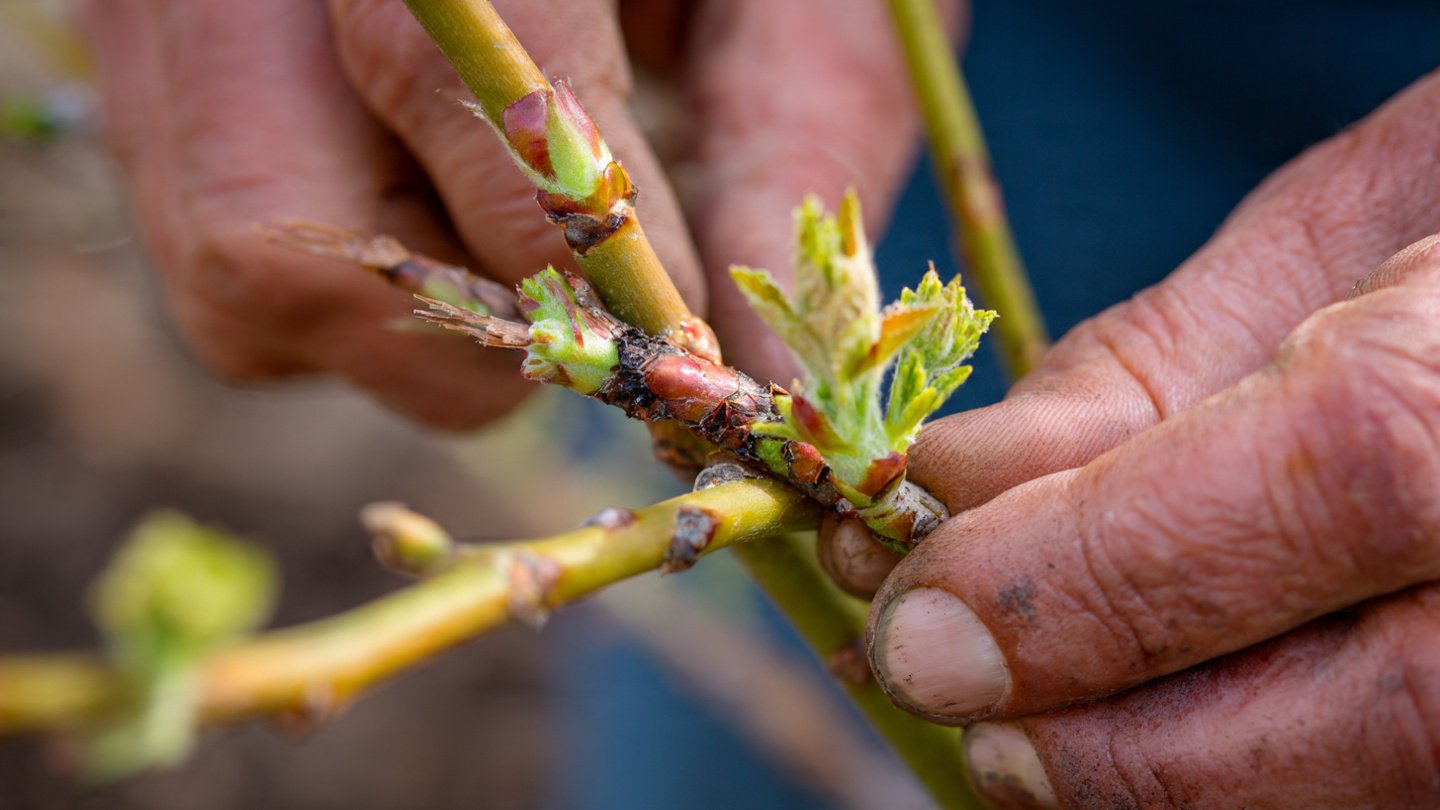
Grafting is a vital horticultural practice that allows growers to combine the best characteristics of two different plants, resulting in stronger, more resilient trees or shrubs. Whether you’re an experienced horticulturist or a novice gardener, understanding how to protect your new scions during the grafting process is crucial for a successful outcome. This article will guide you through effective methods and techniques to ensure your scions flourish.
1. Understanding Grafting and Its Importance
Grafting involves joining a scion (the part of the plant that is grafted) to a rootstock (the part that provides the root system). The two parts grow together, creating a new plant that inherits the qualities of both. Successful grafting can lead to enhanced growth, improved disease resistance, and better fruit quality.
2. Selecting the Right Scions
The first step in safeguarding your scions is to choose the appropriate ones. Consider the following factors:
- Health and Vigor: Ensure the scions you select are healthy, free from disease, and show signs of vigorous growth.
- Suitability: Only use scions that are genetically compatible with the rootstock. Different plant species or varieties may not successfully graft.
- Timing: Harvest scions at the appropriate time. Most deciduous trees should be grafted during their dormant season, while some species may require grafting in spring.
3. Preparing the Scions
Preparation is key when it comes to protecting your scions. Here are steps to consider:
- Cleansing: Ensure that tools are sterile to prevent introducing pathogens.
- Selection of Buds or Shoots: Choose buds or shoots that are young and healthy. Cut them with a sterile knife, taking care to preserve the bark.
- Storage: If you’re unable to graft immediately, store the scions in a cool, moist environment. Wrap them in damp paper towels and place them in a plastic bag in the refrigerator.
4. Grafting Techniques
There are various grafting techniques, and each has its own safeguards:
- Whip and Tongue Graft: This technique allows for a large surface area for contact. Make sure the cuts are clean and that you align the cambium layers of both scion and rootstock to promote healing.
- Bud Grafting: This involves inserting a bud from the scion into the rootstock. To protect the bud, ensure it is shielded from drying out by wrapping it snugly with grafting tape.
- Cleft Grafting: Use this if the rootstock is substantially thicker than the scion. Cover exposed areas with wax or tape to prevent desiccation.
5. Environmental Considerations
Environmental factors play a significant role in the success of grafting:
- Humidity: Maintain a humid environment, especially if you’re in a dry climate. Misting the scions can help retain moisture.
- Temperature: Graft during cooler parts of the day to prevent heat stress. Optimal temperatures promote quicker healing.
- Protection from Stress: Shade the grafted plants from harsh sunlight to reduce moisture loss while they are healing.
6. Post-Grafting Care
After grafting, the care you provide is crucial. Here’s what to focus on:
- Watering: Ensure adequate moisture in the soil without causing waterlogging. Healthy, moist soil fosters better healing.
- Fertilizing: Avoid heavy fertilization immediately after grafting; focus on using a diluted fertilizer to prevent stress on the scion.
- Monitoring: Regularly check for signs of growth or distress in the scions. If any grafts fail, re-graft using fresh materials.
7. Use of Protective Materials
A wide range of protective materials can be utilized to safeguard your scions:
- Grafting Tape: This helps hold the scion in place while protecting it from moisture loss.
- Wax: Applying grafting wax helps seal cuts and protects against pathogens and moisture loss.
- Plastic Bags: You can create a mini-greenhouse effect by placing plastic bags over the grafted area, which helps maintain humidity.
Conclusion
Safeguarding your new scions during the grafting process is essential for ensuring a successful union with the rootstock. By selecting healthy materials, utilizing appropriate grafting techniques, and providing careful post-grafting care, you can significantly increase the chances of successful grafting. Remember that patience and regular monitoring are vital components of this art. With practice and attention to detail, you will soon see thriving plants that showcase the best traits of their parent varieties!
FAQs
What is the best time of year to graft?
The best time for grafting typically depends on the type of plant you are working with. For deciduous trees, late winter to early spring is ideal, while some plants may benefit from late summer grafting.
How long does it take for grafts to take?
It generally takes a few weeks to several months for grafts to take, depending on the type of plant and environmental conditions. You’ll want to monitor them closely during this period.
Can I graft unrelated species?
It is crucial to use compatible species for grafting. While some cross-species grafts can be successful, many plants require closely related species for a successful graft.
What should I do if my graft fails?
If your graft fails, don’t be discouraged! It can help to analyze what might have gone wrong—whether it was technique, environmental conditions, or compatibility—and try again with fresh materials.