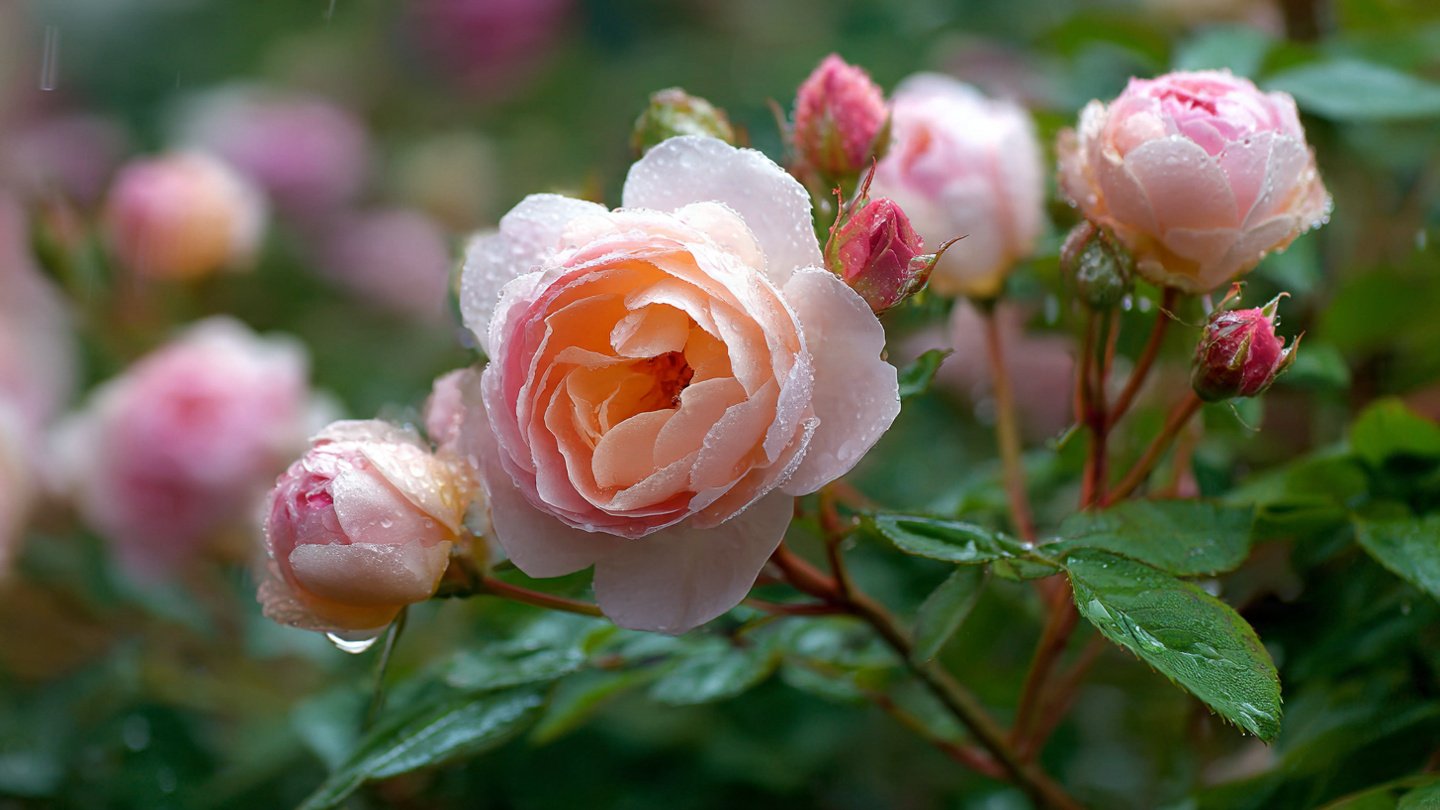
How Can You Grow Professional Grade Roses at Home Easily?
Growing roses can seem daunting, but with the right guidance, you can cultivate beautiful, professional-grade roses in your own backyard. This guide will provide you with all the essential steps, tips, and tricks to help you on your journey towards becoming a successful rosarian.
Understanding Rose Varieties
Before planting, it’s important to understand the different types of roses available. There are several varieties, including:
- Hybrid Teas: Known for their long stems and large blooms, these are perfect for cutting.
- Floribundas: These produce clusters of blooms and have a continuous flowering cycle.
- Grandifloras: A hybrid of hybrid tea and floribunda, offering the best of both worlds.
- Climbers: Excellent for vertical gardening, climbers can cover trellises and arches.
- Knock Out Roses: These are low-maintenance and very disease-resistant.
Selecting the Right Location
Roses love sunlight and thrive best in areas where they can receive at least 6-8 hours of direct sunlight each day. The ideal location should have:
- Good air circulation to prevent diseases.
- Well-draining soil to avoid root rot.
- Protection from harsh wind, which can damage delicate blooms.
Soil Preparation
Quality soil is essential for growing healthy roses. Here’s how to prepare your soil:
- Choose the Right Type of Soil: Aim for loamy, well-draining soil rich in organic matter.
- Test Soil pH: Roses thrive in slightly acidic soil with a pH between 6.0 and 6.8.
- Amend the Soil: Incorporate compost or well-rotted manure to enhance nutrients and drainage.
Choosing the Right Roses
When selecting roses, consider your climate and the amount of care you are willing to provide. Buy healthy, disease-free plants from a reputable nursery or garden center. Look for:
- Strong, green foliage.
- A good root system (at least 3-5 main roots).
- Healthy stems without black spots or discoloration.
Planting Your Roses
Once you have your roses and the soil is prepared, it’s time to plant. Follow these steps:
- Dig the Hole: Make a hole about twice the width of the root ball and just as deep.
- Add Fertilizer: Incorporate a balanced slow-release fertilizer into the hole.
- Place the Plant: Position the rose bush so that the graft union (swelling on the stem) is just above the soil line.
- Fill and Water: Backfill the hole with soil, gently tamp down, and water thoroughly.
Watering Techniques
Proper watering is critical for rose health:
- Frequency: Water deeply about once a week, more frequently during dry spells.
- Method: Water at the base to avoid wetting the foliage, which can promote disease.
- Mulch: Apply a layer of mulch to conserve moisture and suppress weeds.
Fertilization
Fertilizing your roses is essential for robust growth and beautiful blooms. Consider these tips:
- Routine: Fertilize regularly during the growing season (spring to late summer).
- Type: Use a rose-specific fertilizer or a balanced fertilizer (like 10-10-10).
- Timing: Apply fertilizer once a month, reducing frequency in late summer to prepare plants for dormancy.
Pest and Disease Management
Common pests include aphids, spider mites, and Japanese beetles. Here are some management strategies:
- Inspection: Regularly check your plants for signs of pests or disease.
- Insecticidal Soap: Use organic insecticidal soaps to control pests without harmful chemicals.
- Fungicides: If you notice fungal diseases, apply fungicides as needed.
- Companion Planting: Plant marigolds or garlic nearby to deter pests naturally.
Pruning and Training
Pruning is essential for maintaining plant health and encouraging blooming:
- When to Prune: Late winter or early spring, before new growth begins.
- Method: Remove dead or weak wood, and trim healthy canes to promote shape and air circulation.
- Training: For climbing roses, train stems along trellises or support structures.
Winter Protection
Preparing your roses for winter ensures they survive freezing temperatures:
- Mulch: Apply a thick layer of mulch around the base to insulate roots.
- Cover: In particularly harsh climates, consider wrapping the base or using rose cones for added protection.
Conclusion
Growing professional-grade roses at home is entirely achievable with the right knowledge and care. By understanding rose varieties, selecting the right location, preparing your soil, and implementing proper watering, fertilization, and pest management techniques, you can cultivate stunning roses that will enhance your garden. Remember, patience and consistent care are key to your success.
FAQs
1. How often should I water my roses?
Water deeply about once a week, or more frequently during dry spells. Aim to keep the soil consistently moist but not soggy.
2. When is the best time to prune my roses?
The best time to prune roses is in late winter or early spring before new growth begins. This encourages healthier blooms.
3. What are the signs of disease in roses?
Common signs include yellowing leaves, spots or blotches on leaves, wilting, and stunted growth. Regular inspection can help catch issues early.
4. Can I grow roses in pots?
Yes, many roses can thrive in pots. Ensure your container has good drainage and use high-quality potting soil for best results.
5. How do I choose the right fertilizer for my roses?
Opt for a rose-specific fertilizer or a balanced fertilizer with equal parts nitrogen, phosphorus, and potassium, applied regularly during the growing season.