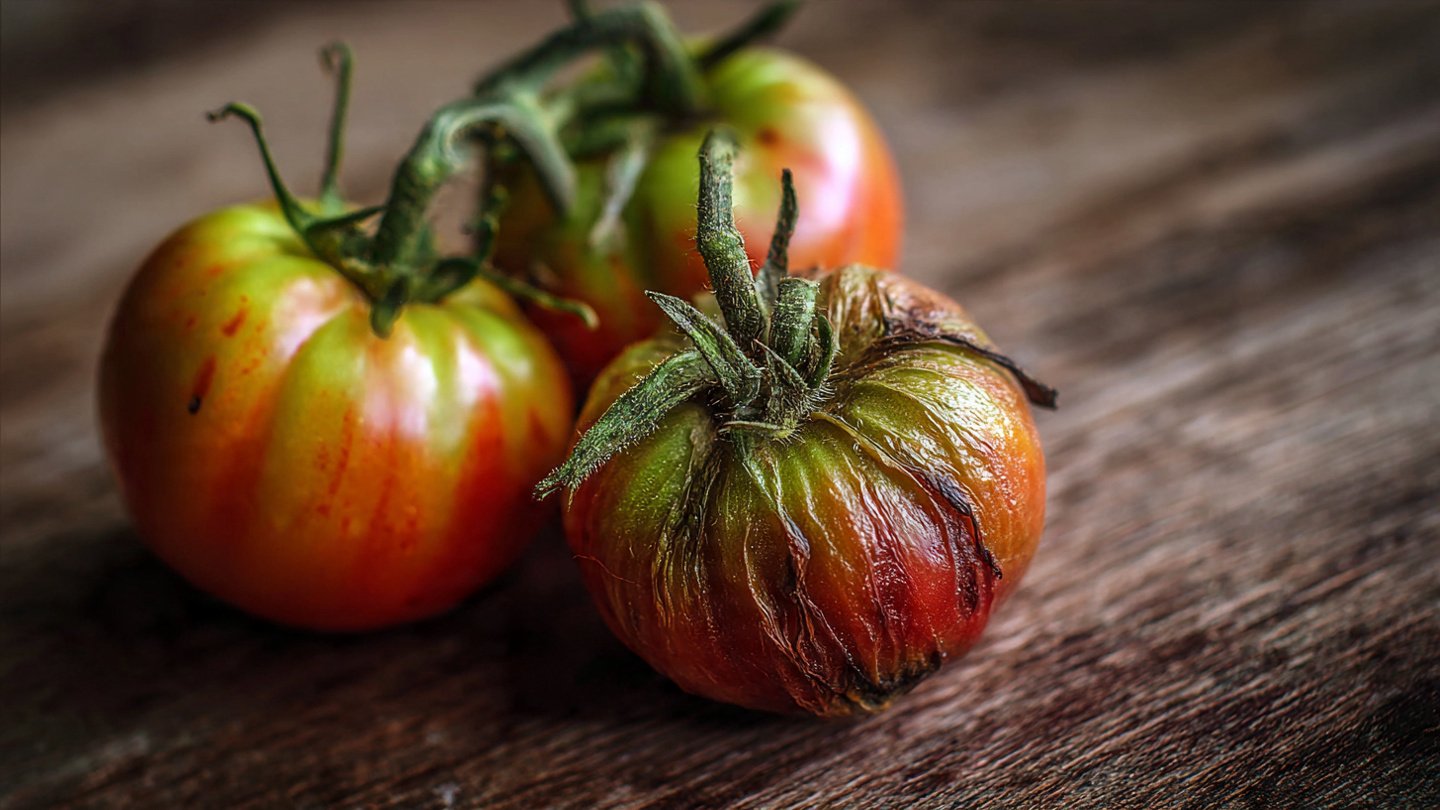
Blossom end rot is a common physiological disorder affecting tomatoes, marked by the characteristic dark, sunken spots that develop on the blossom end of the fruit. While not a disease, it is often a result of environmental conditions and improper nutrient uptake. This condition can render fruits unmarketable, impacting both home gardeners and commercial growers alike. Understanding how to prevent bloom end rot is crucial for ensuring a healthy, productive tomato harvest.
Causes of Blossom End Rot
Blossom end rot primarily results from a calcium deficiency in the developing fruit. However, other factors can contribute, including:
- Inconsistent Watering: Fluctuations in soil moisture can hinder calcium uptake by the roots.
- High Nitrogen Levels: Excessive nitrogen can promote rapid plant growth, potentially increasing susceptibility to the disorder.
- Soil pH: Soil that is too acidic or alkaline can affect nutrient availability, particularly calcium.
- Root Damage: Physical damage to the roots from cultivation, pests, or disease can impair nutrient absorption.
Preventing Blossom End Rot
To combat and prevent blossom end rot effectively, a combination of cultural practices and proper management techniques should be implemented.
1. Maintain Soil Moisture
Consistent soil moisture is fundamental in preventing blossom end rot. Irregular watering can lead to stress that affects nutrient uptake. Consider the following:
- Water deeply and regularly. Aim for about 1-2 inches of water per week, including rainfall.
- Use mulch to help retain moisture in the soil and reduce temperature fluctuations.
- Monitor soil moisture levels using a moisture meter or your fingertip to ensure even hydration.
2. Optimize Calcium Levels
Ensuring adequate calcium availability is crucial. Strategies include:
- Add lime or gypsum to your soil if calcium levels are low. Conduct a soil test to determine baseline calcium levels.
- Incorporate crushed eggshells into the soil, as they provide a natural source of calcium.
- Use foliar sprays containing calcium during the early fruiting phase to boost calcium levels in the developing fruit.
3. Monitor Soil pH
For optimal nutrient availability, aim to keep your soil pH between 6.0 and 6.8. Here’s how to manage soil pH:
- Conduct regular soil tests to monitor pH levels.
- Amend soil as needed with lime to raise pH or sulfur to lower it.
4. Manage Fertilization
Proper fertilization plays a significant role in preventing blossom end rot:
- Use balanced fertilizers that are low in nitrogen but provide adequate potassium and phosphorus.
- Utilize slow-release fertilizers to reduce the risk of nutrient spikes that may lead to problems.
- Consider adding compost to enrich the soil with micronutrients and beneficial organisms.
5. Promote Healthy Root Systems
Healthy root systems are vital for nutrient uptake. To promote robust root growth, you can:
- Avoid soil compaction around the roots by minimizing foot traffic in the garden beds.
- Mulch around the base of the plants to maintain a stable temperature and moisture level.
- Employ crop rotation and companion planting to discourage pest and disease prevalence.
Choosing the Right Tomato Varieties
Some tomato varieties are more resistant to blossom end rot than others. When selecting seeds or seedlings, opt for:
- Early-maturing varieties that are less prone to stress during critical growth phases.
- Varieties specifically bred for resilience against blossom end rot.
Monitoring and Identifying Symptoms
Being proactive in monitoring your plants can prevent blossom end rot from taking hold:
- Regularly check the fruit for any signs of dark spots before they spread.
- Observe overall plant health, including leaf color and vigor, to determine if any adjustments are necessary.
Conclusion
Preventing blossom end rot in tomatoes requires a multifaceted approach focusing on moisture management, nutrient optimization, and vigilant monitoring. By implementing these strategies and understanding the underlying causes, gardeners can significantly reduce the risk of this common disorder. Remember, a healthy and consistent care routine plays a crucial role in achieving a bountiful tomato harvest.
FAQs
What is blossom end rot?
Blossom end rot is a physiological disorder in tomatoes characterized by dark, sunken spots on the bottom of the fruit, primarily caused by calcium deficiency and inconsistent watering.
How can I tell if my tomatoes have blossom end rot?
Look for dark, sunken spots that appear on the blossom end of the fruit. This typically occurs as the fruit matures.
Can I still eat tomatoes affected by blossom end rot?
While tomatoes with minor blossom end rot can still be edible if the damage isn’t extensive, the affected parts should be cut away before consumption.
Is it too late to prevent blossom end rot if I see symptoms?
If you spot symptoms, it’s important to address the underlying causes immediately. While you cannot fix the current fruit, you can take action to prevent further occurrences.
What are the best calcium sources for preventing blossom end rot?
Good sources of calcium include lime, gypsum, crushed eggshells, and calcium-rich fertilizers or foliar sprays.