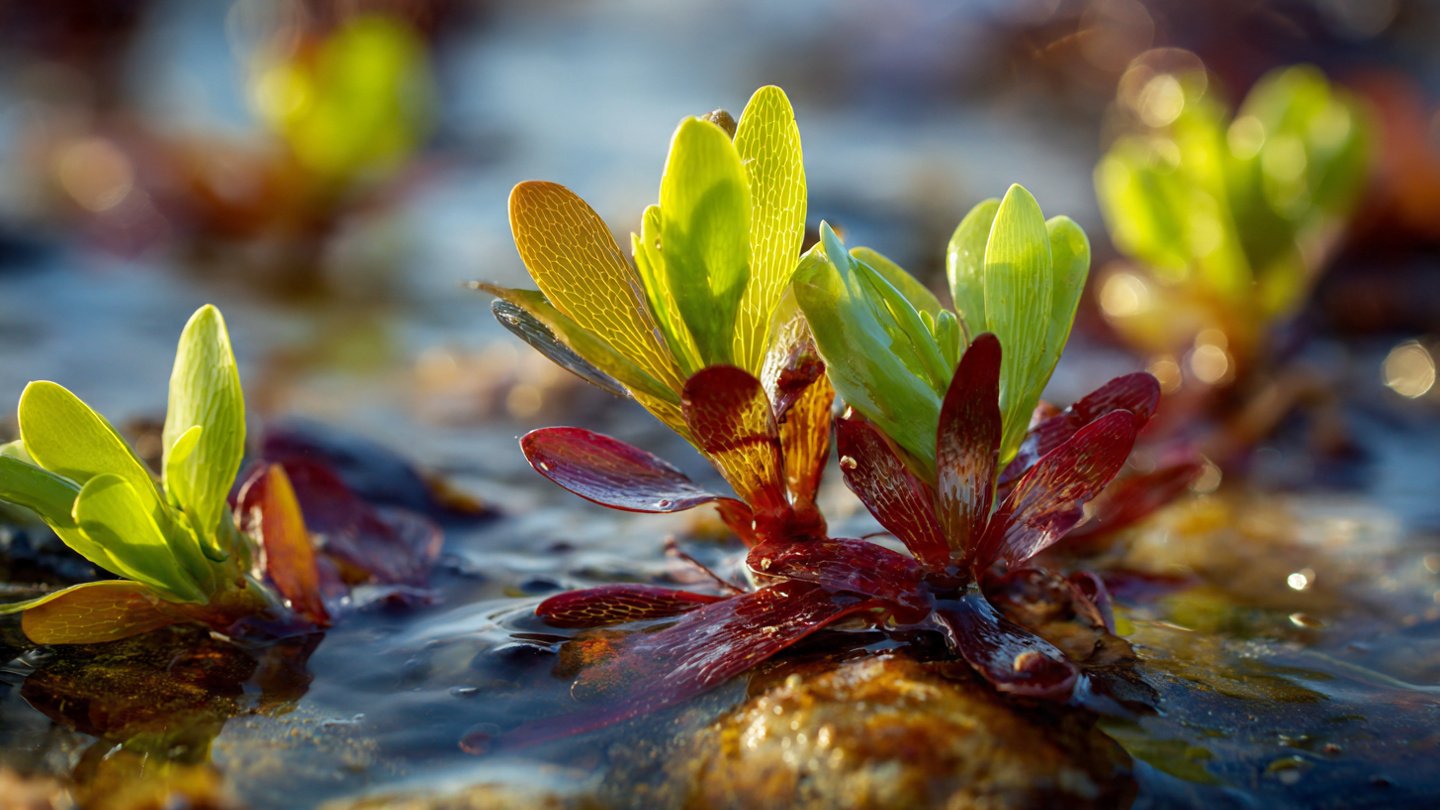
Organic seaweed extract has gained popularity among gardeners and farmers worldwide due to its numerous benefits for plant health and growth. Derived from various species of seaweed, this natural fertilizer contains essential nutrients, growth regulators, and bioactive compounds that can significantly enhance soil health and promote plant resilience. In this article, we will explore how to effectively feed your plants with organic seaweed extract, the benefits it offers, and tips for maximizing its use.
What is Organic Seaweed Extract?
Organic seaweed extract is a concentrated liquid or powder made from seaweed species, commonly kelp, which is rich in natural growth hormones and micronutrients. It contains essential elements such as nitrogen, phosphorus, potassium, calcium, magnesium, and trace minerals like zinc, iron, and manganese. The extraction process preserves the beneficial compounds, making it an excellent choice for promoting plant growth.
Benefits of Using Organic Seaweed Extract
Incorporating seaweed extract into your gardening practices offers numerous advantages:
- Nutrient-Rich: Seaweed is a natural source of essential nutrients that support plant growth.
- Stimulates Growth: The growth hormones present in seaweed help stimulate root development and overall plant growth.
- Enhances Soil Health: Seaweed extract improves soil structure, promotes microbial activity, and increases nutrient availability.
- Boosts Resilience: Regular application can help plants withstand environmental stresses such as drought, pests, and diseases.
- Organic and Eco-Friendly: Being a natural product, seaweed extract is safe for the environment and supports sustainable gardening practices.
How to Use Organic Seaweed Extract Effectively
To reap the maximum benefits from organic seaweed extract, follow these guidelines:
1. Choose the Right Product
When selecting an organic seaweed extract, opt for high-quality products free from synthetic additives and contaminants. Look for products that list the specific type of seaweed used, as different species can offer varying nutrient profiles.
2. Determine the Application Method
Organic seaweed extract can be applied in several ways, depending on your gardening needs:
- Foliar Spray: Dilute the seaweed extract in water as per the product instructions and spray it directly onto the leaves. This method allows for quick absorption of nutrients.
- Soil Drench: Mix the extract with water and apply it to the soil, allowing the nutrients to penetrate the root zone.
- Seed Soaking: Soak seeds in a diluted seaweed extract solution before planting to enhance germination and early growth.
3. Dilution Ratios
It is crucial to follow the appropriate dilution ratios for seaweed extract applications. Generally, a common ratio for foliar sprays is 1:100 (1 part seaweed extract to 100 parts water). For soil drenches, a ratio of 1:250 may be suitable. However, always refer to the specific product’s instructions for the best results.
4. Timing of Application
Timing is essential for maximizing the benefits of seaweed extract:
- Before Planting: Use seaweed extract in the soil before planting to improve nutrient content and soil structure.
- During Growth Stages: Apply during critical growth stages, such as seedling development and flowering, to boost vigor.
- After Stress Events: Apply after heat, drought, or pest stress to help plants recover more quickly.
5. Frequency of Application
The frequency of application depends on the needs of your plants and soil conditions. A general recommendation is to apply seaweed extract every 2-4 weeks during the growing season for optimal results.
6. Combine with Other Nutrients
For enhanced effectiveness, consider combining seaweed extract with other organic fertilizers (such as compost or fish emulsion) to create a holistic nutrient plan for your plants. Be cautious not to over-fertilize, as this could lead to nutrient imbalances.
7. Observe Plant Responses
After applying seaweed extract, take the time to observe your plants’ responses. Look for signs of growth improvement, healthier foliage, and enhanced flower or fruit production. Monitoring progress will help you adjust your application methods over time.
Conclusion
Feeding your plants with organic seaweed extract can yield incredible benefits, enhancing their growth, resilience, and overall health. By following the appropriate application methods and guidelines, you can leverage this powerful natural fertilizer to support sustainable gardening practices. With its rich nutrient profile and environmental friendliness, organic seaweed extract is an excellent addition to any gardener’s toolbox. Whether you’re a seasoned horticulturist or a novice green thumb, incorporating seaweed extract can help you achieve thriving plants and a flourishing garden.
FAQs
Q1: Is seaweed extract safe for all plants?
A1: Yes, organic seaweed extract is generally safe for most plants, including vegetables, fruits, flowers, and shrubs. However, always check specific product instructions for any plant restrictions.
Q2: Can I make my own seaweed extract at home?
A2: Yes, you can create a homemade seaweed extract by soaking cleaned, dried seaweed in water for a few weeks. This DIY solution can then be diluted and used similarly to commercial products.
Q3: How long does it take to see results after applying seaweed extract?
A3: Results can vary based on plant type and growing conditions, but many gardeners notice improved growth and resilience within a few weeks of regular application.
Q4: Can seaweed extract help with pest control?
A4: While seaweed extract is not a pesticide, it can improve plant health and resilience, making them less susceptible to pest infestations and diseases.
Q5: Should I stop using other fertilizers if I use seaweed extract?
A5: Not necessarily. Seaweed extract can complement other fertilizers. It’s essential to create a balanced nutrient plan tailored to your plants’ needs.