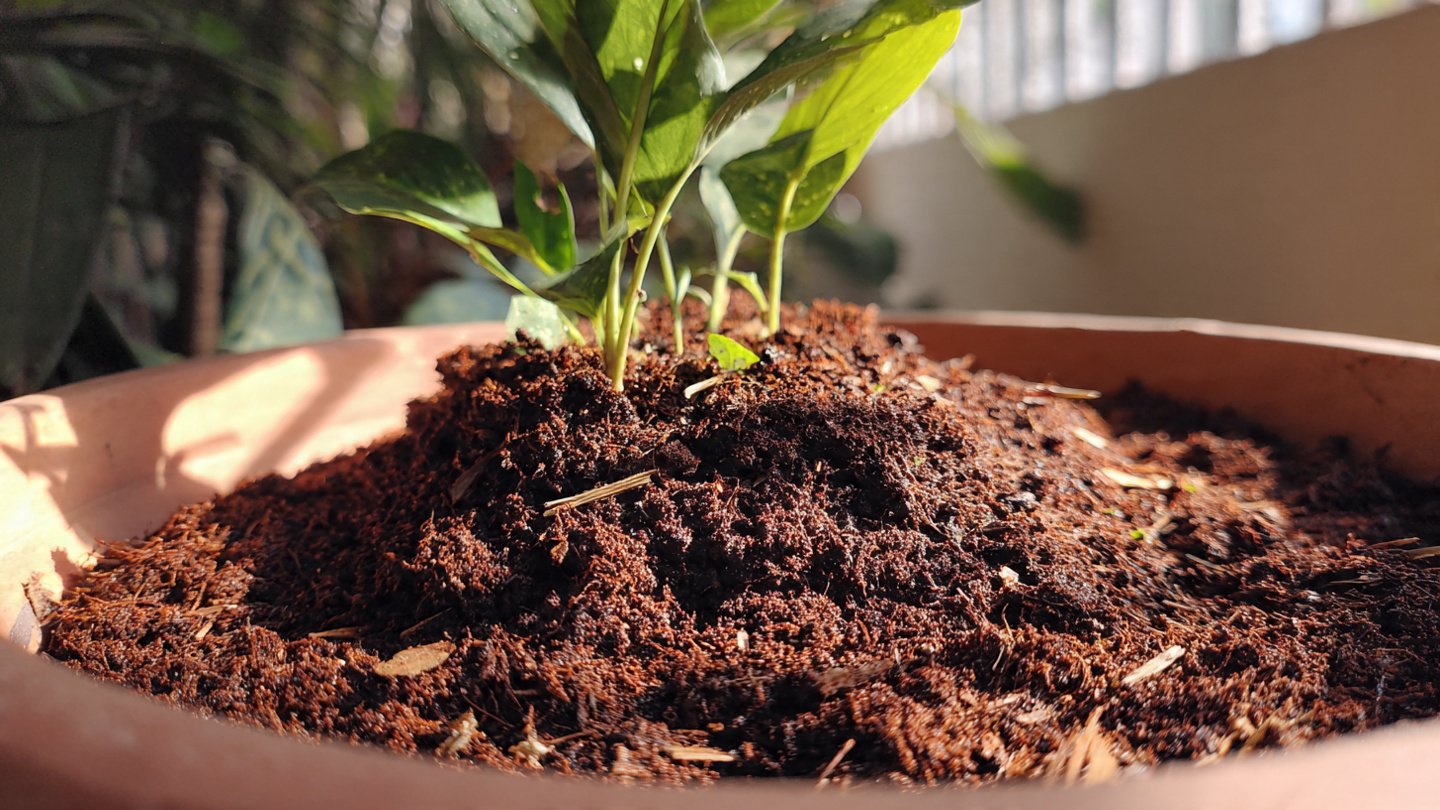
Aroids, a family of plants that includes popular species like philodendrons, monsteras, and anthuriums, thrive in a well-draining soil mix. The right soil is crucial for promoting healthy root development, ensuring good aeration, and retaining adequate moisture. This article will provide insights into creating the perfect aroid soil mix at home, detailing the necessary components, steps, and care tips for your plants.
Understanding Aroids and Their Soil Needs
Aroids originate from tropical and subtropical environments, where they grow in rich, organic materials often found in humid, forested areas. They require a soil mix that mirrors their natural habitat, offering both nutrient retention and drainage. A standard potting mix can often be too dense and may retain too much moisture, leading to root rot.
Essential Components of Aroid Soil Mix
To create an ideal aroid soil mix, you’ll need several essential components:
1. Peat Moss or Coco Coir
Both peat moss and coco coir serve as excellent base materials, providing organic matter and moisture retention. While peat moss is widely used, coco coir is more sustainable and environmentally friendly. Choose one based on your preference.
2. Perlite
Perlite enhances drainage and aeration within the soil. This lightweight volcanic glass adds porosity, allowing roots to breathe and preventing waterlogging.
3. Orchids Bark
Orchid bark breaks down slowly and provides excellent aeration. It also mimics the natural growing environment of aroids, allowing them to thrive.
4. Activated Charcoal
Activated charcoal helps absorb toxins and prevents mold growth in the soil mix. It can enhance the overall health of your plants by improving soil quality.
5. Worm Castings or Organic Fertilizer
Incorporating worm castings or organic fertilizer ensures that your plants receive essential nutrients. These organic amendments support healthy growth and improve soil structure.
6. Additional Amendments
You may also consider adding components like sand for extra drainage, rice hulls, or even small amounts of horticultural lime to adjust pH levels, depending on your specific plant needs.
Step-by-Step Guide to Create Aroid Soil Mix
Follow these steps to create a well-balanced aroid soil mix:
Step 1: Gather Your Materials
Before you start, ensure you have the following materials at hand:
- Peat moss or coco coir
- Perlite
- Orchid bark
- Activated charcoal
- Worm castings or organic fertilizer
- A large mixing container
Step 2: Mix Your Base Ingredients
In your mixing container, start by measuring out one part of peat moss or coco coir. Then add one part perlite and one part orchid bark. This combination will create a base that provides moisture retention and excellent drainage.
Step 3: Incorporate Charcoal and Fertilizer
Next, add a handful of activated charcoal to the mix and then include two handfuls of worm castings or organic fertilizer. This combination will provide the necessary nutrients while keeping the soil healthy.
Step 4: Adjust Texture and Drainage
If needed, add small amounts of sand or rice hulls to the mixture to enhance drainage further. Ensure the texture feels light and airy; this is crucial for aroid health.
Step 5: Mix Thoroughly
Mix all the ingredients well until you achieve a consistent texture. It’s important that all components are evenly distributed to ensure effective moisture retention and drainage.
Step 6: Test the Soil
Before potting your aroids, you might want to test the soil. A good test is to wet a small batch and see if it retains moisture without becoming soggy. Adjust your mix if necessary.
Potting Your Aroids
Once your aroid soil mix is ready, it’s time to pot your plants. Choose a pot with drainage holes, filling it about one-third with the mix before placing your plant in. Add more mix until the plant is stable, leaving a couple of inches of space at the top for watering. Water the plant thoroughly and allow excess water to drain out.
Tips for Maintaining Healthy Aroids
Creating the right soil mix is just the beginning. Here are some additional tips to ensure your aroids thrive:
- Watering: Aroids generally prefer their soil to dry out slightly between waterings. Aim for a balance that avoids both sogginess and drought.
- Humidity: These plants thrive in higher humidity levels. Use a humidity tray or mist the plants occasionally to boost moisture.
- Light Conditions: Provide bright, indirect light. Direct sunlight can scorch their leaves.
- Monitoring for Pests: Regularly check for pests like spider mites or aphids. Treat any infestations promptly to keep your plants healthy.
Conclusion
Creating the perfect aroid soil mix can significantly enhance your plants’ health and growth potential. By incorporating components like peat moss, perlite, orchid bark, and organic fertilizers, you can provide the ideal environment for your aroids to thrive. Remember, the right mix leads to better drainage, aeration, and overall plant health. Happy gardening!
FAQs
1. Can I use regular potting soil for aroids?
While you can use it, regular potting soil often retains too much moisture for aroids, which can lead to root rot. It’s best to modify it with additional perlite and bark for better aeration and drainage.
2. How often should I repot my aroids?
Generally, repotting every 1-2 years is recommended, or when you notice roots coming out of the drainage holes or the soil becoming compacted.
3. Can I use synthetic fertilizers instead of organic ones?
Yes, synthetic fertilizers can be used, but they should be applied with caution. Organic fertilizers are often gentler and improve overall soil health over time.
4. How do I know if my aroid is getting enough moisture?
Check the top inch of the soil; if it’s dry to the touch, it’s time to water. But ensure that the bottom half of the pot remains moist to prevent stress on the roots.
5. What should I do if my aroid is not growing well?
First, check the soil moisture, light conditions, and pest presence. If everything seems fine, consider repotting or adjusting your fertilizing routine to ensure optimal conditions.