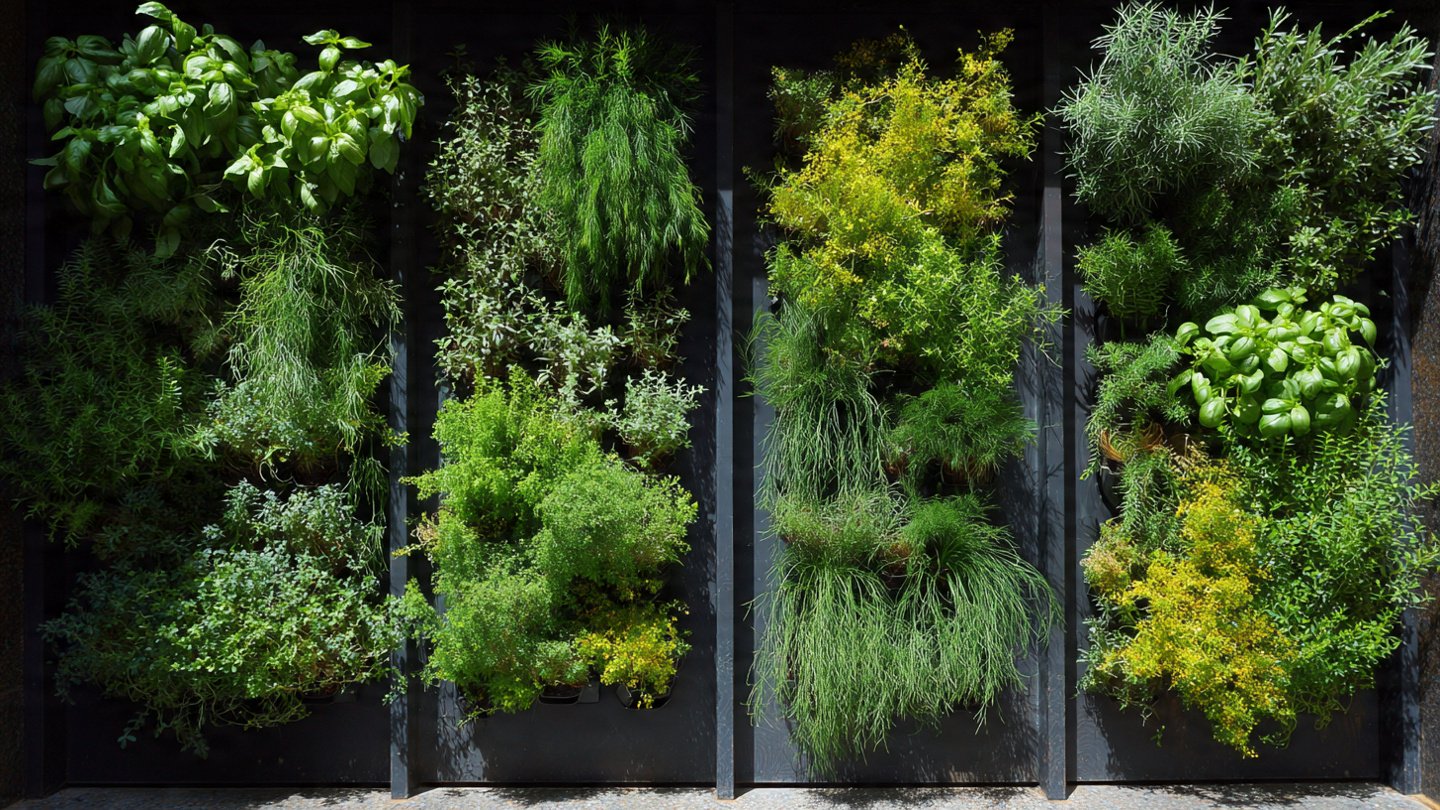
Creating a vertical herb garden on your sunny kitchen door can be a delightful and rewarding project. It provides an efficient way to grow fresh herbs while maximizing space and enhancing your kitchen’s aesthetic. This journey will involve understanding the right materials, design considerations, plant selection, and maintenance tips to ensure your little green oasis thrives.
Begin by assessing your kitchen door’s characteristics. A sunny door is ideal for growing herbs since most herbs flourish in direct sunlight. Ideally, your kitchen door should receive at least six hours of sun daily. Check for any overhanging structures or potential shade from neighboring trees that could obstruct sunlight. If your door has windows or if it’s the main source of light in the space, your plan can effectively use that bright exposure.
Next, consider the layout of your vertical herb garden. Vertical gardens can creatively leverage vertical space, making them perfect for small kitchens. You can design them in various ways: wall-mounted planters, hanging pots, or even using a repurposed shoe organizer. The choice depends on your creativity, the available space, and the aesthetics you wish to achieve.
For the construction of your vertical herb garden, select sturdy materials that are suitable for outdoor use, ensuring they can withstand humidity and moisture. Wooden pallets make a rustic choice; however, they should be treated or sealed to prevent rot. Alternatively, metal containers can offer a sleek, modern touch. Look for pots that have drainage holes to avoid waterlogging, which can lead to root rot.
If you’re feeling crafty, consider building a simple frame or shelving unit. This can be done using wooden boards, secured to the door or the wall adjacent to it. Ensure that your structure is secure and will support the weight of the soil, water, and plants. Installing it at a reachable height will make watering and harvesting a breeze.
When it comes to planting, selecting the right herbs is crucial. Consider herbs you frequently use in cooking, as growing what you love will motivate you to tend to your garden. Popular choices include basil, parsley, chives, thyme, and mint—each bringing unique aromas and flavors to your dishes. It’s also wise to check the growth habits of these herbs. Some, such as mint, can become invasive, so placing them in separate pots can help manage their spread.
Once you’ve gathered your materials and chosen the herbs, it’s time for planting. Start by filling your containers with high-quality potting soil. Look for soil that retains moisture while providing good drainage. When planting, be mindful of the spacing: avoid overcrowding to allow each plant adequate room to grow.
When placing your herbs on the vertical structure, consider their sunlight needs. Taller herbs, like basil, should be positioned at the top, where they can receive the maximum sunlight. Shorter herbs like chives and parsley can be placed lower. This arrangement ensures each plant gets the light it requires without overshadowing its neighbors.
After planting, it’s vital to establish a regular watering routine. Herbs thrive in well-draining soil but still require consistent moisture. Check the top inch of the soil—if it feels dry, it’s time to water. A general rule of thumb is to water in the morning; this practice prevents fungal issues and allows plants to absorb moisture throughout the day. Consider using a spray bottle for smaller plants since it can deliver a gentle mist that replicates natural rainfall.
Fertilization is another element to consider; herb plants may benefit from a diluted liquid fertilizer every month during the growing season. This practice helps replenish nutrients in the soil, ensuring your plants have everything needed to grow robustly. Always follow the instructions on the fertilizer packaging to avoid over-fertilizing.
Pests can sometimes invade your vertical herb garden, so regular monitoring is essential. Look for signs of common herb pests like aphids and spider mites. If you notice any infestations, there are several eco-friendly solutions to consider. A simple spray of water can dislodge many pests, and for tougher cases, a mix of soap and water can be effective. Alternatively, introducing beneficial insects, such as ladybugs, can naturally manage harmful pests.
Pruning is also crucial in maintaining a healthy vertical herb garden. Regularly harvesting leaves encourages fuller growth and prevents the plants from becoming leggy. Be judicious when harvesting; take only what you need. For instance, pinching off the leaves from the top of the basil plant encourages bushier growth and can prevent your plant from bolting, or flowering, which can alter the flavor of the leaves.
Consider the overall design and aesthetics of your herb garden as well. Vertical gardens can be stunning focal points in kitchens, combining functionality with beauty. Consider adding decorative elements like colorful pots, trellises, or even small fairy lights for evening appeal. Such touches can make your herb garden not just a place for cooking herbs but an inviting space that brightens your kitchen’s ambiance.
As the seasons change and the weather varies, be mindful of how these factors influence your garden. If winter knocks on your door and frost threatens your lovely herbs, consider bringing them in. Certain herbs, like basil, might not survive the colder months, while others like rosemary or thyme can persist with proper care. If transitioning indoors, ensure you have adequate sunlight via windows or utilize grow lights to sustain your plants.
Another option to consider is seasonal planting. Some herbs thrive better in the spring and summer, while others can withstand cooler temperatures. This approach ensures that your vertical herb garden stays productive year-round. You might plant fast-growing herbs like cilantro or dill for quick harvests and then transition to heartier options like sage and thyme for the colder months.
Involving the family in your vertical herb garden can make it an enjoyable bonding experience. Teaching children about gardening can foster their interest in nature and healthy eating. Hand them the watering can or let them help with pruning. Discussing the different types of herbs and their culinary uses can spark their creativity and encourage them to explore new dishes.
Sharing the bounty from your vertical herb garden can also be rewarding. Whether gifting herbs to neighbors or using them in meals shared with family or friends, the joy of fresh herbs can elevate the cooking experience. Imagine whipping up a basil pesto or adding fresh chives to a baked potato, all sourced from your kitchen door!
Finally, maintaining a vertical herb garden encourages mindfulness and patience. The process allows you to slow down, observe your plants, and appreciate their growth. This nurturing aspect of gardening can be therapeutic, providing a refreshing break from the hustle of daily life.
As you embark on this venture of creating a vertical herb garden on your sunny kitchen door, remember to enjoy the process. Embrace creativity in your design and relish the connection you’ll foster with nature and fresh cooking ingredients. With a bit of planning, care, and enthusiasm, you’ll cultivate a beautiful and functional herb garden that enhances your culinary adventures and livens up your kitchen space. The journey of growth, both of your herbs and your gardening skills, is filled with joy and discovery, making every sprout and leaf a rewarding experience.