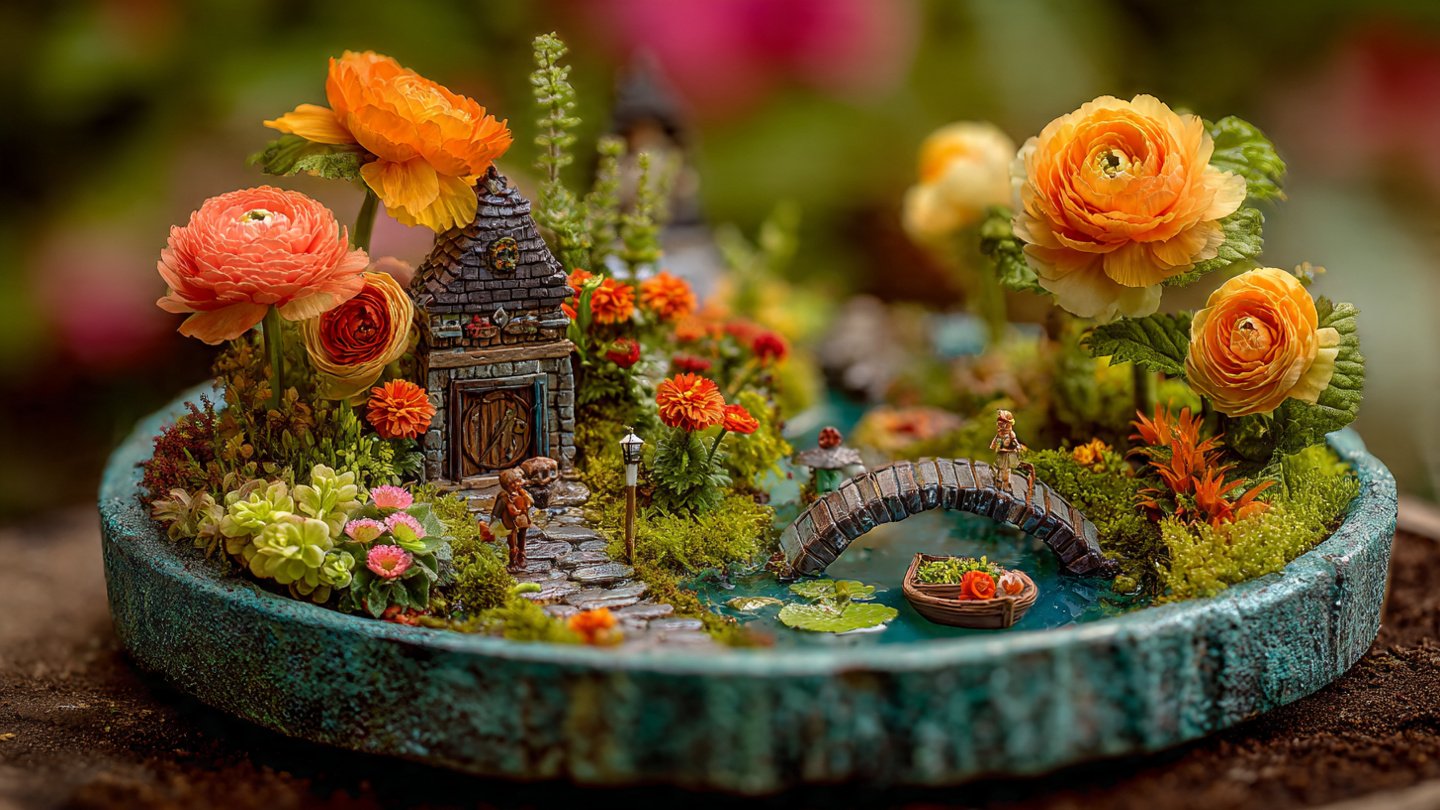
Creating a miniature fairy garden with real flowers is a delightful way to combine gardening with imaginative play. This engaging project can be a unique addition to your home or garden and offers an artistic outlet that can also be therapeutic. In this guide, we’ll discuss the essential steps, materials, and tips to create your own enchanting fairy garden.
What is a Fairy Garden?
A fairy garden is a miniature garden that often includes whimsical items and representations of “fairy” habitats. These gardens allow you to use your creativity to design a magical space where fairies supposedly reside. A fairy garden can be made in various containers, such as pots, wooden boxes, or even directly in the soil.
Materials You Will Need
Before you start your fairy garden, ensure you have the right materials. Here’s a list to help you get organized:
- Container: Choose a pot, wooden box, or a section of your garden.
- Soil: Use high-quality potting soil suitable for your plants.
- Real Flowers: Select small, hardy flowers that will thrive together.
- Decorative Items: Miniature fairy houses, stones, miniature furniture, etc.
- Tools: A small spade or trowel, gloves, and watering can.
Choosing the Right Flowers
The choice of flowers is vital for your fairy garden. Opt for small flowering plants that are manageable and can thrive in your chosen environment. Here are some ideas:
- Miniature Roses: Offer a classic look with delightful fragrances.
- Pansies: Bright and hardy, these come in various colors.
- Sweet Alyssum: Low-growing and fragrant flowers that attract pollinators.
- Dwarf Sunflowers: Bring cheer and brightness to your garden.
- Succulents: If you prefer low maintenance, many small succulents are available.
Consider the growing conditions—sun, shade, and water—when selecting your plants. Matching their needs will help ensure a flourishing garden.
Steps to Create Your Fairy Garden
Step 1: Choose Your Location
Select a spot that receives the appropriate amount of sunlight based on your plant choices. Make sure the area is easily accessible for watering and maintenance.
Step 2: Prepare Your Container
If you’re using a container, ensure it has drainage holes to prevent overwatering. If your container doesn’t have holes, consider adding gravel at the bottom to aid drainage.
Step 3: Add Soil
Fill your container with potting soil, leaving some space at the top. This space will accommodate the flowers and other decorative items without spilling over.
Step 4: Arrange Your Flowers
Before planting, lay out your flowers in the container to visualize the design. This step allows you to experiment with spacing and arrangement. Once satisfied, dig small holes for each plant, ensuring their roots are comfortably buried in the soil.
Step 5: Planting the Flowers
Carefully plant each flower, firming the soil around the roots. Water them gently after planting to help settle the soil. Take care not to overwater, especially if you’re working with small containers.
Step 6: Add Decorative Elements
Now comes the fun part! Add your decorative elements like miniature houses, stones, or furniture to create a whimsical environment. Use your creativity to design a scene that tells a story or reflects your personality.
Step 7: Maintenance
Regular maintenance involves checking your fairy garden for weeds, dead flowers, and proper watering. Remove any dead plant matter promptly to keep your garden tidy and thriving.
Tips for a Successful Fairy Garden
- Seasonal Rotation: Change the flowers seasonally to keep your garden looking vibrant year-round.
- Use Local Plants: Native plants tend to thrive better and require less maintenance.
- Stay Consistent: Regular maintenance leads to long-term enjoyment.
- Personal Touch: Incorporate items like stones or sticks that you find in nature for a personalized touch.
Conclusion
Creating a miniature fairy garden with real flowers is a rewarding project that sparks creativity and fosters a love for gardening. You can enjoy the beauty of nature in a compact space while engaging your imagination. Whether on a patio, in a backyard, or as a delightful indoor display, your fairy garden can become a cherished escape—a magical retreat that you and your family will admire for years to come.
FAQs
1. Can I use artificial flowers in my fairy garden?
Yes, while real flowers can provide a vibrant and lively display, artificial flowers can serve as a great alternative if you want low maintenance. Just ensure they are weather-resistant if placed outdoors.
2. How often should I water my fairy garden?
This depends on the types of plants used, the container, and the local climate. Typically, a fairy garden should be watered when the top inch of soil feels dry to the touch.
3. What is the best time to create a fairy garden?
The best time to start a fairy garden is in the spring or early summer when temperatures are warm, and plants are actively growing.
4. Can children help with creating a fairy garden?
Yes, children can participate in every step of the process! From selecting plants to arranging decorations, it’s a fantastic way to teach them about gardening and responsibility.
5. How do I protect my fairy garden from pests?
Using organic pest solutions like neem oil can be effective, and placing aromatic plants can help deter unwanted insects. Regularly checking for pests is also essential.