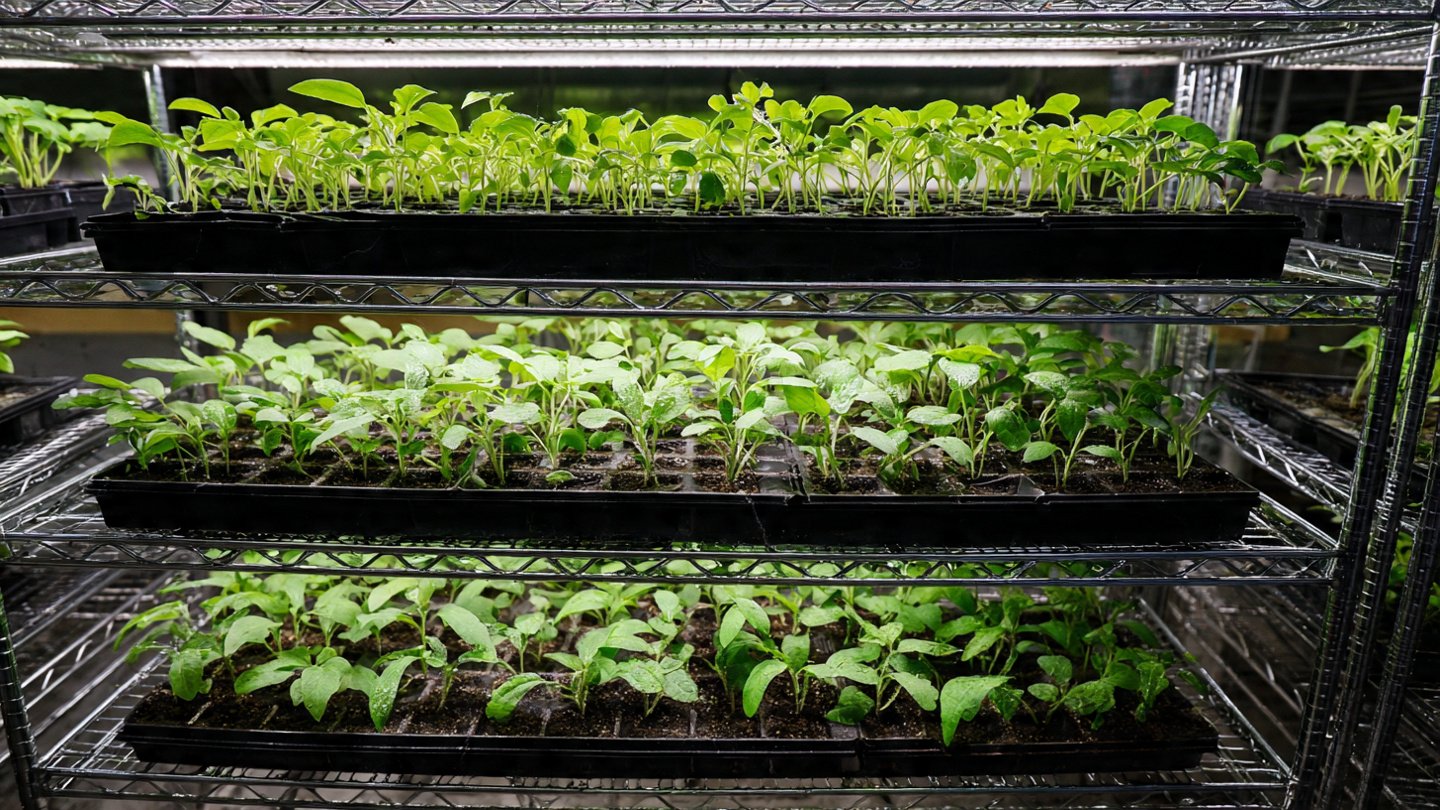
Gardening, particularly the nurturing of seedlings, has seen a significant evolution, especially with the rise of techniques that maximize space and resources. One such method that is becoming increasingly popular among both amateur and professional gardeners is multi-tiered shelving. This innovative approach to seedling management not only optimizes space but also enhances light distribution, improves airflow, and creates an organized system that fosters healthy growth. In this article, we’ll delve into how multi-tiered shelving can transform your seedling growth experience by examining benefits, designs, and practical tips for implementation.
1. Understanding Seedlings and Their Needs
Before exploring the advantages of multi-tiered shelving, it’s essential to understand what seedlings require for optimal growth. A seedling’s primary needs are light, water, nutrients, and space. Here’s a brief overview of these factors:
Light
Seedlings require adequate light to perform photosynthesis, which is critical for their development. Insufficient light can result in tall, spindly plants with weak stems, while too much direct sunlight can scorch delicate leaves.
Water
Maintaining proper moisture levels is crucial for seedlings. Over-watering can lead to root rot, while under-watering can stunt growth.
Nutrients
Seedlings rely on the right balance of nutrients, which can be challenging to manage, especially if you’re starting seeds in a limited space.
Space
Crowded seedlings may compete for light and nutrients, hampering their growth. Adequate spacing helps ensure that each plant can thrive.
2. Advantages of Multi-Tiered Shelving
A. Maximizing Vertical Space
One of the most significant advantages of multi-tiered shelving is its ability to maximize vertical space, which is particularly beneficial for urban gardeners or those with limited gardening areas. By creating additional vertical layers, you can grow more seedlings without requiring more square footage. This isn’t merely about fitting more plants; it’s about creating a more efficient growing environment.
B. Enhanced Light Distribution
Multi-tiered shelving allows you to optimize light exposure for each tier. This can be resolved by using grow lights positioned above each shelf or strategically placing racks near windows. Each tier can be adjusted to ensure that all seedlings receive adequate light for their stage of growth, significantly improving their overall health and productivity.
C. Improved Airflow
Plants need good airflow to prevent diseases like mold and mildew. A multi-tiered system facilitates better air circulation around each seedling. This is critical for preventing common issues, especially in humid conditions, making disease management easier.
D. Organized Space
A multi-tiered shelving unit helps organize your seedling trays and pots systematically. Rather than scattering seedlings around, you can group them based on type, stage of growth, or care requirements. This structured approach also simplifies monitoring and maintenance.
E. Accessibility
With a tiered system, seedlings are more accessible. You can easily reach and care for plants at different heights, making watering, pruning, and inspecting for pests more manageable.
3. Practical Designs for Multi-Tiered Shelving
The implementation of multi-tiered shelving in your gardening setup can vary. Here are some practical designs to consider:
A. DIY Wooden Shelves
Building your own wooden shelves allows you to customize dimensions to your specific needs. You can create as many layers as you require, and the surface can be treated to resist moisture.
B. Metal Shelving Units
Metal shelving units provide durability, ease of cleaning, and often include adjustable shelves. These can be used indoors or outdoors and can support more weight, making them ideal for larger seedlings or heavier pots.
C. Plastic Stacking Shelves
For those looking for a lightweight option, stacking plastic shelves can be a great choice. They usually come with built-in drainage systems and are easy to move around as needed.
D. Shelves with Wheels
Mobile shelving units feature wheels that allow for easy repositioning, making it simple to take advantage of sunlight during the day and moving them indoors at night or during unfavorable weather.
4. Setting Up Your Multi-Tiered Shelving
A. Lighting
Selecting the right grow lights is crucial for tiered systems. Position the lights to illuminate multiple tiers. LED lights offer a great option—they produce less heat, last longer, and consume less energy while providing the right spectrum of light for plant growth.
B. Trays and Containers
Use shallow trays for seedlings, allowing for easy access and maximizing space. Ensure that containers have drainage holes to prevent water accumulation. Consider using seedling flats or biodegradable pots that can be planted directly in the ground.
C. Temperature and Humidity Control
Maintain optimal temperature and humidity levels within your shelving unit. Seedlings generally thrive at temperatures between 65°F to 75°F (18°C – 24°C). You can use humidity domes to maintain moisture, especially in the early stages of seedling growth.
D. Regular Monitoring
A multi-tiered shelving setup requires regular monitoring. Check each tier for water, pests, and overall plant health. Rotate the positioning of trays to ensure even growth, especially if light exposure varies across different tiers.
5. Challenges and Solutions
While multi-tiered shelving offers numerous advantages, it also comes with challenges. Understanding these and knowing how to tackle them will enhance your gardening experience.
A. Overcrowding
Be cautious of overcrowding. Ensure proper spacing between trays and pots, allowing for adequate light and airflow. If seedlings grow too large for their space, consider transplanting them to larger pots.
B. Light Intensity
Seedlings at the top tiers may receive more light than those at the bottom. Adjust the heights of your tiers or use reflectors to help equally distribute light across all levels.
C. Watering
Watering can become complex with multiple layers. Consider using a drip irrigation system for efficiency or be diligent in checking moisture levels across different tiers to prevent inconsistencies.
6. Conclusion
Multi-tiered shelving can significantly enhance the seedling growth experience, making it easier and more efficient. By maximizing space, improving light distribution, enhancing airflow, and providing organized access to seedlings, gardeners can enjoy better yields and healthier plants. With thoughtful implementation and regular care, this system is not just a trend but a transformative approach to nurturing plants, suitable for both novice gardeners and seasoned horticulturists alike. Embrace this innovative solution and watch your gardening experience flourish as you cultivate an abundance of healthy seedlings.
Ultimately, the multi-tiered shelving system marries practicality and creativity, turning your gardening space into a thriving ecosystem for growth, learning, and nourishment.