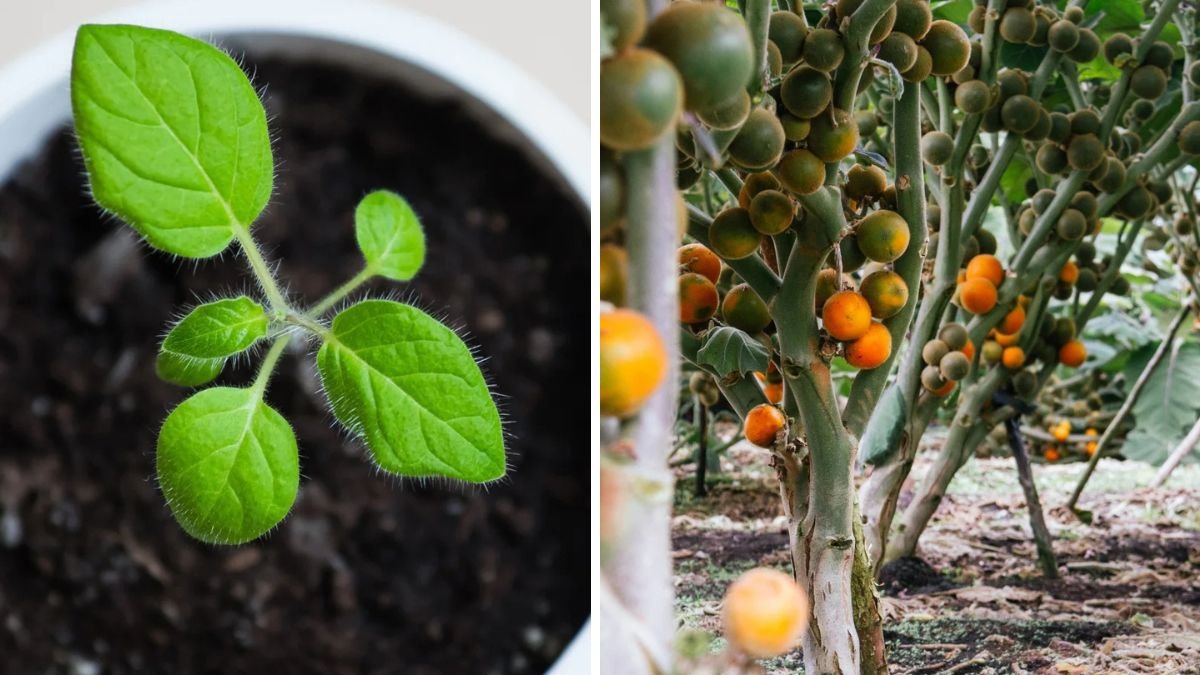
1. Introduction to Lulo (Naranjilla)
Lulo, also known as naranjilla, is a tropical fruit native to South America. It is valued for its bright citrus flavor and refreshing juice. The plant grows as a shrub rather than a tall tree. Home gardeners are increasingly interested in growing lulo. It thrives in warm, humid environments. With proper care, it can be grown at home successfully. This guide explains every step clearly. Beginners can follow it easily.
2. Understanding the Lulo Plant
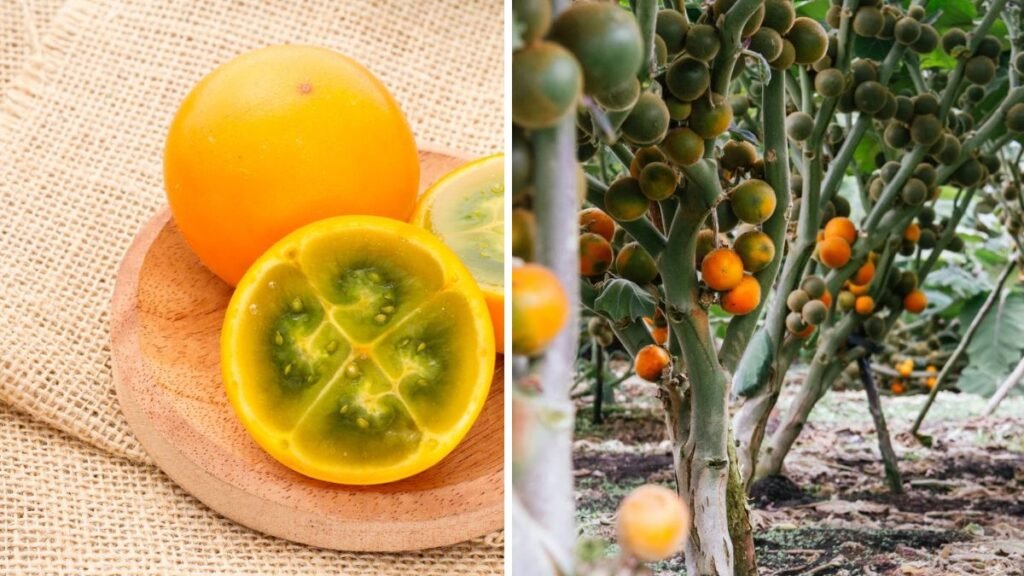
The lulo plant has large, soft leaves with spines. It grows quickly under favorable conditions. The plant usually reaches medium height. Its stems are delicate but productive. Flowers develop into round orange fruits. Lulo plants are short lived but heavy producers. Understanding growth habits improves care. Proper support helps prevent damage.
3. Ideal Climate for Growing Lulo
Lulo prefers tropical and subtropical climates. It grows best in warm temperatures with moderate humidity. Cold temperatures slow growth significantly. Frost damages leaves and flowers. Shade from intense sun is beneficial. Wind protection is important for leaf safety. Stable climate conditions improve fruiting. Temperature consistency is essential.
4. Growing Lulo in Containers
Lulo can be grown in large containers at home. Containers allow climate control in cooler regions. Choose deep pots with drainage holes. Container growing prevents root rot. Mobility allows protection from extreme weather. Pot size affects fruit yield. Container soil must stay fertile. This method suits balconies and patios.
5. Soil Requirements
Lulo prefers loose, fertile soil rich in organic matter. Well draining soil is essential. Heavy clay soils must be amended. Slightly acidic soil improves nutrient absorption. Compost improves soil texture. Good soil prevents root disease. Healthy soil supports vigorous growth. Soil quality affects fruit flavor.
6. Planting Lulo from Seed
Seeds should be extracted from ripe fruit. Clean and dry seeds before planting. Sow seeds shallowly in moist soil. Germination occurs within weeks. Warm temperatures speed sprouting. Seedlings need gentle care initially. Transplant carefully to avoid root damage. Seed growing is rewarding.
7. Sunlight Requirements
Lulo prefers partial shade rather than full sun. Direct harsh sunlight can scorch leaves. Morning sun with afternoon shade is ideal. Filtered light supports healthy growth. Indoor growers need bright indirect light. Light balance encourages flowering. Excess sun stresses the plant. Correct placement matters.
8. Watering Schedule
Lulo requires consistent moisture. Dry soil stresses the plant. Overwatering causes root rot. Water deeply but allow drainage. Mulching helps retain moisture. Container plants dry faster. Adjust watering based on climate. Balanced moisture supports fruit development.
9. Fertilizing Lulo Plants
Lulo plants are heavy feeders. Organic compost improves growth naturally. Balanced fertilizer supports flowering. Excess nitrogen increases leaves but reduces fruit. Potassium improves fruit quality. Feed during active growth stages. Regular feeding improves yield. Nutrition is critical.
10. Flowering Stage
Lulo flowers resemble large potato flowers. Blooms appear after healthy vegetative growth. Flowers are pale purple and striking. Pollination occurs naturally in open areas. Indoor plants may need hand pollination. Flower health determines fruit success. Proper care encourages blooms. Flowering signals maturity.
11. Pollination and Fruit Set
Bees and insects pollinate lulo flowers. Cross pollination improves fruit size. Lack of pollinators reduces yield. Hand pollination can help indoors. Flowers must remain healthy. Temperature affects pollination success. Good airflow helps pollination. Fruit set follows successful pollination.
12. Fruit Development
After pollination, fruits develop steadily. Fruit growth takes several weeks. Adequate water supports development. Nutrient deficiencies affect size. Fruits change color as they mature. Patience is required. Proper care improves sweetness. Fruit development is gradual.
13. Pruning and Plant Support
Lulo plants benefit from light pruning. Remove damaged or crowded branches. Pruning improves airflow. Support stakes prevent stem breakage. Heavy fruit clusters need support. Proper structure improves yield. Avoid excessive pruning. Gentle shaping works best.
14. Pest Problems
Lulo plants may attract aphids and mites. Regular inspection prevents infestations. Neem oil works effectively. Healthy plants resist pests better. Avoid chemical sprays during flowering. Pests reduce fruit quality. Early control prevents spread. Monitoring is important.
15. Disease Prevention
Fungal diseases occur in wet conditions. Good drainage prevents root rot. Avoid overhead watering. Remove infected leaves promptly. Clean tools reduce disease spread. Healthy soil boosts resistance. Disease prevention saves plants. Hygiene matters greatly.
16. Harvesting Lulo Fruit
Harvest fruits when fully orange. Ripe fruit softens slightly. Use pruning shears to cut fruit. Avoid pulling branches. Handle fruit gently. Ripe lulo has best flavor. Harvest timing affects taste. Fresh fruit is fragile.
17. Post Harvest Handling
Wash fruit gently after harvest. Remove damaged fruits. Store briefly in cool conditions. Lulo is best consumed fresh. Processing into juice extends usability. Proper handling preserves flavor. Shelf life is short. Home use is ideal.
18. Expected Yield at Home
Healthy lulo plants produce many fruits. Yield depends on care and climate. Container plants yield slightly less. Proper feeding increases production. Mature plants fruit heavily. Yield improves with experience. One plant can be productive. Results are rewarding.
19. Benefits of Growing Lulo
Lulo offers unique tropical flavor. Homegrown fruit is chemical free. Plants add exotic beauty. Gardening experience expands. Fruits are nutritious and refreshing. Growing lulo saves money. Home cultivation ensures freshness. Benefits are significant.
20. Conclusion
Growing lulo at home is achievable with proper care. Understanding climate and soil is essential. Consistent watering and feeding improve success. Flowering leads to rewarding harvests. Beginners can grow lulo confidently. This tropical plant adds value to gardens. With patience, success follows. Lulo is worth growing.
📊 Table: Lulo Growing Requirements Summary
| Aspect | Ideal Condition | Benefit |
|---|---|---|
| Light | Partial shade | Healthy growth |
| Soil | Well draining | Root health |
| Water | Consistent moisture | Fruit development |
| Feeding | Balanced nutrition | Higher yield |