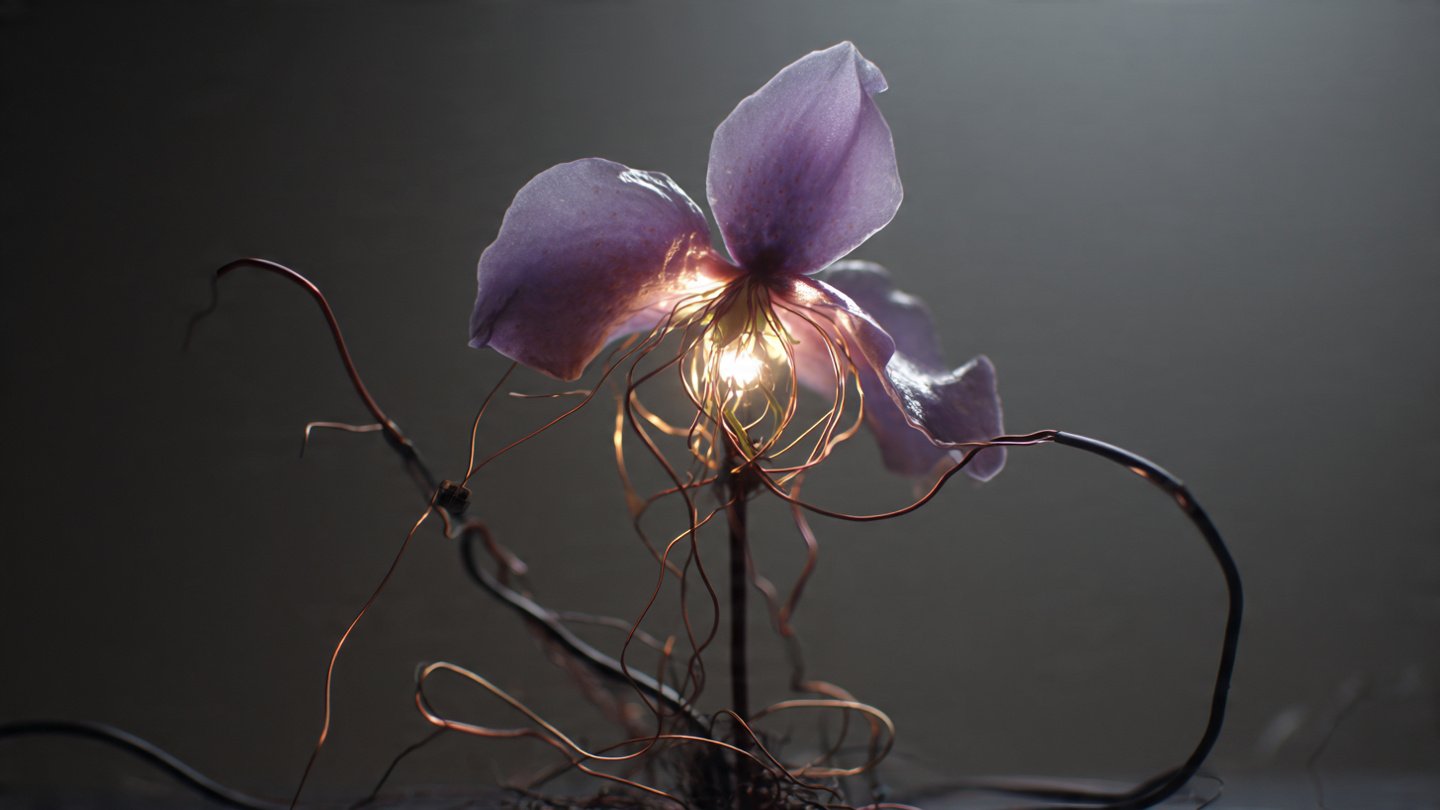
For centuries, gardeners and farmers have employed various techniques to optimize plant growth. Recently, however, the link between electricity and plant growth has garnered attention, giving rise to innovative methods that can accelerate flower growth in remarkable ways. Understanding the science behind electricity’s impact on plants can lead to unexpected enhancements in our gardening and agricultural practices.
The Science Behind Electricity and Plant Growth
Plants are living organisms that respond to their environment. One factor often overlooked is the role of electrical signals in plant cells. Electricity affects key physiological processes, including nutrient uptake, enzyme activity, and photosynthesis. These processes, in turn, influence how quickly and robustly flowers can grow.
- Cellular Communication: Plants utilize electrical signals for communication between cells. This signaling can trigger responses such as growth or defense mechanisms.
- Ion Transportation: Electric fields can enhance the movement of ions across cell membranes, facilitating nutrient uptake essential for flower development.
- Photosynthesis Efficiency: Research indicates that electrical stimulation can enhance chlorophyll production, promoting better photosynthesis and energy availability for flower growth.
Methods of Applying Electricity in Gardening
Several methods exist for applying electricity to enhance flower growth. Each method varies in complexity and required equipment but aims to optimize the electrical stimulation of plants.
1. Electroculture
Electroculture is a method that employs electric fields to stimulate plant growth. This technique can be carried out using simple or advanced setups, like burying copper or metal rods in the soil and applying a low-voltage current. The process alters the electromagnetic field around the plants, promoting cellular activity and enhancing growth rates.
2. Electrical Resistance Heating
This technique involves using electricity to generate heat at the root level. By applying controlled voltage to the soil, gardeners can maintain optimal soil temperatures. This can help promote root development and lead to quicker flower emergence.
3. Electrostatic Fields
Applying electrostatic fields from a distance can influence plant growth. Devices that emit static electricity can create charged particles in the air, which may enhance nutrient absorption and metabolic responses in plants. This method requires little direct contact with the plants and can be easily integrated into existing gardening systems.
4. Ionization Techniques
Ionization methods use electrical currents to create ions in the soil, enhancing its properties. Charged ions can improve water retention and nutrient availability, which are critical for healthy plant growth. Ionization can ultimately accelerate the growth cycle of flowers.
The Unexpected Benefits of Electrical Stimulation
The unexpected benefits of applying electricity to flower growth extend beyond mere acceleration. Recent studies suggest that electrical stimulation can improve flowers’ overall health, resilience, and vibrancy.
- Enhanced Vibrancy: Flowers treated with electrical stimulation often exhibit more vibrant colors. This is largely due to increased chlorophyll and other pigments, which enhance visual appeal.
- Increased Resilience: Electrically stimulated plants can exhibit improved resistance to pests and diseases. The heightened cellular communication fortifies the plant’s defenses against pathogens, creating a more robust floral display.
- Higher Yields: For commercial growers, electrically aided flower growth can significantly enhance yields. Flowers may bloom earlier and in greater abundance, leading to improved profitability.
Challenges and Considerations
While the benefits of electrically stimulating flower growth are compelling, there are challenges and precautions to consider.
- Overstimulation: Excessive electricity can cause detrimental effects. It’s crucial to monitor voltage and duration to avoid harm.
- Equipment Costs: The initial setup for electrical stimulation methods may involve costs that not all gardeners are prepared to incur.
- Knowledge Requirement: Understanding the specific electrical requirements for different plants can be complex and requires research and experimentation.
The Future of Electrical Plant Growth
The intersection of technology and agriculture is advancing rapidly. As research into the relationship between electricity and plant growth evolves, we may see even more innovative applications. Potential future developments include:
- Smart Gardening Systems: Integrating sensors and automated electrical systems could provide real-time data on plant needs and optimize growth conditions.
- Precision Agriculture: Larger agricultural operations may adopt commercial electrical systems to boost crop productivity and sustainability, factoring electrical stimulation into their overall strategy.
Conclusion
Electricity presents itself as a fascinating tool in the realm of horticulture and agriculture. The potential for accelerated flower growth through electrical stimulation offers a promising avenue for florists, gardeners, and farmers alike. By employing methods like electroculture, electrical resistance heating, and ionization techniques, we can harness the benefits of electrical stimulation to enhance the vibrancy, resilience, and yield of flowers.
As research continues and innovative technologies emerge, the gardening community stands on the brink of a botanical revolution, where understanding and applying electricity could lead to greener, more vibrant landscapes than ever before.
FAQs
1. Can any type of plant benefit from electrical stimulation?
Yes, various plants can benefit from electrical stimulation, but results may vary depending on the species. Research is ongoing to understand which plants experience the most significant benefits.
2. Is it safe to use electricity around plants?
When applied correctly, electrical stimulation is safe. However, monitoring voltage levels and the duration of application is essential to avoid potential harm.
3. How soon can I expect to see results from electrical stimulation?
Results may vary, but some gardeners report noticing accelerated growth and improved flower health within weeks of application.
4. Do I need special equipment for electroculture?
While some systems can be complex, basic electroculture setups can be created using simple materials like copper wires or metal rods.
5. Are there any downsides to using electrical stimulation?
Potential downsides include overstimulation and initial setup costs. It’s essential to approach electrical applications with care and knowledge.