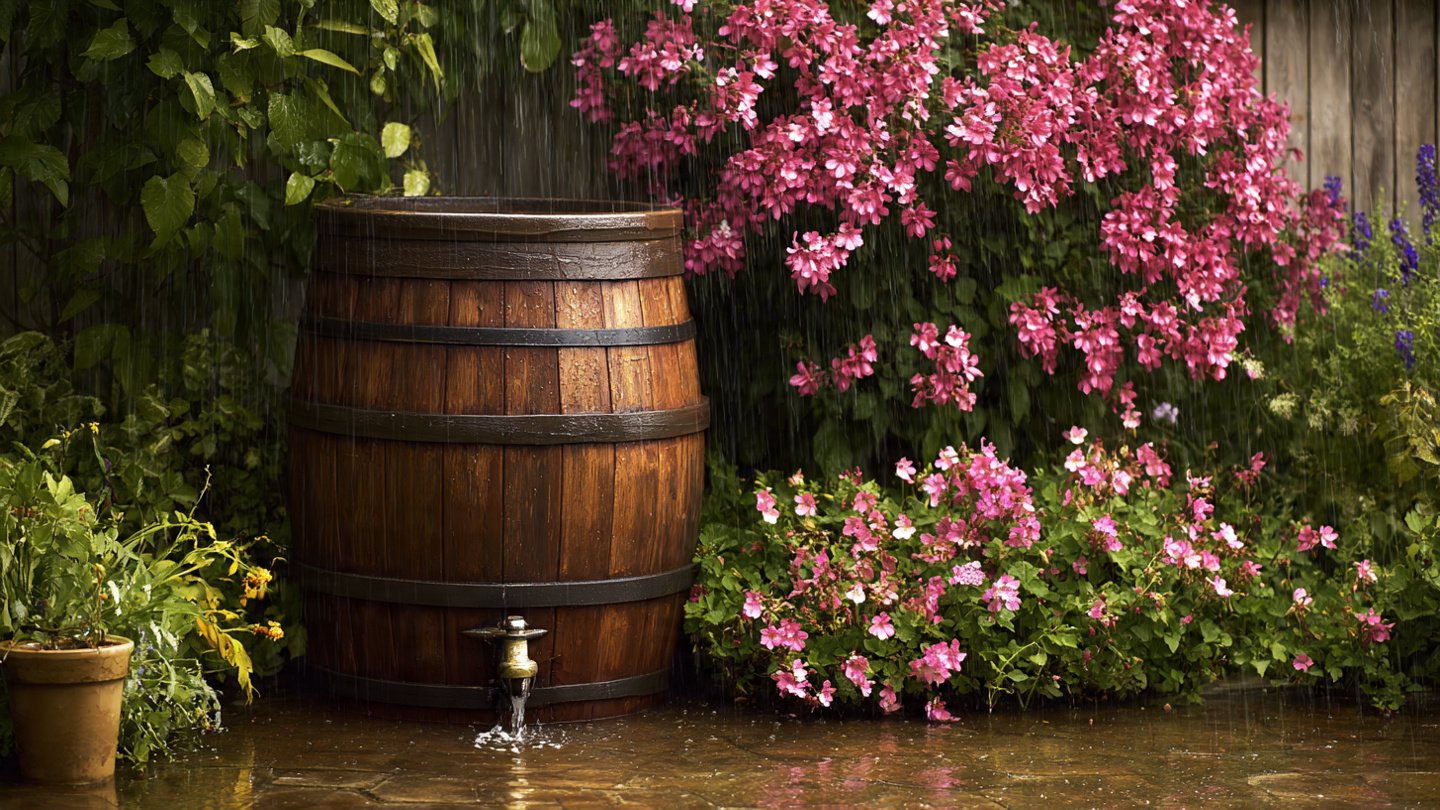
How a Rain Barrel Can Transform Your Garden Beyond Just Saving Money
Rain barrels are becoming increasingly popular among homeowners and garden enthusiasts, not merely for their ability to conserve water and reduce utility costs, but also for the myriad benefits they offer to gardens. Installing a rain barrel is an investment that extends well beyond financial savings; it has profound implications for the health of your plants, the sustainability of your gardening practices, and the overall environment. In this article, we will explore the various ways a rain barrel can transform your garden, enhancing its vitality, promoting ecological responsibility, and providing you with invaluable knowledge for a thriving green space.
Understanding the Basics of Rain Barrels
Before delving into their transformative benefits, it is crucial to understand what rain barrels are. Typically made of plastic or wood, a rain barrel collects rainwater that drains from roofs through gutters. The collected water is stored and can be used later for irrigation, landscaping, and other outdoor water needs. This simple system operates on the principle of conservation, allowing gardeners to harness nature’s resources.
1. Water Conservation: More Than Just Savings
While the most apparent benefit of a rain barrel is water conservation, the impact is far-reaching. On average, a single rain barrel can save thousands of gallons of water over the course of a year. This isn’t just about saving money on your water bill; it helps mitigate the strain on public utilities, especially during dry spells or droughts. As climate change leads to more extreme weather conditions, the ability to collect and utilize rainfall becomes increasingly important.
Moreover, using rainwater for irrigation means you’re conserving treated tap water, which is often infused with chemicals to ensure its safety for human consumption. Rainwater is naturally soft and free of such additives, providing your plants with a more balanced nutrient supply. Utilizing this natural resource can drastically improve the quality of your garden.
2. Promoting Sustainability
In today’s world, sustainable practices are essential for maintaining healthy ecosystems. By employing a rain barrel, you are actively participating in environmentally friendly practices. Collecting rainwater reduces stormwater runoff, which can carry pollutants into local rivers and lakes. Excess stormwater can lead to soil erosion, flooding, and habitat destruction.
Using rainwater also serves to lower your garden’s carbon footprint. Since you are less reliant on municipal water systems, you significantly reduce energy use associated with water treatment and distribution. Incorporating a rain barrel into your gardening practices not only benefits your immediate garden but contributes positively to the larger environmental context.
3. Enhancing Plant Health
Plants thrive on natural rainwater. The absence of chemicals typically found in municipal water signifies a healthier option for your gardens. Rainwater is often more beneficial because it enables better absorption of nutrients in the soil. Moreover, it has a lower temperature than tap water, which is crucial during hot days or in warmer climates. Watering plants with cool rainwater helps to prevent stress and can result in more vigorous plant growth.
Rain barrels also provide a readily accessible water source during drier months. This can become crucial in maintaining your garden, allowing for consistent irrigation without the worry of increasing water bills. The ability to water deeply and consistently encourages deeper root systems, making your plants more resilient.
4. Encouraging Biodiversity
Biodiversity is essential for any flourishing ecosystem. A rain barrel can contribute to this by providing a source of natural water that attracts various forms of wildlife. Birds, beneficial insects, and other pollinators are drawn to gardens that offer ample water options. By ensuring that your garden remains vibrant and accessible during different seasons, you create a sanctuary for beneficial creatures that enhance plant health and boost pollination.
Moreover, the water collected in rain barrels can be infused with organic materials, such as leaves or grass clippings, leading to the creation of a nutrient-rich compost tea when diluted and used for watering. This boosts soil health and its ability to support diverse plant types.
5. Strengthening Community Connections
Using rain barrels can lead to greater community awareness and activism concerning water resource management. By sharing the knowledge you’ve gained about rainwater harvesting, you encourage neighbors and friends to consider making similar investments. Hosting workshops or community discussions about sustainable gardening practices can foster a sense of community while promoting ecological awareness.
Encouraging collective practices can lead to wider adoption of eco-friendly methods, which may result in community gardens or localized efforts to enhance biodiversity in neighborhoods. Such initiatives not only boost plant health but also enrich community ties and promote a collective sense of responsibility.
6. Educational Opportunities
Creating a rainwater harvesting system in your garden can serve as an educational tool for children and adults alike. It provides a hands-on lesson in environmental science that demonstrates the important relationship between water conservation, plants, and ecosystems. Engaging children in gardening activities related to rain barrels—such as observing the rain cycle or discussing why certain plants thrive better with natural water—can instill a sense of stewardship for the environment.
Moreover, monitoring the rain barrel allows for practical learning on how much water is collected and how it impacts garden health over time. This not only cultivates responsible gardening practices but can ignite a lifelong passion for ecology and sustainability.
7. Improving Soil Quality
Using rainwater can also enhance soil quality over time. Rainwater is often packed with oxygen and necessary nutrients due to its natural filtration as it travels through the atmosphere. When you water your garden with this enriched water, it promotes healthier, more biologically active soil. This plays a significant role in soil fertility and structure, as improved soil health leads to better water retention, increased nutrient availability, and improved microbial activity.
Soil that is regularly watered with rainwater can also resist compaction better than soil watered solely with tap water, allowing roots to grow deeper and healthier.
8. Cost-Effectiveness and Long-Term Benefits
While the initial investment in a rain barrel, including installation and maintenance, might seem significant, the long-term savings will more than compensate for the initial expense. Not only do rain barrels pay off in water bill reductions, but they also extend the life of your irrigation systems, which can often fail or require costly maintenance when overused.
Furthermore, the benefits to soil health and plant vitality can decrease the need for expensive fertilizers and pesticides, ultimately resulting in both cost savings and a healthier garden environment.
Conclusion
Rain barrels are incredible ecological tools that offer benefits far beyond mere financial savings. By collecting rainwater, gardeners can promote sustainability, enhance plant health, increase biodiversity, and educate themselves and those around them. As community awareness benefits from individual efforts, we can all contribute to a healthier planet and a more sustainable future.
Whether you’re a seasoned gardener or a novice, a rain barrel can not only transform your garden but can foster a deeper connection with the environment. By investing in this simple, effective system, you are not just harvesting rainwater but also cultivating a greener, healthier world.